

Saudi Arabia leads Mideast hotel construction activity: STR data  

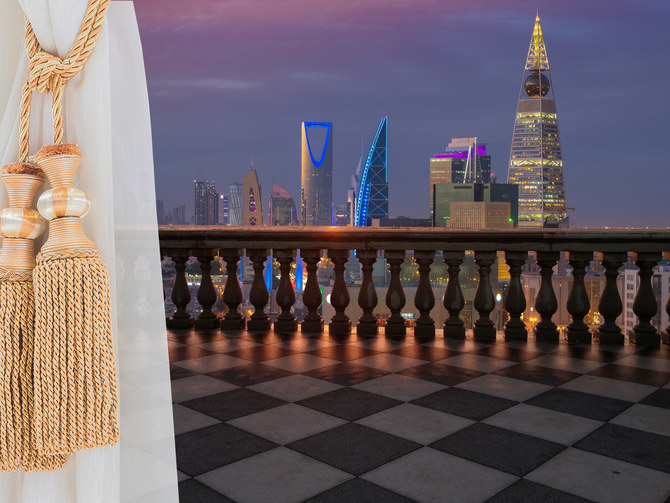
With 42,033 hotel rooms, the Kingdom accounts for 35.1 percent of 119,505 total keys under construction in the region. (Shutterstock)
Short Url
Updated 24 April 2023
Follow

Saudi Arabia leads Mideast hotel construction activity: STR data  

RIYADH: Saudi Arabia leads the Middle East and Africa’s hotel construction activity with over 40,000 rooms under construction as of March, the latest data from hotel industry monitoring firm STR showed. 

With 42,033 hotel rooms, the Kingdom accounts for 35.1 percent of 119,505 total keys under construction in the region.  

That places Saudi Arabia only after China and the US — which currently have 299,458 rooms and 154,284 rooms under construction respectively — making it one of the biggest hotel construction markets in the world despite a global slowdown. 

The report indicated that the Middle East and Africa was the only region to have an increase in total rooms under contract by 6.4 percent to 249,150 in March 2023 compared to the same period last year.  

The region has 84,116 rooms in planning and 45,529 rooms in the final planning stages. 

The UAE also played a role in the region’s hotel sector growth, with 22,325 rooms under construction, accounting for 18.6 percent of the total number.  

The Kingdom has the third-highest number of rooms under construction in the world surpassing Europe’s leaders Germany and the UK.  

This comes as the Kingdom’s hospitality sector is witnessing steady growth in key performance indicators. For instance, Riyadh’s hotel occupancy rate hit 75.5 percent in February, the highest figure since 2008, according to data released by STR last month.  

Compared to 2019, the occupancy in February jumped 23.4 percent, the average daily rate rose 34 percent to SR801.46 ($213.46), and the revenue per available room increased 65.3 percent to SR605.06.  

In Abu Dhabi, the occupancy rate reached 75 percent in February with an ADR of $155 and RevPAR at $116, according to JLL.  

Saudi Arabia’s hospitality sector is witnessing rapid growth as the Kingdom plans to become a regional and global hotspot for all segments.  

Under Vision 2030, the Kingdom’s market is expected to have 310,000 hotel rooms by 2030 with an investment size of $110 billion, Knight Frank data indicated.  

Additionally, Saudi Arabia’s hotel segment is projected to generate $2.51 billion in revenue this year and is expected to reach $3.02 billion by 2027, according to Statista.  


Saudi stock market opens its doors to foreign investors

Updated 06 January 2026
Follow

Saudi stock market opens its doors to foreign investors

RIYADH: Foreigners will be able to invest directly in Saudi Arabia’s stock market from Feb. 1, the Kingdom’s Capital Market Authority has announced.

The CMA’s board has approved a regulatory change which will mean the capital market, across all its segments, will be accessible to investors from around the world for direct participation.

According to a statement, the approved amendments aim to expand and diversify the base of those permitted to invest in the Main Market, thereby supporting investment inflows and enhancing market liquidity.

International investors' ownership in the capital market exceeded SR590 billion ($157.32 billion) by the end of the third quarter of 2025, while international investments in the main market reached approximately SR519 billion during the same period — an annual rise of 4 percent.

“The approved amendments eliminated the concept of the Qualified Foreign Investor in the Main Market, thereby allowing all categories of foreign investors to access the market without the need to meet qualification requirements,” said the CMA, adding: “It also eliminated the regulatory framework governing swap agreements, which were used as an option to enable non-resident foreign investors to obtain economic benefits only from listed securities, and the allowance of direct investment in shares listed on the Main Market.”

In July, the CMA approved measures to simplify the procedures for opening and operating investment accounts for certain categories of investors. These included natural foreign investors residing in one of the Gulf Cooperation Council countries, as well as those who had previously resided in the Kingdom or in any GCC country. 

This step represented an interim phase leading up to the decision announced today, with the aim of increasing confidence among participants in the Main Market and supporting the local economy.

Saudi Arabia, which ‌is more than halfway ‍through an economic plan ‍to reduce its dependence on oil, ‍has been trying to attract foreign investors, including by establishing exchange-traded funds with Asian partners in Japan and Hong Kong.