


RIYADH: Children from the Najd region of Saudi Arabia are preparing to celebrate the tradition of Al-Hawwamah, where they walk from door to door wearing new clothes.
The ritual takes place before or during Eid Al-Fitr, depending on family heritage, and is a popular custom in many parts of the Riyadh region. Children donned in their best garments stroll around their neighborhood chanting a traditional tune.
Prior to the celebration, families prepare by shopping for groceries, decorations, and festive clothes. Young boys wear the traditional thobe, and girls a black head covering embellished in gold design.
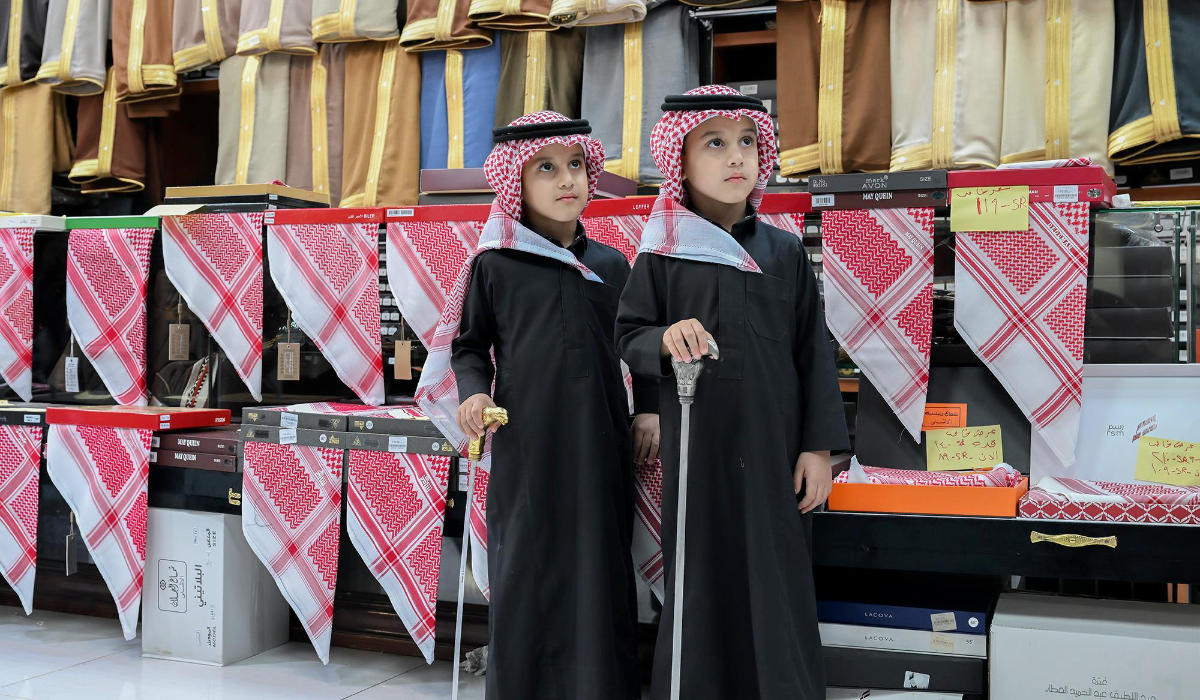
Boys wear traditional thobes. (SPA)
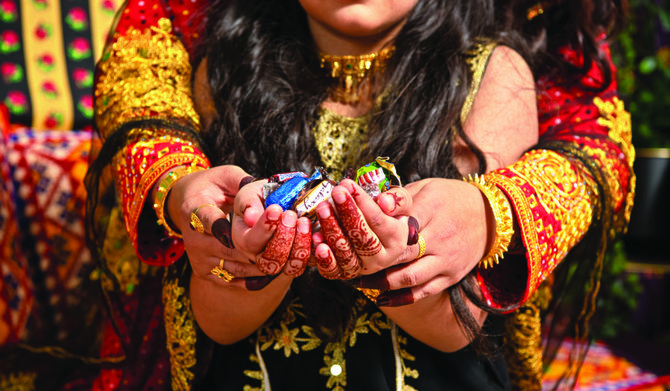
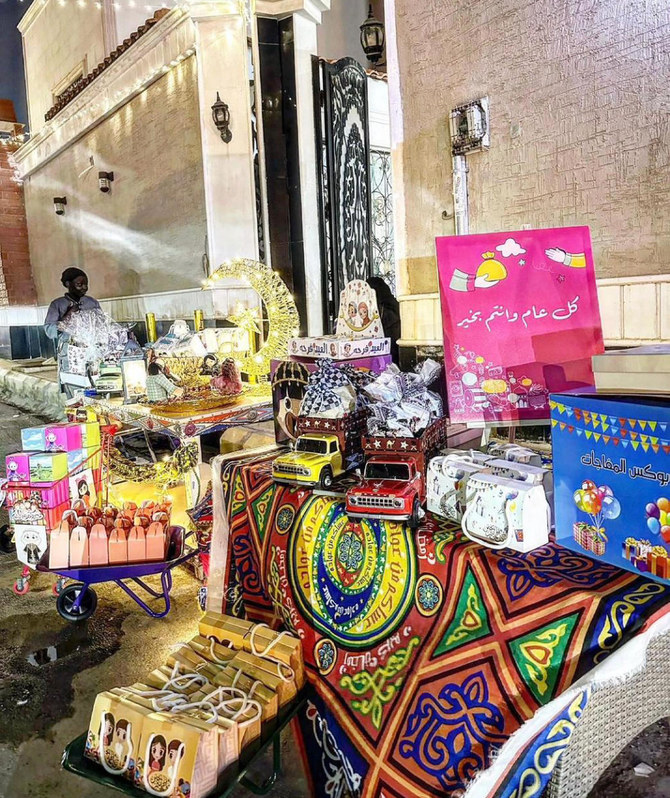
Families also prepare Eid gifts for visitors, such as candy, chickpeas, sugared almonds, and sometimes money.
Gifting money is usually distributed among relatives to younger children to save or spend on more Eid goodies.
Tarfah Abdullah Alhmoudi, celebrated the tradition in her childhood, 60 years ago.
Al-Hawwamah is one of the ancient inherited customs and traditions celebrated on the day of Eid. Children of the neighborhood gather with each other on the day of Eid, and they are overwhelmed with joy.
Fatimah Alodhaib, Teacher
She said: “My favorite part of Al-Hawwamah was wearing brand new clothes, and we would go around the entire neighborhood chanting the song, ‘I want my fruitful Eid gift, may you have many happy returns of this day, and may you always be healthy and wealthy, may poverty not break your legs or arms.’”
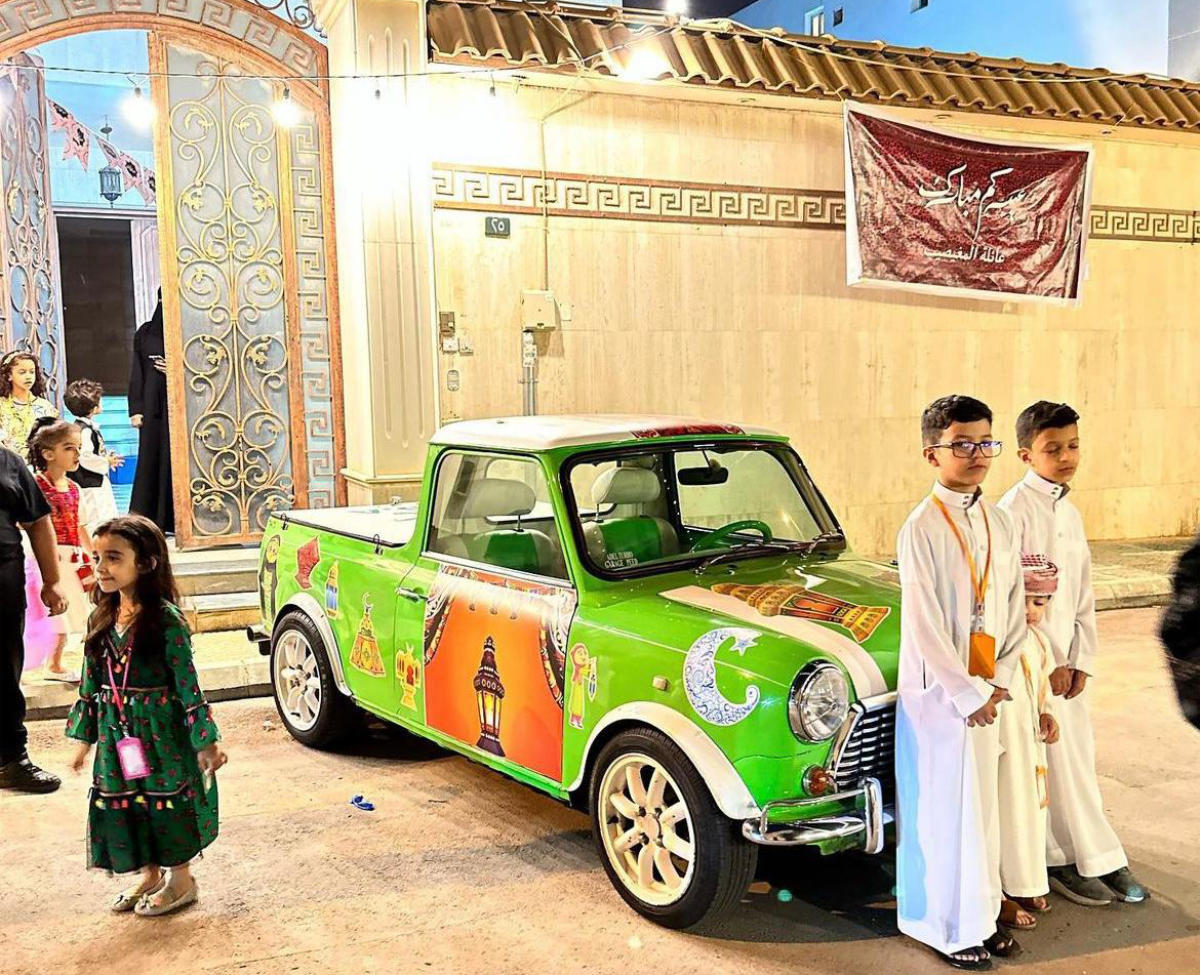
Al-Hawwamah takes place before or during Eid Al-Fitr depending on the family heritage and tradition. It is a popular custom celebrated by the neighborhood in many regions of Riyadh. Children wearing new garments will stroll around their neighborhood chanting a traditional tune. (Supplied)
But she noted that modern-day celebrations were very different.
“I preferred the tradition back then. The difference now is that everything comes all ready and packed up, whereas then it was not like that. We were happy with the old distributions that they gave us, like candied almonds, fudge, and chickpeas. We didn’t have sweets or chocolate like they do today.
“With everything we were given, we were so happy. The goodies would last with us for two weeks too.
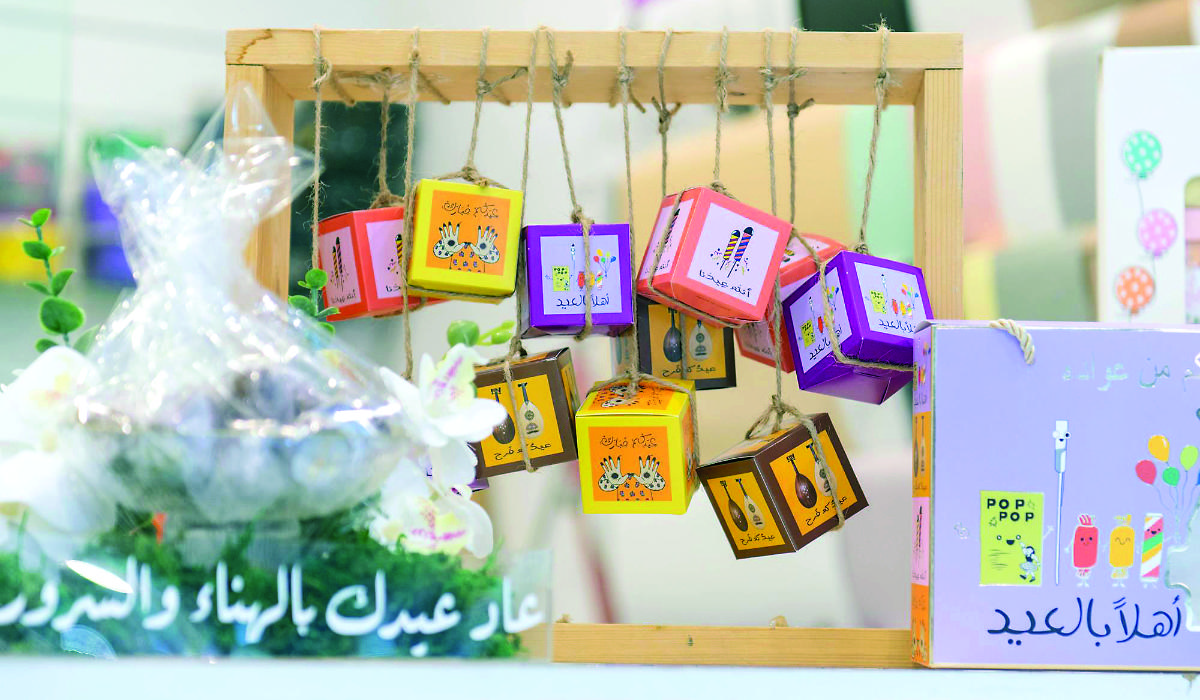
Families prepare all sorts of Eid gifts for visitors such as: candy, Al-Qareedh (chickpeas), sugared almonds, and sometimes money. (Supplied)
“The celebration used to start in the top of the morning where kids would knock on neighbors’ doors,” she added.
However, children still rejoice with happy tunes and smiles that brighten the streets and create a modern version of a classic celebration.
Teacher, Fatimah Alodhaib, said: “Al-Hawwamah is one of the ancient inherited customs and traditions celebrated on the day of Eid. Children of the neighborhood gather with each other on the day of Eid, and they are overwhelmed with joy.
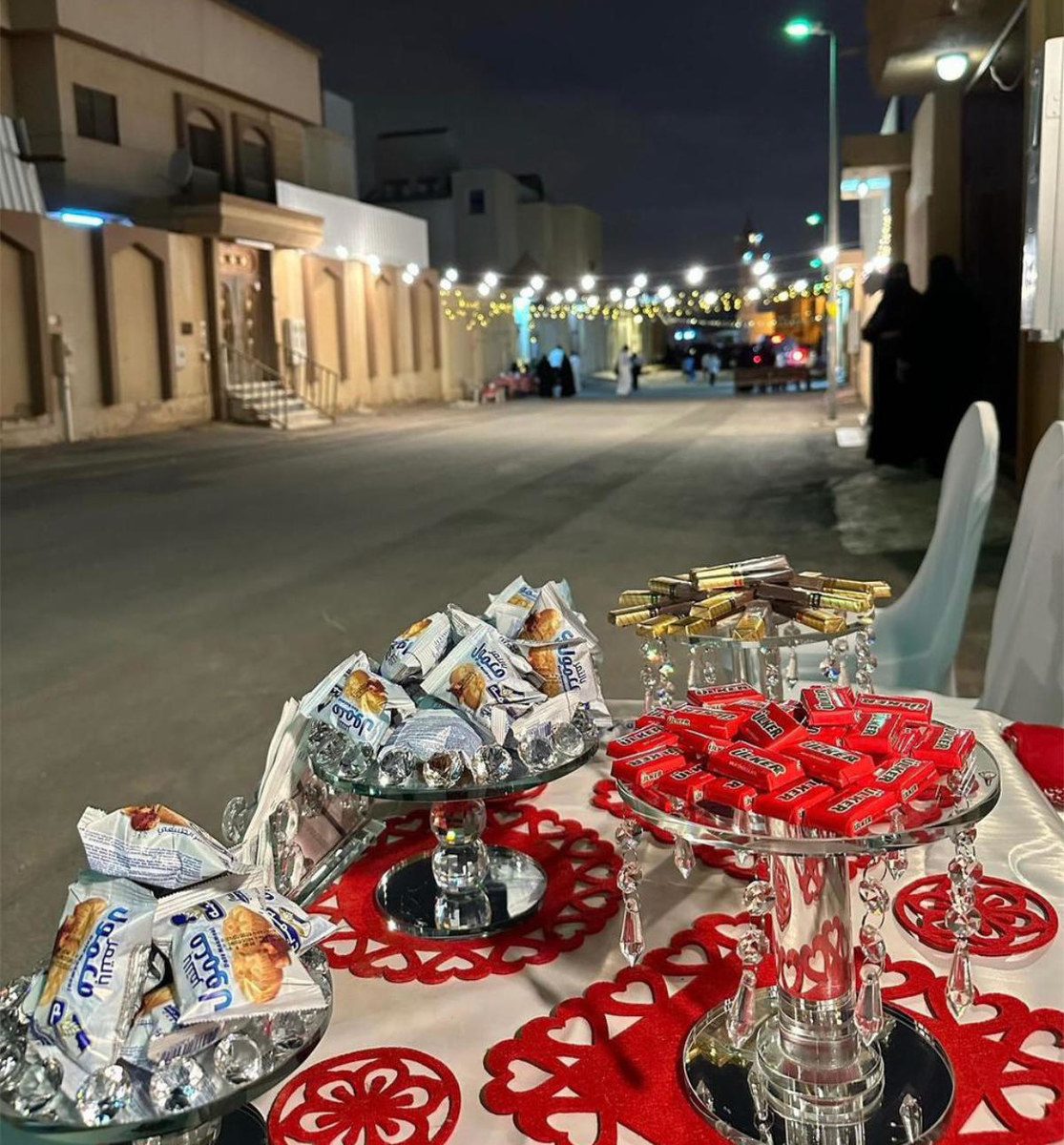
Families prepare all sorts of Eid gifts for visitors such as: candy, Al-Qareedh (chickpeas), sugared almonds, and sometimes money. (Supplied)
“They go to take sweets or money by knocking on the door of the neighbors. They consider it their treasure, because in the past, children didn’t always get those sweets. Children have joy in their eyes and the beautiful day stays in their memory.”
Huda Alodhaib said the favorite part of Al-Hawwamah for kids was the variety of sweets they received from neighbors.
“Al-Hawwamah is a collective joy for the children. Some people decorate their houses the night before Eid and prepare sweets and balloons for the children to go out among the neighbors’ houses.”
Alodhaib noted that in her neighborhood those children not wearing traditional clothes instead wore something beautiful or new. And locals could keep up to date on community news through an Instagram account filled with photos and videos of Eid festivities.


