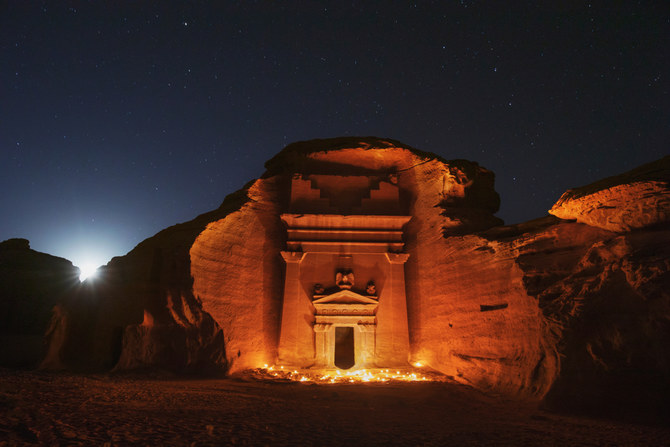
AlUla selects GHM to build luxury boutique hotel in Hegra by Q4 2023

RCU will integrate the hotel into the existing heritage structures, an old railway station and the surrounding landscape. (Shutterstock)
Short Url
Updated 18 April 2023
Follow

AlUla selects GHM to build luxury boutique hotel in Hegra by Q4 2023

RIYADH: Tourism in AlUla will soon be getting a shot in the arm with the regional authority sanctioning the construction of a luxury boutique hotel for the first time in Hegra, the most recognized site in the ancient oasis city, according to a press note.

The Royal Commission of AlUla selected luxury hotel operator GHM to build the Chedi Hegra Hotel in Saudi Arabia’s first UNESCO world heritage site.

According to the press release, the hotel will offer 35 personalized guest rooms and open in the fourth quarter of this year.

RCU will integrate the hotel into the existing heritage structures, an old railway station and the surrounding landscape. 

The historical complex will be incorporated with modern architecture, immersing the human experience within the Kingdom’s natural environment.

“The Chedi Hegra embodies the fulfillment of our Journey Through Time master plan with its deep respect for heritage, sustainable design features, and an authentic luxury experience that celebrates what makes AlUla a special destination for travelers seeking both comfort and adventure,” said John Northen, vice president of hotels and resorts in the statement. 

RCU assures that most of Hegra will remain untouched and that its design and construction align with the Sustainability Charter for AlUla. 

The project will include a light-touch tourism approach, imaginative infrastructure, planting of native flora and an all-electric mobility system.

GHM CEO Tommy Lai said: “As the first hotel within Saudi Arabia’s first UNESCO World Heritage Site, we are committed to preserving the site’s integrity while seamlessly integrating modern architecture and comforts.”

The Chedi Hegra will include three fine-dining restaurants, a café, a full-service spa and a pool. 

Furthermore, the restaurants will offer distinctive experiences for visitors.

One will be inside the old railway station, the other within the Hegra Fort, and the third will overlook a sunken water basin seating area. 

Aligned with Saudi Arabia’s localization efforts, the project will employ construction materials and workers from the Kingdom and generate 120 jobs upon completion.


Saudi minister at Davos urges collaboration on minerals

Global collaboration on minerals essential to ease geopolitical tensions and secure supply, WEF hears. (Supplied)
Updated 20 January 2026
Follow

Saudi minister at Davos urges collaboration on minerals

  • The reason of the tension of geopolitics is actually the criticality of the minerals

LONDON: Countries need to collaborate on mining and resources to help avoid geopolitical tensions, Saudi Arabia’s minister of industry and mineral resources told the World Economic Forum on Tuesday.

“The reason of the tension of geopolitics is actually the criticality of the minerals, the concentration in different areas of the world,” Bandar Alkhorayef told a panel discussion on the geopolitics of materials.

“The rational thing to do is to collaborate, and that’s what we are doing,” he added. “We are creating a platform of collaboration in Saudi Arabia.”

Bandar Alkhorayef, Saudi Minister of Industry and Mineral Resources 

The Kingdom last week hosted the Future Minerals Forum in Riyadh. Alkhorayef said the platform was launched by the government in 2022 as a contribution to the global community. “It’s very important to have a global movement, and that’s why we launched the Future Minerals Forum,” he said. “It is the most important platform of global mining leaders.”

The Kingdom has made mining one of the key pillars of its economy, rapidly expanding the sector under the Vision 2030 reform program with an eye on diversification. Saudi Arabia has an estimated $2.5 trillion in mineral wealth and the ramping up of extraction comes at a time of intense global competition for resources to drive technological development in areas like AI and renewables.

“We realized that unlocking the value that we have in our natural resources, of the different minerals that we have, will definitely help our economy to grow to diversify,” Alkhorayef said. The Kingdom has worked to reduce the timelines required to set up mines while also protecting local communities, he added. Obtaining mining permits in Saudi Arabia has been reduced to just 30 to 90 days compared to the many years required in other countries, Alkhorayef said.

“We learned very, very early that permitting is a bottleneck in the system,” he added. “We all know, and we have to be very, very frank about this, that mining doesn’t have a good reputation globally.

“We are trying to change this and cutting down the licensing process doesn’t only solve it. You need also to show the communities the impact of the mining on their lives.”

Saudi Arabia’s new mining investment laws have placed great emphasis on the development of society and local communities, along with protecting the environment and incorporating new technologies, Alkhorayef said. “We want to build the future mines; we don’t want to build old mines.”