

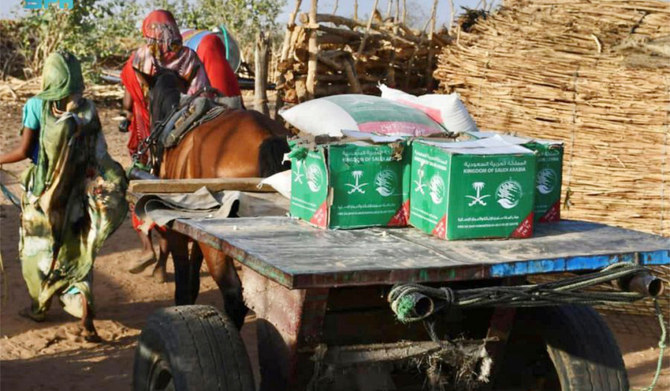
Saudi aid agency continues relief work worldwide

1 / 6
The food distribution is part of a series of humanitarian projects that the Kingdom implements in countries worldwide during the month of Ramadan. (SPA)
2 / 6
The food distribution is part of a series of humanitarian projects that the Kingdom implements in countries worldwide during the month of Ramadan. (SPA)
3 / 6
The food distribution is part of a series of humanitarian projects that the Kingdom implements in countries worldwide during the month of Ramadan. (SPA)
4 / 6
The food distribution is part of a series of humanitarian projects that the Kingdom implements in countries worldwide during the month of Ramadan. (SPA)
5 / 6
The food distribution is part of a series of humanitarian projects that the Kingdom implements in countries worldwide during the month of Ramadan. (SPA)
6 / 6
The food distribution is part of a series of humanitarian projects that the Kingdom implements in countries worldwide during the month of Ramadan. (SPA)
Short Url
Updated 28 March 2023
Follow

Saudi aid agency continues relief work worldwide

  • In Pakistan, KSrelief distributed 1,260 shelter materials and winter bags to the most vulnerable families affected by the floods in the Sindh province, benefiting 8,820 individuals

RIYADH: The King Salman Humanitarian Aid and Relief Center is continuing its efforts around the world with the provision of food, health, education, shelter and environmental aid to individuals and families in need.

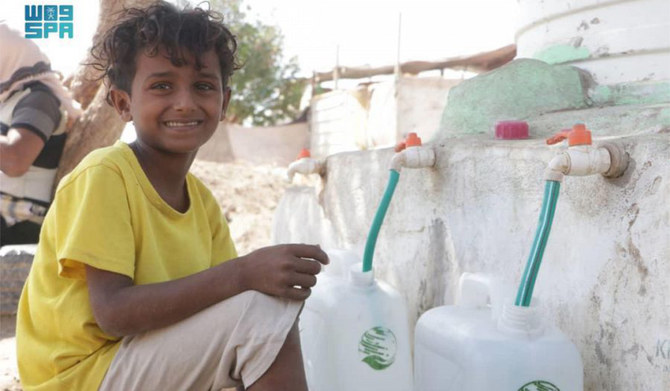
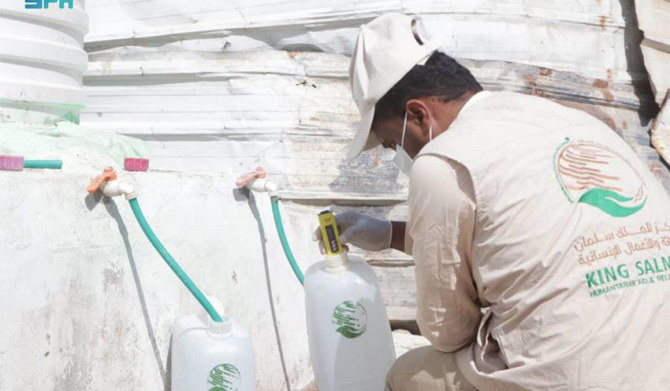
KSrelief implemented a water supply and environmental project in the Hodeidah governorate. In one week, 395,500 liters of drinking water and 381,500 liters of water for other purposes were pumped into tanks across the region.

Yemen is among the top beneficiaries of KSrelief’s assistance. In total, the center has implemented 797 projects in Yemen worth over $4.2 billion.

These include projects related to food security, health, humanitarian and emergency relief coordination, water sanitation and hygiene, protection, camp coordination, nutrition, education, early recovery, logistics and telecommunications.

HIGHLIGHT

Yemen is among the top beneficiaries of KSrelief’s assistance. In total, the center has implemented 797 projects in Yemen worth over $4.2 billion.

In Pakistan, KSrelief distributed 1,260 shelter materials and winter bags to the most vulnerable families affected by the floods in the Sindh province, benefiting 8,820 individuals.

In North Macedonia, KSrelief distributed 8 tons of food baskets, benefiting 650 people.

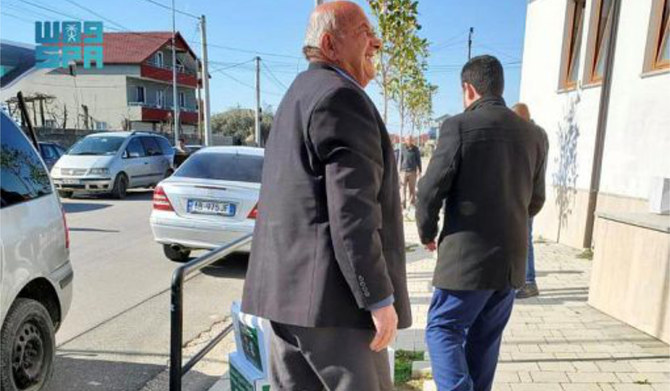
In Albania, the center also distributed over 5 tons of food baskets to the neediest families, benefiting 540 people.

KSrelief also distributed 600 food baskets in Bangladesh, benefiting 3,600 individuals from 600 families.

The food distribution is part of a series of humanitarian projects that the Kingdom implements in countries worldwide during the month of Ramadan.

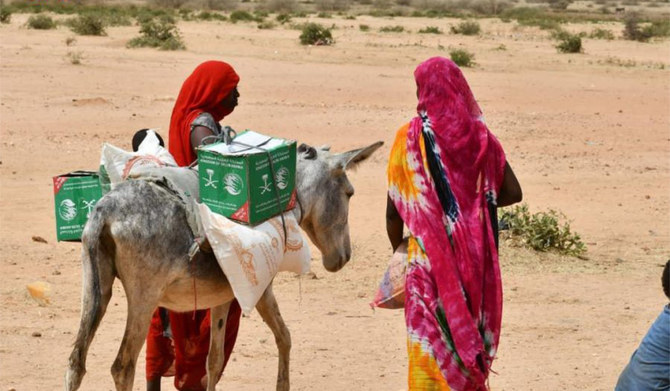
In Sudan, KSrelief distributed 790 food baskets in Khartoum, benefiting 3,198 individuals in need.

In Jordan, KSrelief completed a project to distribute school bags to Syrian students, providing basic educational supplies to 29,881 male and female Syrian refugee students. This aid is part of KSrelief’s ongoing support to Syrian refugees in various fields, including education.

In Ethiopia, KSrelief also concluded its voluntary medical program to combat blindness in Addis Ababa. During the campaign, KSrelief’s voluntary medical team examined 5,500 cases and distributed 1,250 pairs of glasses. The team also performed 426 surgeries.


First Saudi State’s economy laid foundation for modern stability

Updated 52 min 30 sec ago
Follow

First Saudi State’s economy laid foundation for modern stability

  • Revived commerce in Arabian Peninsula, according to historian
  • Diriyah highlighted as premier political and commercial center

RIYADH: The economy of the First Saudi State served as a fundamental pillar in building the nation, consolidating its influence, and ensuring its stability, the Saudi Press Agency reported recently.

The main features of this economy is outlined in the book “Diriyah: Origins and Development during the First Saudi State,” by Dr. Abdullah Al-Saleh Al-Othaimeen, the SPA reported.

The measures taken in those early days helped to ensure security, unify regions, and organize society. This assisted in stimulating trade, stabilizing markets, and enhancing life in Diriyah and surrounding areas.


Beyond its political and intellectual prominence, Diriyah emerged as a vibrant economic hub. (SPA)

The book, published by the King Abdulaziz Foundation for Research and Archives, outlines how these actions facilitated the arrival of caravans, secured vast trade routes, and revived commerce across the Arabian Peninsula.

Beyond its political and intellectual prominence, Diriyah emerged as a vibrant economic hub. Its markets attracted merchants and students from across the region.

The local community relied on diverse activities including trade, agriculture, and livestock breeding, with horses and camels playing crucial roles in transportation, commerce, and securing roads.

Economic growth during this founding phase “solidified Diriyah’s position as a premier political and commercial center in the Arabian Peninsula,” the SPA reported