

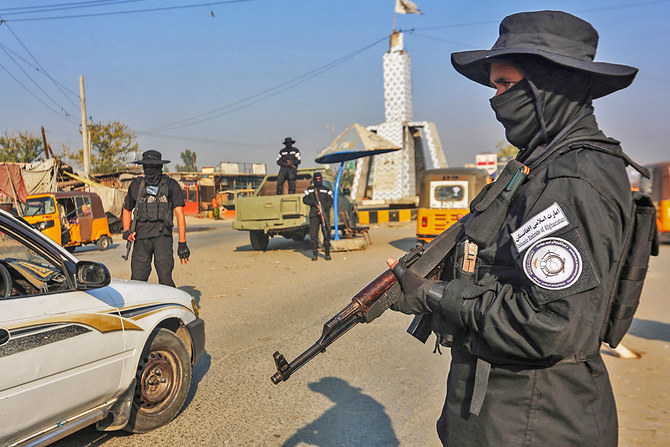
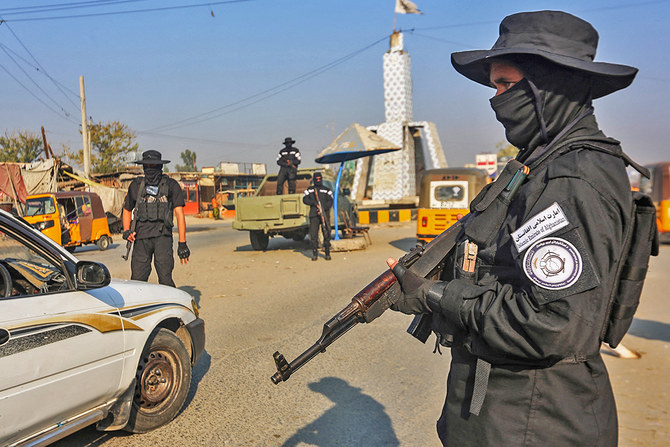
ISLAMABAD: The Taliban government is trying to take charge of more Afghan embassies abroad, a spokesman said Saturday, amid their continued international isolation because of restrictions on women and girls.
The Taliban initially promised a more moderate rule after their takeover in August 2021, but instead imposed sweeping bans and other measures curtailing basic freedoms.
The U.N. and foreign governments have fiercely condemned the restrictions on female education and employment, and the international community remains wary of officially recognizing the Taliban, although some countries retain an active diplomatic mission in Afghanistan, including Pakistan, Turkey, Qatar, and China.
“The Islamic Emirate has sent diplomats to at least 14 countries and efforts are underway to take charge of other diplomatic missions abroad,” the government’s main spokesman Zabihullah Mujahid said in a video. “Diplomats of the former government are continuing their activities in coordination with the Foreign Ministry.”
The administration has sent its diplomats to Iran, Turkey, Pakistan, Russia, China, Kazakhstan and other Arab and African countries, according to Mujahid. He gave no further details.
In February, authorities handed over control of Afghanistan’s embassy in Tehran to envoys of the Taliban government. It was previously staffed by envoys from the former U.S.-backed Afghan government.
The deputy spokesman for the government, Bilal Karimi, was unable to immediately provide figures on how many Afghan diplomatic missions are active overseas or how many the administration has taken charge of since August 2021.
“There are many embassies abroad. The Islamic Emirate wants to have diplomatic relations with all countries and move forward with good interactions," he told The Associated Press. "It is our hope that embassies will be opened in all countries as soon as official relations begin with the Islamic Emirate.”
The Foreign Ministry spokesman did not respond to the AP's questions on embassies.
In January, the highest-ranking woman at the United Nations, Amina Mohammed, said the Taliban want international recognition and Afghanistan’s U.N. seat, which is currently held by the former government led by Ashraf Ghani.
“Recognition is one leverage that we have and we should hold on to,” she said, after meeting Taliban ministers in Kabul and Kandahar to try to reverse their crackdowns on women and girls.
They have banned girls from middle school, high school and university and banned women from most fields of employment, including at nongovernmental groups. Women have also been ordered to wear head-to-toe clothing in public and are barred from parks and gyms.
Schools reopened for the new academic year last week without teenage girls, more than 18 months after the ban on secondary education came into effect.
Universities reopened after the winter break in early March without their female students, and the ban on NGO work is still in place, although some aid agencies have partially resumed their activities through exemptions.
Jan Egeland, the secretary-general of the Norwegian Refugee Council, said Friday that more than three months have passed since the “intolerable ban” on female aid workers in Afghanistan. “We have made some local progress, allowing women’s return to work, but still await national permits.”


