


RIYADH: In a move to increase the production of local content, Saudi telecom service provider stc signed a number of new strategic agreements with domestic companies during the Public Investment Fund's Private Sector Forum held in Riyadh on March 14-15.
Aimed at supporting sustainability efforts, stc signed the first agreement with Ebttikar, which provides recycling services and the preservation of raw materials.
Another deal it signed during the forum was with Holoul to provide smart solutions for conference rooms and private offices.
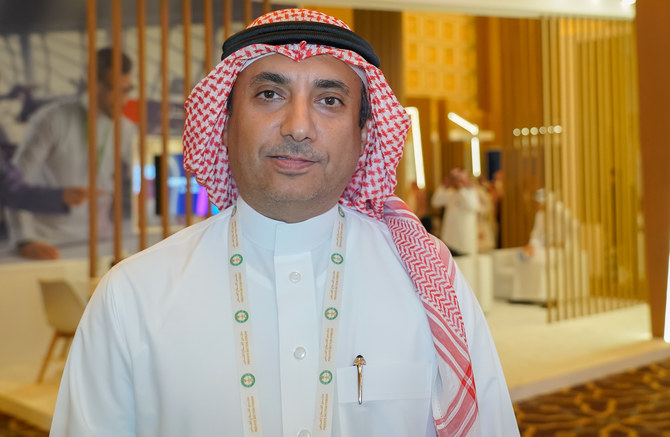
"We signed the two contracts with local companies. One of the contracts is related to improving the environment through stc refurbished products. The second is related to developing an office automation environment solution, which will take us to the IoT investment. And this is really something that we will see soon. Hopefully, it will be localized and then it will go abroad," Emad Alaoudah, group chief shared services officer at stc, told Arab News.
He explained the cooperation is an extension of the group’s efforts to support local content in the Kingdom, one of the main pillars of Saudi Vision 2030, which aims to maximize its contribution and enable it to create quality products and services.
During the forum, stc also introduced a “partner hub” platform that will open up wider investment opportunities for suppliers while supporting the establishment of new industries and the localization of existing ones.
"These contracts and the previous contract that I mentioned created an ecosystem today worth SR13 billion. This is the commitment that we put into the local markets since we started the Rawafed program years ago," Alaoudah said.
Rawafed was launched in 2018 by stc with the aim of developing sustainable local content and contributing to the national gross domestic product in the information and communications technology sector.
"Within the Rawafed program, we have created also an ecosystem where we try to localize some of the supply chains that we have in Saudi Arabia and also export it to the region and to the North of Africa," he added.
Alaoudah stressed that they understand the importance of concerted efforts by major Saudi companies to provide opportunities that enable entrepreneurs and local small and medium enterprises to raise their efficiency, "which will reflect positively on the business sector in the Kingdom."
He explained that stc wanted to highlight the Kingdom's ICT industry through the Rawafed program, through a series of workshops and partner hubs during the forum.
"This program is really focused on developing the local content. This will be through four major areas. One of them is R&D (research and development). Second is developing the capability of the young generation and the ICT industry. The third will be supporting the small and medium organizations that we have. And fourth, really to localize the manufacturing inside Saudi Arabia" he said.
In 2022, Rawafed invested SR5 billion into the national economy, raising annual domestic spending by SR13.4 billion, which contributed to the program reaching a rate of 40.75 percent in the local content development index.


