UNITED NATIONS: The UN envoy in Afghanistan warned on Wednesday that a Taliban administration crackdown on women’s rights is likely to lead to a drop in aid and development funding in the country, where women fear being cut from public life as much as violent death.
The United Nations has made its single-largest country aid appeal ever, asking for $4.6 billion in 2023 to deliver help in Afghanistan, where two-thirds of the population — some 28 million people — need it to survive, said Roza Otunbayeva.
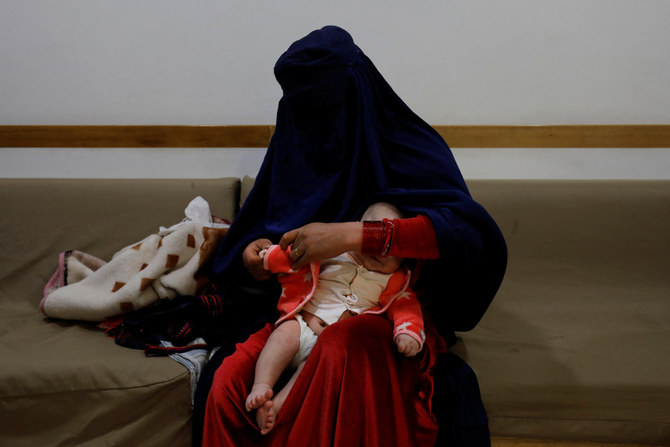
But she told the UN Security Council that providing that assistance had been put at risk by Taliban administration bans on women attending high school and university, visiting parks and working for aid groups. Women are also not allowed to leave the home without a male relative and must cover their faces.
“Funding for Afghanistan is likely to drop if women were not allowed to work,” Otunbayeva said. “If the amount of assistance is reduced, then the amount of US dollar cash shipments required to support that assistance will also decline.”
She said discussions about providing more development-style help for things like small infrastructure projects or policies to combat effects of climate change had halted over the bans.
The United States was the largest donor to the 2022 UN aid plan in Afghanistan, giving more than $1 billion. When asked about possible cuts, US State Department spokesperson Ned Price said Washington was looking at implications of the bans on aid deliveries and consulting closely with the United Nations.
Price said the United States wanted to make sure “the Taliban is under no illusions that they can have it both ways — that they can fail to fulfill the commitments that they’ve made to the people of Afghanistan ... and not face consequences from the international community.”
The Taliban administration, which seized power in August 2021 as US-led forces withdrew from Afghanistan after 20 years of war, says it respects women’s rights in accordance with its strict interpretation of Islamic law.
“They systematically deprive women and girls of their fundamental human rights,” United Arab Emirates UN Ambassador Lana Nusseibeh said. “These decisions have nothing to do with Islam or Afghan culture and risk further entrenching the country’s international isolation.”
Otunbayeva said that while some Afghan women initially said they welcomed the Taliban coming to power because it ended the war, they quickly began to lose hope.
“They say their elimination from public life is no better than fearing violent death,” Otunbayeva told the Security Council meeting on Afghanistan, which coincided with International Women’s Day.
“Afghanistan under the Taliban remains the most repressive country in the world regarding women’s rights,” she said. “It is difficult to understand how any government worthy of the name can govern against the needs of half of its population.”


![]()

UN warns of aid cuts over Taliban crackdown on women’s rights
Short Url
https://arab.news/9abpv
UN warns of aid cuts over Taliban crackdown on women’s rights
- Roza Otunbayeva, UN envoy in Afghanistan, says funding for the Taliban-ruled nation is likely to drop if women were not allowed to work
- “Afghanistan under the Taliban remains the most repressive country in the world regarding women’s rights,” she told the UN Security Council


Latest updates


© 2026 SAUDI RESEARCH & PUBLISHING COMPANY, All Rights Reserved And subject to Terms of Use Agreement.