Saudi-based KAUST to host the Times Higher Education Magazine’s conference on Sustainable Development

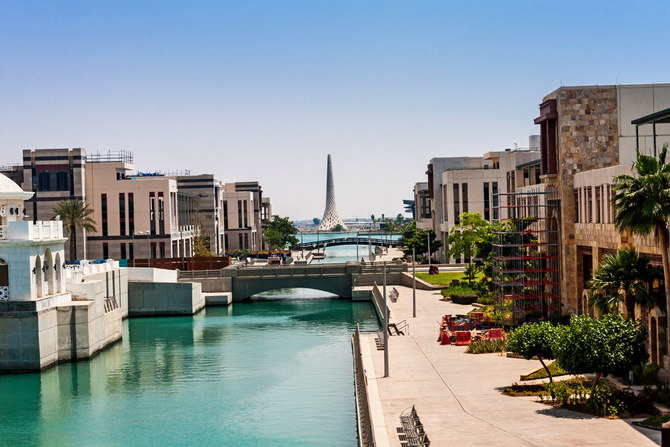
The canal in the King Abdullah University of Science and Technology campus (Shutterstock)
Short Url
Updated 06 March 2023
Follow

Saudi-based KAUST to host the Times Higher Education Magazine’s conference on Sustainable Development

RIYADH: The King Abdullah University of Science and Technology is set to receive more than 1,200 experts and innovators when it plays host to the Global Sustainable Development Congress of the Times Higher Education magazine at the end of May.

The three-day conference, which begins on May 30, is the first such event to be held in the Kingdom, and will see leaders in the sectors of higher education, government, business, and civil society discussing solutions to sustainability issues.

It will also debate a number of topics revolving around the actions that universities must take to help society achieve the UN’s Sustainable Development Goals.

“This conference is a call to action and an invitation to international universities to direct their educational, research, innovative and awareness programs towards achieving tangible and influential results,” President of KAUST Tony Chan said.

The event is on track to cover four key courses that are in line with the transformations needed to achieve the following goals: health and population sciences, sustainable energy and industry, sustainable environment, and sustainable cities and communities.

Times Higher Education Chief Data Officer Duncan Ross said: “The conference is designed to inspire strategic change for universities committed to supporting the Sustainable Development Goals and present practical and concrete plans to achieve the hoped-for transformation, and this year’s event provides the opportunity to add human context to data, allowing representatives and participants to work creatively and innovatively together.”


Saudi minister at Davos urges collaboration on minerals

Global collaboration on minerals essential to ease geopolitical tensions and secure supply, WEF hears. (Supplied)
Updated 20 January 2026
Follow

Saudi minister at Davos urges collaboration on minerals

  • The reason of the tension of geopolitics is actually the criticality of the minerals

LONDON: Countries need to collaborate on mining and resources to help avoid geopolitical tensions, Saudi Arabia’s minister of industry and mineral resources told the World Economic Forum on Tuesday.

“The reason of the tension of geopolitics is actually the criticality of the minerals, the concentration in different areas of the world,” Bandar Alkhorayef told a panel discussion on the geopolitics of materials.

“The rational thing to do is to collaborate, and that’s what we are doing,” he added. “We are creating a platform of collaboration in Saudi Arabia.”

Bandar Alkhorayef, Saudi Minister of Industry and Mineral Resources 

The Kingdom last week hosted the Future Minerals Forum in Riyadh. Alkhorayef said the platform was launched by the government in 2022 as a contribution to the global community. “It’s very important to have a global movement, and that’s why we launched the Future Minerals Forum,” he said. “It is the most important platform of global mining leaders.”

The Kingdom has made mining one of the key pillars of its economy, rapidly expanding the sector under the Vision 2030 reform program with an eye on diversification. Saudi Arabia has an estimated $2.5 trillion in mineral wealth and the ramping up of extraction comes at a time of intense global competition for resources to drive technological development in areas like AI and renewables.

“We realized that unlocking the value that we have in our natural resources, of the different minerals that we have, will definitely help our economy to grow to diversify,” Alkhorayef said. The Kingdom has worked to reduce the timelines required to set up mines while also protecting local communities, he added. Obtaining mining permits in Saudi Arabia has been reduced to just 30 to 90 days compared to the many years required in other countries, Alkhorayef said.

“We learned very, very early that permitting is a bottleneck in the system,” he added. “We all know, and we have to be very, very frank about this, that mining doesn’t have a good reputation globally.

“We are trying to change this and cutting down the licensing process doesn’t only solve it. You need also to show the communities the impact of the mining on their lives.”

Saudi Arabia’s new mining investment laws have placed great emphasis on the development of society and local communities, along with protecting the environment and incorporating new technologies, Alkhorayef said. “We want to build the future mines; we don’t want to build old mines.”