

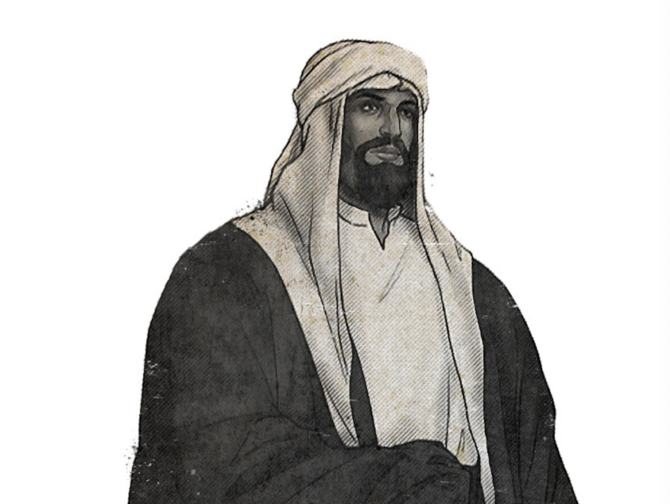

LONDON: When Imam Mohammed bin Saud found himself thrust into the spotlight of history upon the death of his father in 1725, few could have foreseen the transformation in the fortunes of central Arabia that the next ruler of the emirate of Diriyah was destined to bring about.
Born in Diriyah in about 1679, Imam Mohammed came into a world that had not changed significantly for hundreds of years.
Thanks to its strategic location at the junction of major trade and Hajj routes, Diriyah was an important city, but for centuries had been just one of a patchwork of small city states, each an oasis in an unstable landscape of shifting allegiances and rivalries.
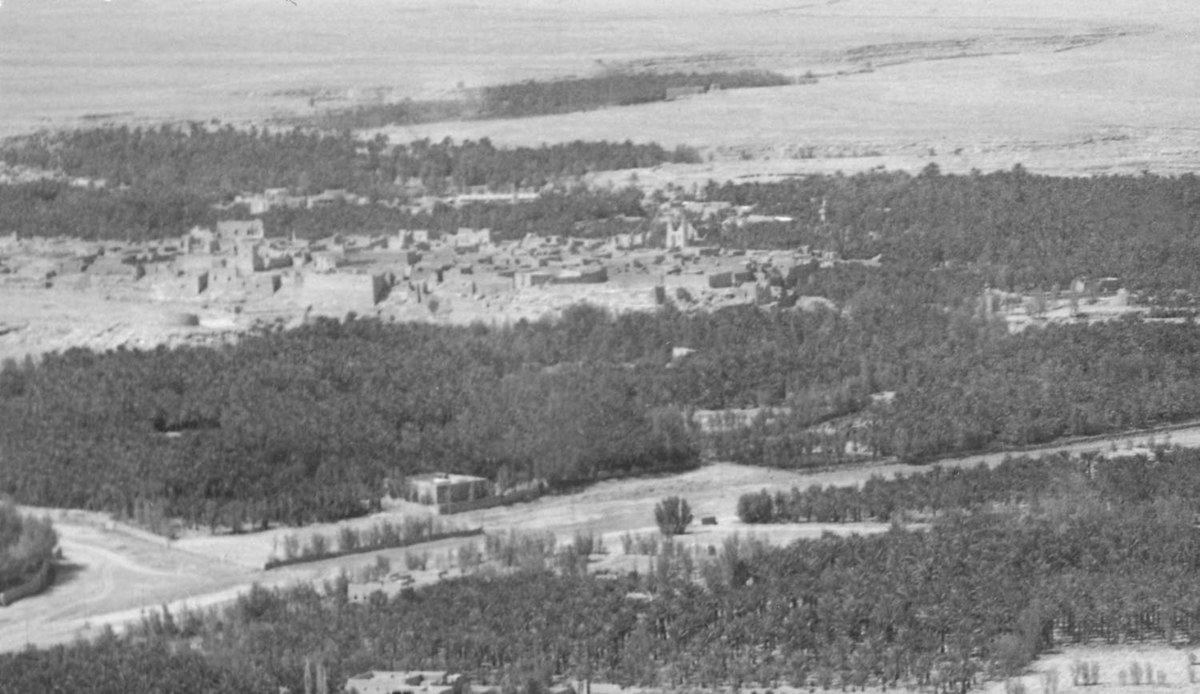
Diriyah was an important city, but for centuries had been just one of a patchwork of small city states. (DGDA)
In the absence of a unifying power, all too often disagreements between rival settlements or tribes led to conflict, and in this atmosphere of perpetual insecurity progress was stifled.
All that would change for Diriyah, and for the wider Arabian world, after Imam Mohammed bin Saud came to power in 1727.
Diriyah had been founded in the 15th century on the fertile banks of what became known as Wadi Hanifa by Mani’ Al-Muraydi of the Bani Hanifa tribe. Around 300 years, leaders would follow in his footsteps, each contributing to the steady growth of Diriyah’s influence.
In 1720, the leadership passed to Prince Saud bin Mohammad bin Muqrin, the founder of the House of Saud. He reigned until his death in 1725, and arguably his greatest legacy was his son, who would succeed him in 1727.
Imam Mohammed invested Diriyah with a new purpose. He was determined to forge a new, ambitious future for his people that would see Diriyah shrug off the limitations imposed by its status as a city state.
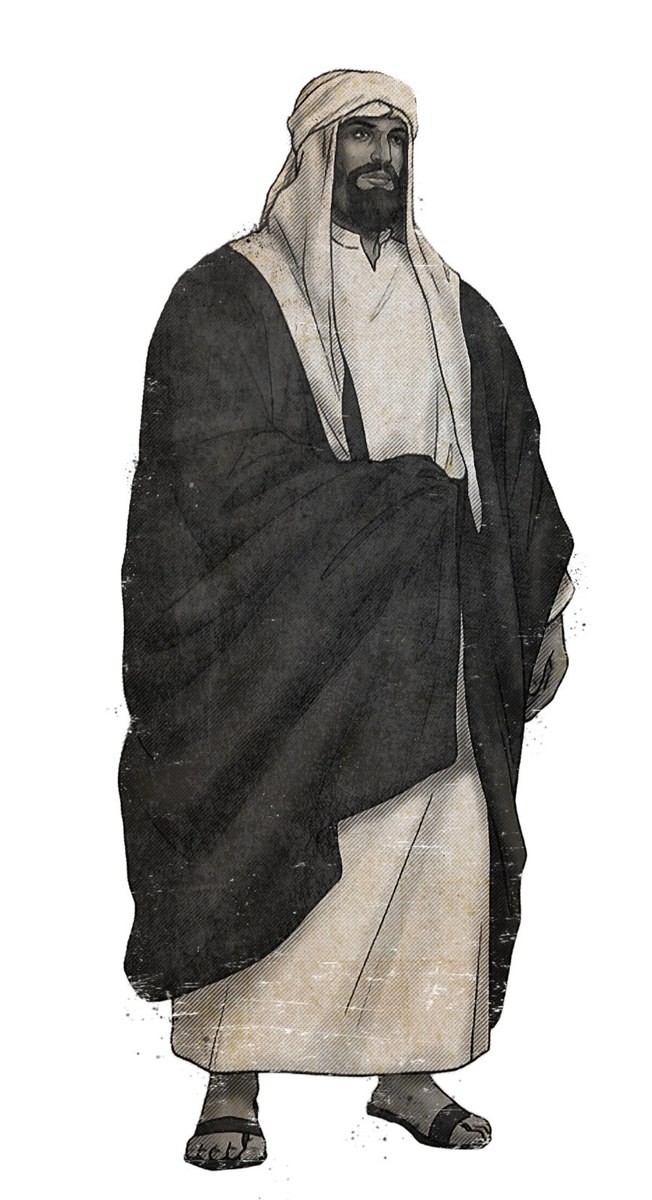
A drawing of Imam Mohammed bin Saud as envisaged by Manga Production in Riyadh. (Manga Production)
Today, the beginning of Imam Mohammed’s reign, in February 1727, is recognized as the moment that the First Saudi State came into being, ultimately paving the way for the creation on Sept. 23, 1932, of the Kingdom of Saudi Arabia.
Imam Mohammed had learned the art of politics at his father’s side. He played a significant role in supporting him throughout his reign and proved his mettle as a leader when Diriyah was attacked in 1721 by the Banu Khalid tribe of Al-Ahsa. Mohammed led his father’s forces to victory, strengthening Diriyah’s regional standing in the process.
After the death of his father in 1725, Imam Mohammed pledged his support to Prince Zaid bin Markhan of the Watban clan of the tribe Zaid, and after he emerged victorious served him loyally until the prince’s short reign was ended by an assassin the following year.
In 1727, Imam Mohammed assumed the leadership. As the son of Imam Saud, the role was rightfully his, but he was also the popular choice. As the official biography of the founder records, Arab chroniclers tell us that “the people of Diriyah were fully confident in his abilities and (that) his leadership qualities (would) free the region of division and conflict.”
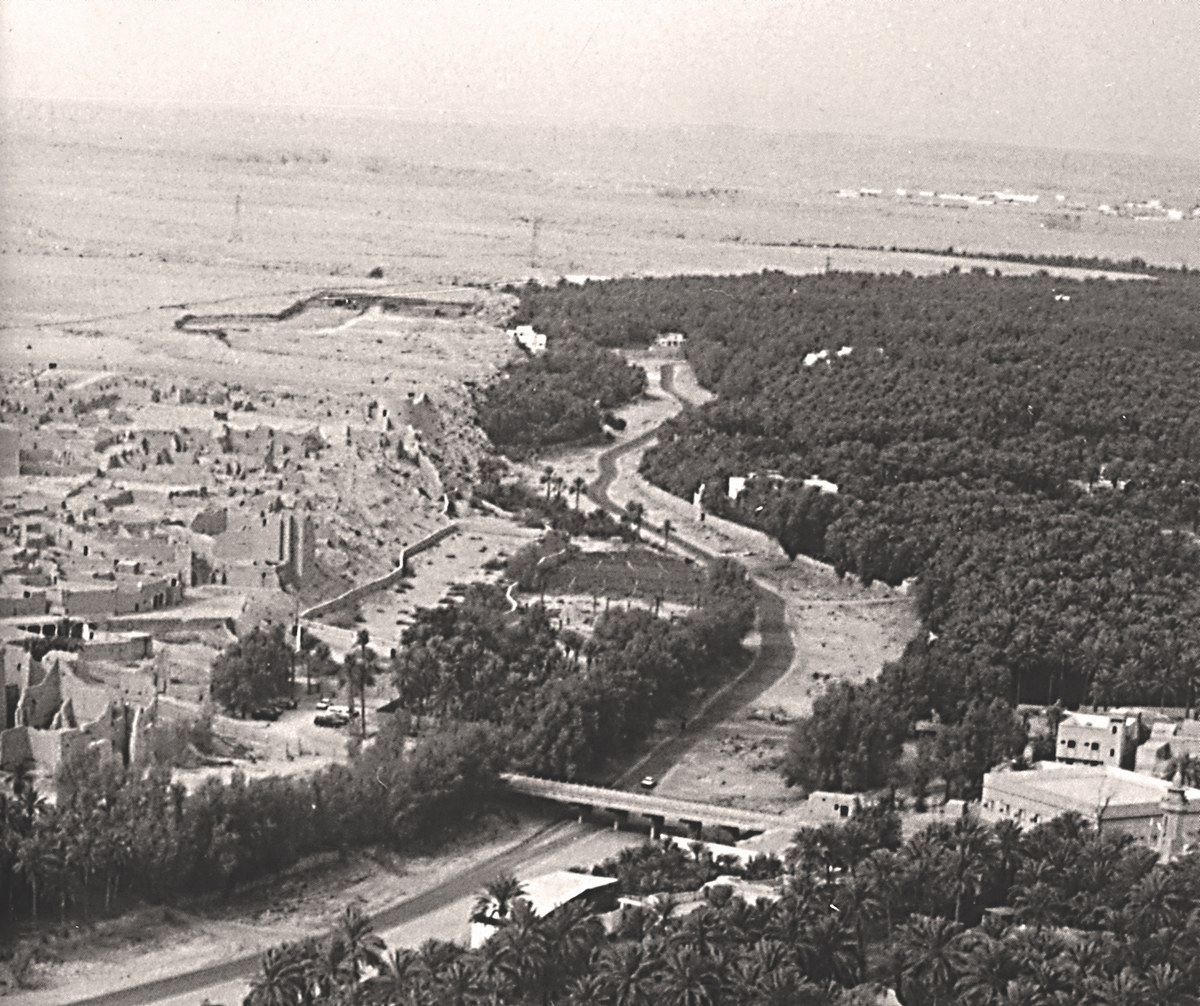
By the time of his death in 1765, Imam Mohammed bin Saud had laid the foundations for the greatest political entity central Arabia had ever seen. (DGDA)
Imam Mohammed was already known for “his many personal characteristics, such as his devotion, goodness, bravery, and ability to influence others,” and the passing of power to him was “a transformative moment, not only in the history of Diriyah, but in the history of Najd and the Arabian Peninsula.”
Already renowned as a man of action, Imam Mohammed would also prove himself to be a wise leader.
Determined to bring the centuries of bickering and petty rivalries to an end, he set about achieving political and administrative unity, first among the neighboring towns of Najd, and ultimately further afield, with the aim of establishing a greater Arabian state.
As the official history published by the Diriyah Gate Development Authority attests, “it wasn’t an easy task,” but by the time of his death in 1765, Imam Mohammed bin Saud had laid the foundations for the greatest political entity central Arabia had ever seen.
Acutely conscious of the need for planned succession, Imam Mohammed’s last gift was to ensure power passed peacefully to his son, Imam Abdulaziz, under whom Diriyah’s expansion and influence continued to grow.
Imam Abdulaziz would found the royal district of At-Turaif at Diriyah, a unique Najdi architectural gem which in 2010 would be inscribed on UNESCO’s World Heritage List as a site of “outstanding universal value,” and which today is at the heart of the Diriyah Gate Project, a heritage and cultural destination for visitors from around the world.
In 1803, Imam Saud bin Abdulaziz, Imam Mohammed’s grandson, succeeded his father. He would go down in history as Saud the Great, because it was during his reign that the First Saudi State reached its zenith, ruling over most of the Arabian Peninsula and ejecting the Ottomans from the Holy Cities of Madinah and Makkah.
But challenging the vast and aggressive Ottoman empire would prove to be Diriyah’s undoing.
Upon the death of Saud the Great in 1814, his eldest son and successor Imam Abdullah inherited the wrath of Istanbul, which dispatched a vast force to end the threat Diriyah posed to Ottoman authority in Arabia.
After a long series of bloody battles fought from the Red Sea to the heart of Najd, Diriyah finally fell in 1818, at the end of a six-month siege in which many gave their lives in defense of Imam Mohammed’s dream.
Imam Abdullah bin Saud, the fourth and final ruler of the First Saudi State, was taken in chains to Istanbul, where he was executed.
But the seeds of unity and independence had been sown and would spring forth anew, first in the form of the Second Saudi State, based in Riyadh from 1824 to 1891, and ultimately in the unification of Najd and the Hejaz by King Abdulaziz, and the creation of the Kingdom of Saudi Arabia in 1932.
The man known to the wider world simply as Ibn Saud had completed the journey begun by the founding of the First Saudi State by Imam Mohammad bin Saud in 1727.
On Jan. 27, 2022, Founding Day was established by a Royal Order of King Salman in recognition of this pivotal moment in the nation’s history, and to honor the wisdom of a leader who "provided unity and security in the Arabian Peninsula following centuries of fragmentation, dissension and instability.”


