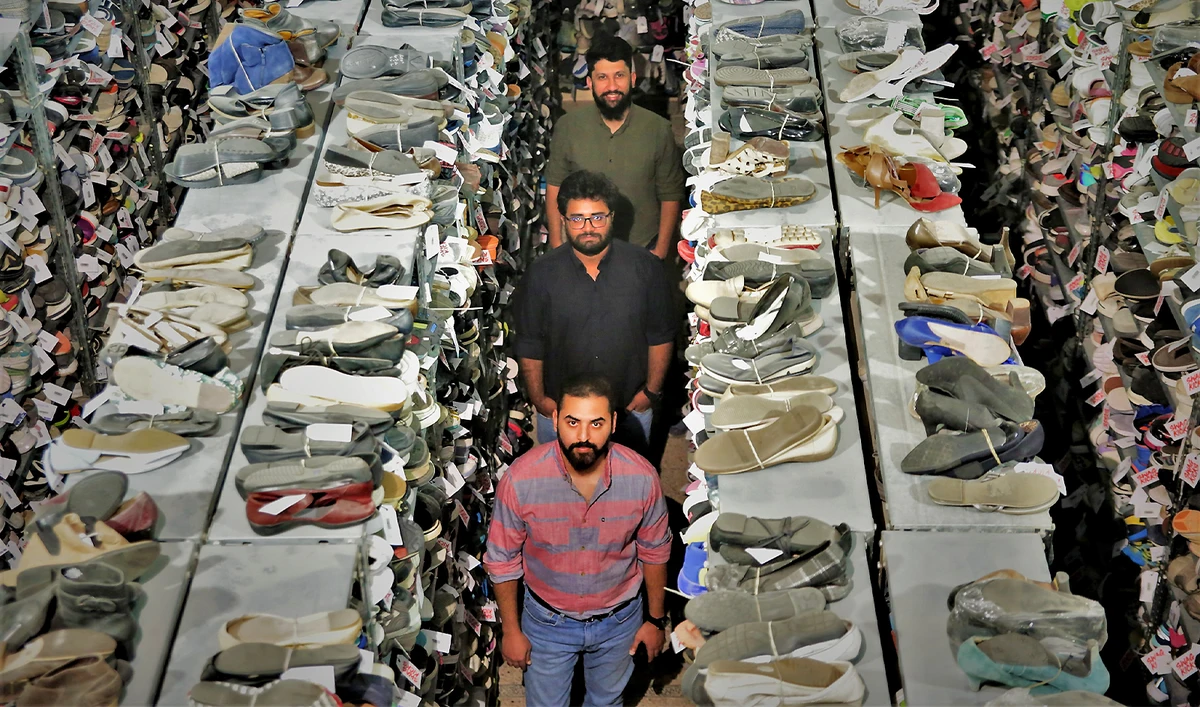
- As Pakistanis struggles with decades-high inflation, ‘Swag Kicks’ provides second-hand clothes at affordable rates
- Import of second-hand clothing is on the rise globally as consumer preferences shift toward circular fashion
KARACHI: Swag Kicks, an online second-hand clothing marketplace based in Karachi, has raised $1.2 million in a seed funding round led by foreign venture capitals (VCs) and local angel investors, the startup’s co-founder said on Tuesday.
According to its website, Swag Kicks is the “go-to sustainable fashion platform” for millennials and generation Z Pakistanis. The startup says it has served over 100,000 customers and has over 25,000 listed items from sneakers, bags and apparel to accessories on its website.
Angel investors are entities that invest capital into startups or businesses for equity. The funding round that closed this week was led by i2i Ventures, with participation from TechStars Toronto, CrossFund, and other notable angel investors.
“The funds would be utilized to build up inventories and stocks, expand market outreach, and introduce innovative technology to manage growing demand,” Nofal Khan, co-founder of Swag Kicks, told Arab News.
The startup was founded in 2019 but as the coronavirus pandemic dealt severe blows to businesses around the world, it had to scale its business activities. However, the business slump ended and Swag Kicks bounced back by raising $200,000 in pre-seed funding in early 2021.
The startup says is the first of its kind to attract foreign funding into second-hand clothes.
“We are the first to attract foreign funding, we have digitized Lunda (second-hand clothing) in Pakistan and selling used clothing and streetwear called “pre-loved fashion” to customers across Pakistan,” Khan said.
“We are selling original global big brands at the lowest prices, which otherwise are not accessible for average Pakistanis,” he added.
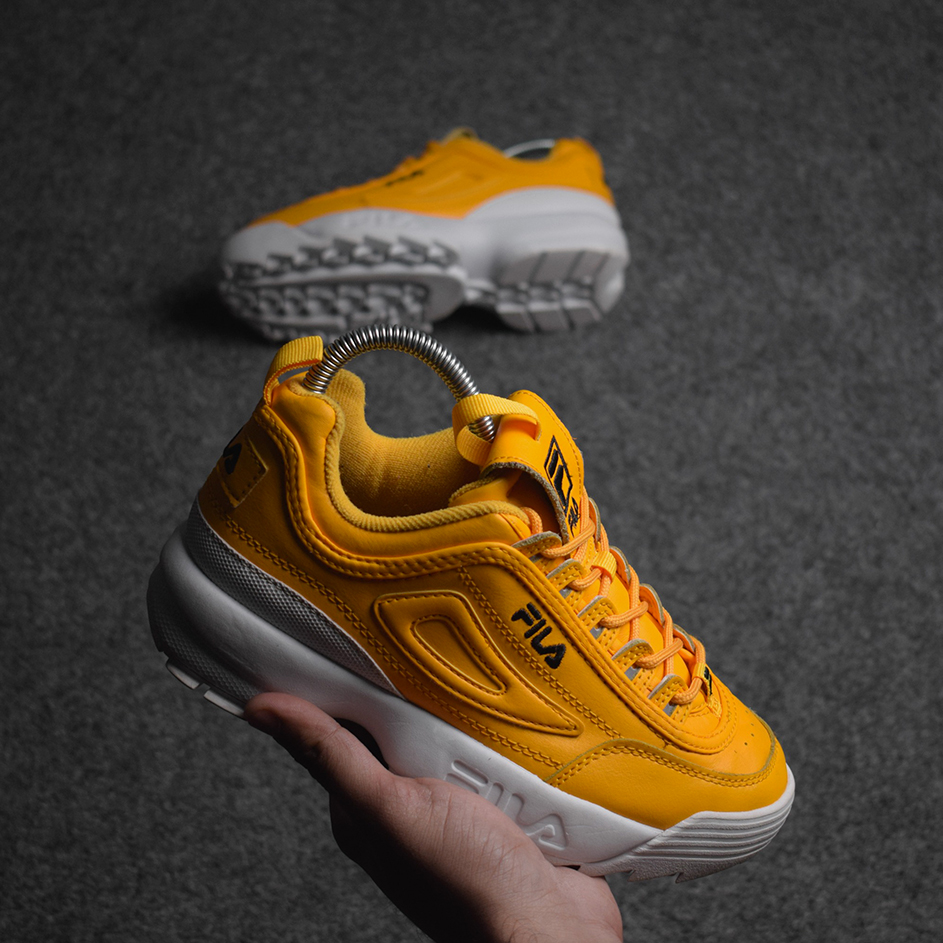
The startup brings global sneaker and streetwear to Pakistan by sourcing “pre-loved fashion” from across the world, washing and disinfecting the items before listing them on the platform.
“Our platform serves millennials and Gen-Zs so that they could express themselves through this form of circular fashion amid its growing demand,” Khan said.
Swag-Kicks features pre-use versions of renowned brands such as Adidas, Nike, Timberland. Jordans, Puma, Levis and others. The funding round is being seen by venture capitalists as an important development as Pakistan attempts to stave off serious macroeconomic challenges.
“International funding for startups is definitely still drying up in 2023, which is not helped by Pakistan’s macroeconomic environment,” Kalsoom Lakhani, co-founder and general partner at i2i Ventures, told Arab News.
“However, all these problems present enormous opportunities — Swag Kicks and plays in the circular fashion space are a great example of this,” she added. Lakhani said thrifting and second-hand clothing become popular choices when consumer spending declines.
“For us as Pakistan-focused VC funds, it’s about investing in companies that are interesting because of this environment, that reflect changing attitudes,” she added.
Pakistan saw a massive funding rush in 2021 when startups attracted around $360 million and fell to around $350 million in 2022, according to various funding sources.
The import of secondhand clothing is on the rise around the world as consumer preference shifts toward circular fashion.
Second-hand marketplaces are growing, with estimates predicting the global market will grow 127 percent by 2026 to an estimated $218 billion. This, according to New York-based investment management company Morgan Stanley, is in part due to realization among consumers that their individual consumption habits can have significant impact on the planet.
Pakistan continues to remain one of the largest importers of used clothes as inflation surges more people are pushed toward poverty. During the last fiscal year, around 36 percent of Pakistan’s population was living below the poverty line, which is projected to increase to 42.5 percent this year as incomes decline, unemployment increases and prices increase rapidly in the country, according to Pakistani economist, Dr. Hafiz Pasha.
Swag Kicks expects to tap into the problems that rising inflation and shrinking spending have caused to the customers by increasing its market penetration.
“The secondhand clothing market in Pakistan is large, but the supply side is very fragmented,” Misbah Naqvi, Co-founder and general partner at i2i Ventures, told Arab News.
“The Swag Kicks team is able to operate at this scale because of the elaborate back end they’ve built, including an in-house warehouse Software as a Service (Saas) product that has tremendous potential,” Naqvi added.
Pakistan imported 978,699 metric tons of preloved or worn clothing worth over $433 million during the last fiscal year, more than 33.5 percent more in terms of quantity and 40 percent in terms of value when compared to previous year, according to official data.