Cardiovascular diseases, diabetes, cancer among causes of early deaths in Pakistan — study

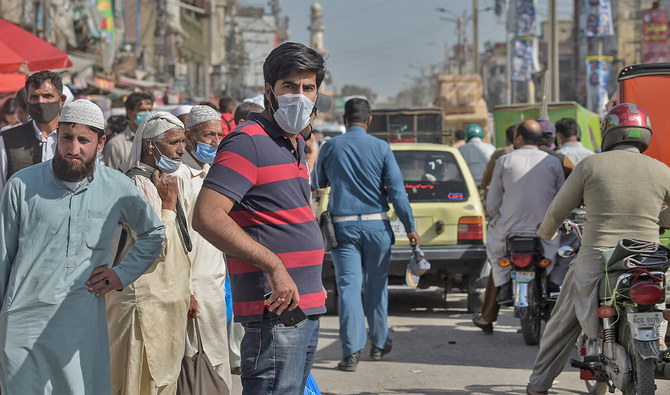
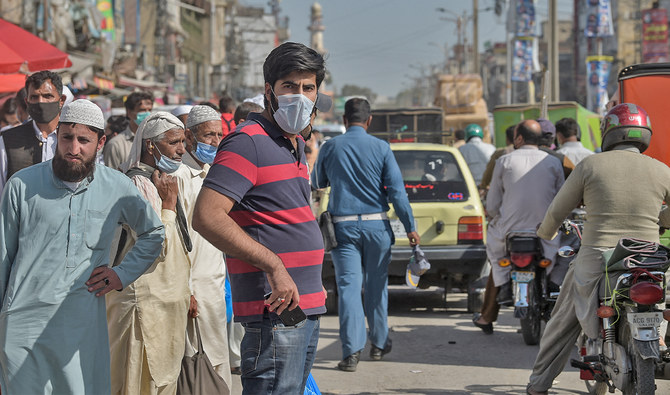
People wait for transports at a market in Rawalpindi, Pakistan, on April 7, 2021. (AFP/File)
Short Url
Updated 19 January 2023
Follow

Cardiovascular diseases, diabetes, cancer among causes of early deaths in Pakistan — study

  • Research warns non-communicable diseases will be leading causes of death in Pakistan by 2040
  • Study adds Pakistan is prone to calamitous effects of climate change and natural disasters

ISLAMABAD: Pakistan has considerable control over infectious diseases but now struggles against cardiovascular diseases, diabetes, and cancer as causes of early deaths, according to a new study published Thursday.

The Lancet Global Health, a prestigious British-based medical journal, reported that five non-communicable diseases — ischaemic heart disease, stroke, congenital defects, cirrhosis, and chronic kidney disease — were among the 10 leading causes of early deaths in the impoverished Islamic nation.

However, the journal said some of Pakistan’s work has resulted in an increase in life expectancy from 61.1 years to 65.9 over the past three decades.

The change is due, it said, “to the reduction in communicable, maternal, neonatal, and nutritional diseases.” That’s still 7.6 years lower than the global average life expectancy, which increased over 30 years by 8 percent in women and 7 percent in men.

The study says “despite periods of political and economic turbulence since 1990, Pakistan has made positive strides in improving overall health outcomes at the population level and continues to seek innovative solutions to challenging health and health policy problems.”

The study, which was based on Pakistan’s health data from 1990 to 2019, has warned that non-communicable diseases will be the leading causes of death in Pakistan by 2040.

It said Pakistan will also continue to face infectious diseases.

“Pakistan urgently needs a single national nutrition policy, especially as climate change and the increased severity of drought, flood, and pestilence threatens food security,” said Dr. Zainab Samad, Professor and Chair of the Department of Medicine at Aga Khan University, one of the authors of the report.

“What these findings tell us is that Pakistan’s baseline before being hit by extreme flooding was already at some of the lowest levels around the globe,” said Dr. Ali Mokdad, Professor of Health Metrics Sciences at IHME. “Pakistan is in critical need of a more equitable investment in its health system and policy interventions to save lives and improve people’s health.”

The study said with a population approaching 225 million, “Pakistan is prone to the calamitous effects of climate change and natural disasters, including the 2005 Kashmir earthquake and catastrophic floods in 2010 and 2022, all of which have impacted major health policies and reform.”

It said the country’s major health challenges were compounded by the ongoing COVID-19 pandemic and last summer’s devastating flooding that killed 1,739 people and affected 33 million.

Researchers ask Pakistan to “address the burden of infectious disease and curb rising rates of non-communicable diseases.” Such priorities, they wrote, will help Pakistan move toward universal health coverage.”

The journal, considered one of the most prestigious scientific publications in the world, reported on Pakistan’s fragile health care system with the Institute for Health Metrics and Evaluation at the University of Washington’s School of Medicine. The study was a collaboration with a Karachi-based prestigious Aga Khan University and Pakistan’s health ministry.

The study also mentioned increasing pollution as one of the leading contributors to the overall disease burden in recent years. Pakistan’s cultural capital of Lahore was in the grip of smog on Thursday, causing respiratory diseases and infection in the eyes. Usually in winter, a thick cloud of smog envelops Lahore, which in 2021 earned it the title of the world’s most polluted city.


World Bank approves $400 million to expand water, sanitation services in Pakistan’s Punjab

Updated 4 sec ago
Follow

World Bank approves $400 million to expand water, sanitation services in Pakistan’s Punjab

  • Project aims to improve access for 4.5 million people and curb waterborne diseases
  • Program to prioritize women’s participation and climate-resilient urban infrastructure

ISLAMABAD: The World Bank this week approved $400 million for a new project to expand access to safe water, sanitation and hygiene services for around 4.5 million people in Pakistan’s most populous Punjab province, aiming to curb waterborne diseases and reduce long-term public health costs.

The project, known as the Punjab Inclusive Cities Program (PICP), is the second phase of the World Bank-supported Pakistan Urban Water, Sanitation and Hygiene Services Multiphase Programmatic Approach. It will focus on rehabilitating water supply networks, sewerage systems and wastewater treatment plants, while expanding stormwater drainage infrastructure across 16 secondary cities in Punjab.

Punjab faces persistent challenges in providing safe drinking water and adequate sanitation, with many urban households relying on contaminated sources. Weak infrastructure and limited hygiene services contribute to high rates of waterborne diseases such as diarrhea, typhoid and hepatitis, which disproportionately affect children and low-income communities.

“Reducing child stunting is essential for Pakistan’s future. Through the Punjab Inclusive Cities Program, we are investing in safe water, sanitation, and hygiene services to break the cycle of malnutrition and disease that holds back so many children from reaching their full potential,” the World Bank quoted its Country Director for Pakistan, Bolormaa Amgaabazar, as saying in a statement.

“In collaboration with the Punjab Government, the program represents a significant step forward in improving urban infrastructure and strengthening local institutions, thereby laying the foundation for healthier communities and a more prosperous Pakistan.”

Child stunting, a form of chronic malnutrition that leaves children too short for their age, is often linked to repeated infections, poor sanitation and unsafe drinking water, and remains a major public health concern in Pakistan.

Beyond water and sanitation, the project will also support solid waste management systems to improve sanitary waste disposal, extending services to an additional two million people in Punjab’s urban areas. The program will strengthen the capacity of local governments, including efforts to improve revenue generation and long-term service sustainability.

“The program complements infrastructure investments with capacity building and revenue generation, helping to ensure that service delivery is well sustained,” the statement quoted Amena Raja, Senior Urban Specialist at the World Bank, as saying.

“It will also help Punjab’s cities better withstand floods and droughts, ensuring urban development is both environmentally responsible and resilient to climate change.”

The program includes a gender-focused component, prioritizing the hiring of women in decision-making roles, establishing gender-compliant service desks and supporting skills development. It also aims to mobilize private capital to support water and sanitation services in Punjab’s secondary cities.

Pakistan has been a member of the World Bank since 1950 and has received more than $48 billion in assistance since. The Bank’s current portfolio in the country comprises 54 projects with total commitments of $15.7 billion, while its private-sector arm, the International Finance Corporation, has invested about $13 billion since 1956.

Earlier this year, Pakistan and the World Bank signed a first-of-its-kind agreement for a plan to focus $20 billion in lending to the cash-strapped nation over the coming decade on development issues like the impact of climate change as well as boosting private-sector growth.