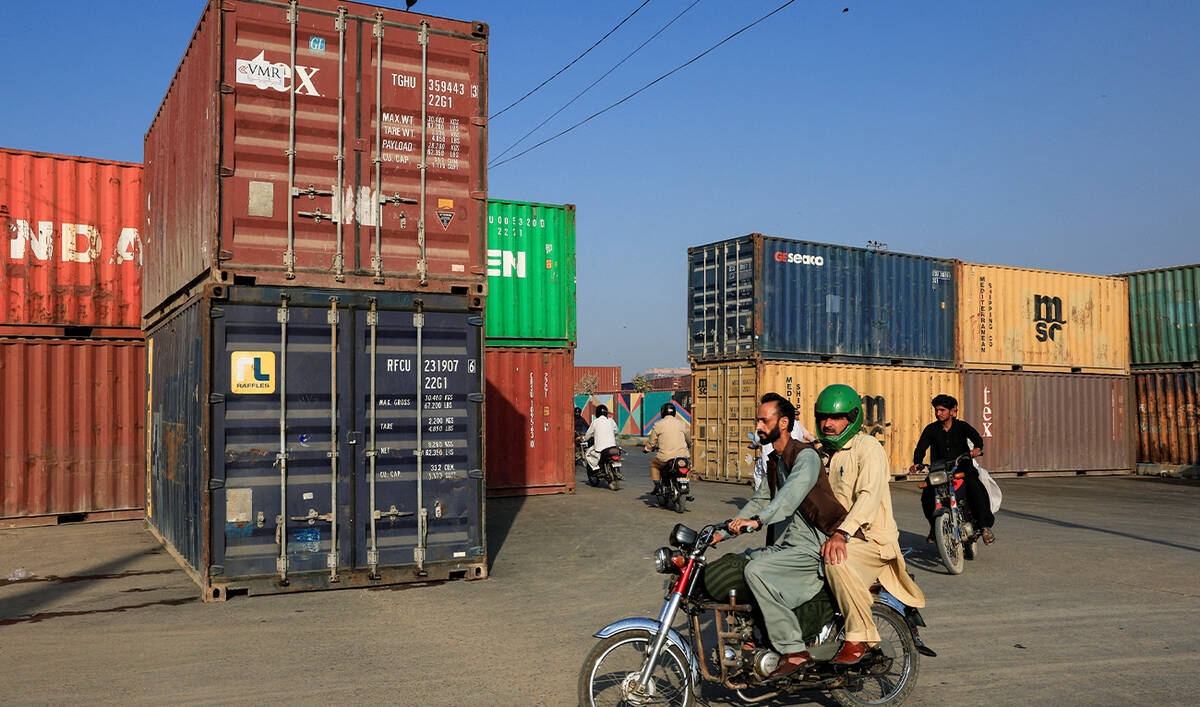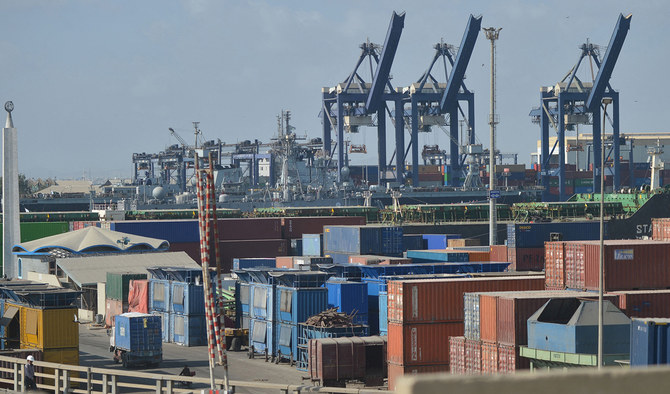

ISLAMABAD: Finance Minister Ishaq Dar on Monday assured exporters they would be given "complete facilitation" by the government in meeting export requirements as thousands of containers remain stuck at Karachi port amid a foreign exchange crisis.
Experts warn that a dire dollar crunch in Pakistan may hurt the import of essential items in the coming months and lead to a shortage of several food items. The fast-depleting forex stockpile has currently left banks refusing to issue new letters of credit for importers, hitting an economy already squeezed by soaring inflation and lackluster growth. The central bank has also restricted overseas payments and halved the amount of foreign currency that a person can carry overseas to $5,000.
A 9th IMF review to clear the release of the next tranche of funds to Pakistan has been pending since September. This week, central bank foreign reserves have fallen to to less than $6 billion — the lowest in nearly nine years — with obligations of more than $8 billion due in the first quarter alone. The reserves are enough to pay for around a month of imports, according to analysts.
The lack of foreign exchange has forced the government to limit its imports to essential goods like foods, medicines and energy.
But Dar on Monday assured the export industry of relief in the future.
“Five (previously) Zero Rated Export Oriented Sectors & all other Exporters will be given complete facilitation for import of Raw Material, Parts and Accessories to meet their Export requirements,” the finance minister said, without specifying what measures would be taken.
His tweet comes awhile shipping containers packed with lentils, pharmaceuticals, diagnostic equipment and chemicals for Pakistan's manufacturing industries are stuck in Karachi waiting for payment guarantees.
The IMF approved the seventh and eighth reviews of Pakistan's bailout programme, agreed in 2019, together in August to allow the release of more than $1.1 billion. Pakistan secured a $6 billion bailout in 2019, that was topped up with another $1 billion earlier this year.
With its dwindling reserves, the IMF programme is critical for Pakistan, which urgently need external financing to support an economy that was badly battered by devastating floods in the last monsoon season.
More than $9 billion in pledges were made by the international community for the flood recovery at a climate conference in Geneva on Monday.
Longtime ally Saudi Arabia said on Tuesday it was considering investing $10 billion in the South Asian nation of 220 million and increasing its deposits in the country's central bank from $3 billion to $5 billion. Last week, PM Shehbaz Sharif Pakistan’s said the United Arab Emirates had agreed to extend a $2 billion loan to his country and provide an additional $1 billion.
The South Asian nation's enormous national debt — currently $274 billion, or nearly 90% of gross domestic product — and the endless effort to service it makes Pakistan particularly vulnerable to economic shocks.