




Saudi Arabia’s Jazan: A promised land rich in culture and opportunity

1 / 10
Tourism is getting a boost in Jazan. Visitors can enjoy beautiful natural landscapes with a vibrant dose of local culture and heritage. (AN photos by Huda Bashatah)
2 / 10
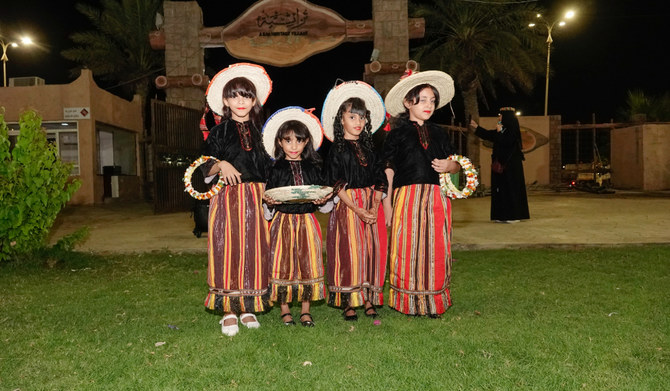
When visiting the Heritage village, the visitors are greeted by local girls who welcome them and give them a rose collar. (AN photos by Huda Bashatah)
3 / 10
(AN photos by Huda Bashatah)
4 / 10
(AN photos by Huda Bashatah)
5 / 10
(AN photos by Huda Bashatah)
6 / 10
(AN photos by Huda Bashatah)
7 / 10
Inside the cabin of the Jazan Ferry. (AN photos by Huda Bashatah)
8 / 10
(AN photos by Huda Bashatah)
9 / 10
(AN photos by Huda Bashatah)
10 / 10
(AN photos by Huda Bashatah)
Short Url
Updated 03 January 2023
Follow

Saudi Arabia’s Jazan: A promised land rich in culture and opportunity

  • The Heritage Village, meanwhile, is an important tourist attraction. During a tour of the site by an Arab News team, the village’s Director Mohammed Ali said that it was popular due to its architectural style and its cultural heritage
  • A scenic region known for its heritage, culture and hospitality welcomes all

JAZAN: Jazan province this winter is a hotbed of tourists searching for relaxation, walks through beautiful scenery, the chance to sample the region’s famous coffee — and even scouting investment opportunities in an expanding leisure industry.

A plan to build the province’s tourism economy was approved by Prince Mohammed bin Nasser bin Abdulaziz, who is in charge of the Tourism Development Council in the Jazan region. Since then, the Jazan City Track and the Farasan Islands Track were approved as tourist hiking routes.
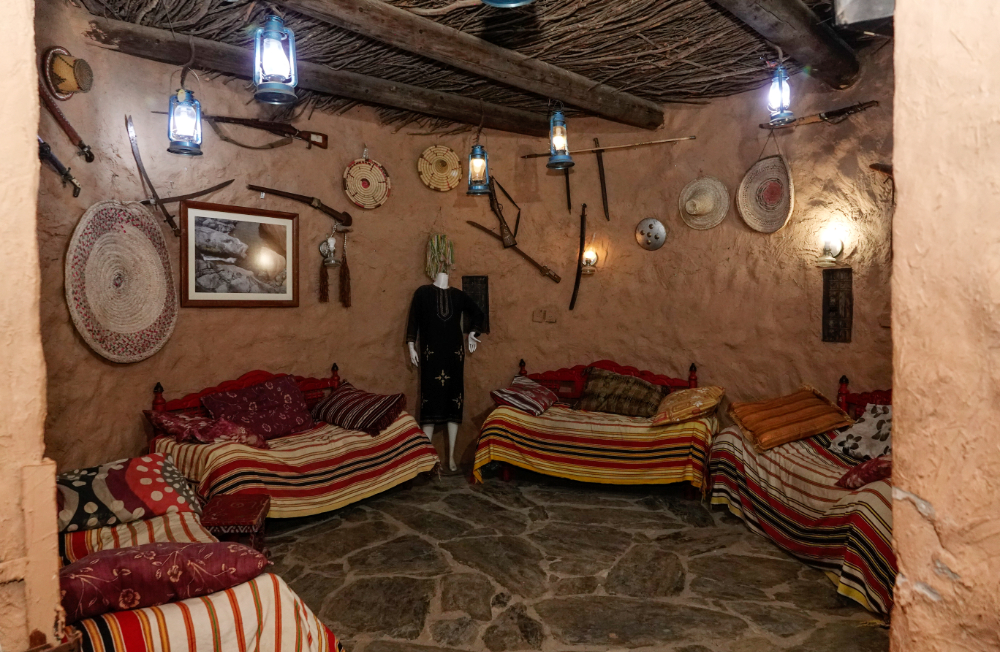


The Heritage Village, which spans 7,000 acres, showcases the rich culture of Jazan. The traditional architecture and artifacts detail the region’s historical way of life. (AN photos by Huda Bashatah)

The Heritage Village, meanwhile, is an important tourist attraction. During a tour of the site by an Arab News team, the village’s Director Mohammed Ali said that it was popular due to its architectural style and its cultural heritage.

There are several historic buildings made of stone and mud that detail the historical way of life.

HIGHLIGHTS

• The Jazan City Track and the Farasan Islands Track have been approved as tourist hiking routes.

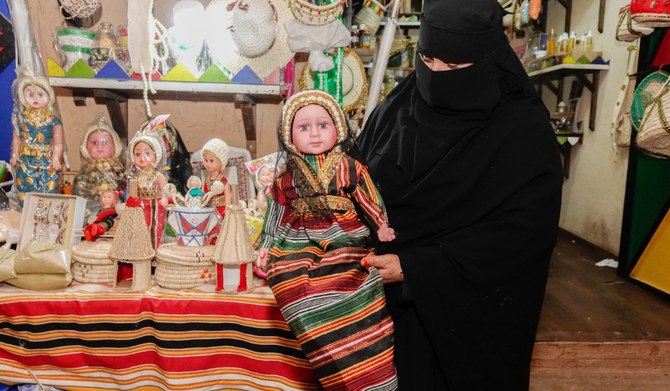
• Women of Jazan sell traditional and handmade products at the Heritage Village.

• Visitors can take a ferry to the Farasan Islands, whose reserve was included in UNESCO’s ‘Man and the Biosphere Program.’

“The Jazan region has established a name for itself globally in every sphere, be it business, development, or tourism. In the Al-Raith governorate of the Global Islands, for example, there is one of the biggest model gardens in the world,” Ali said.
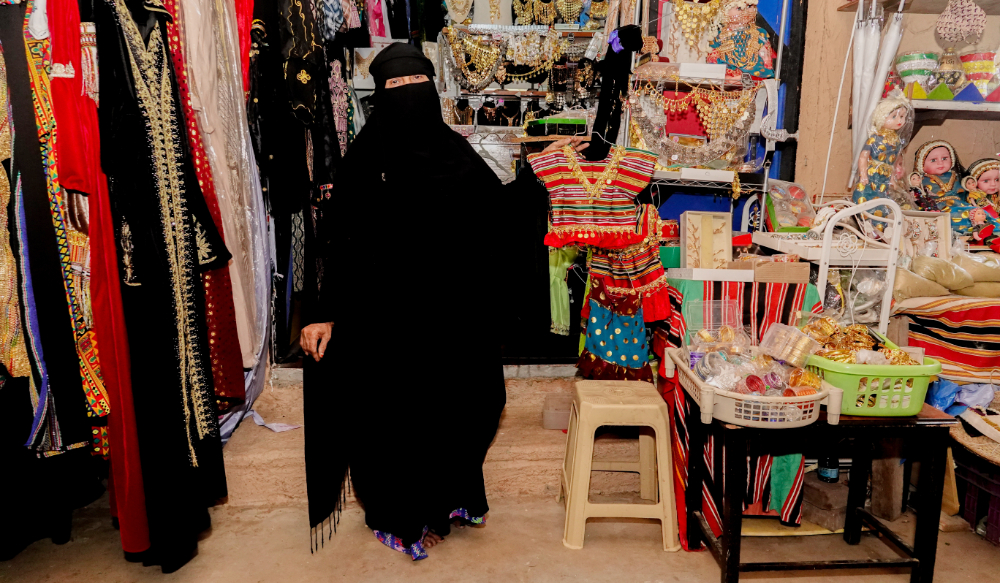


The Heritage Village, which spans 7,000 acres, showcases the rich culture of Jazan. The traditional architecture and artifacts detail the region’s historical way of life. (AN photos by Huda Bashatah)

“In the mountainous governorates, coffee is grown, which UNESCO has called one of the best products in the world.”

According to Ali, the village, which spans 7,000 acres, is where the customs and traditions of the mountains, Tihama, and maritime environments come together in one location.

In the village marketplace, local resident Hamouda Hussain is one of a number of women selling traditional products.



The first and foremost important factor that makes the Farasan group of islands unique is the presence of two important Mangrove populations, Avicennia marina and Rhizophora mucronata. (AN photos by Huda Bashatah)

“I have loved sewing since I was a child, and I am here selling my products, which are popular traditional clothes,” she told Arab News. “I also make oud mixtures and incense for the body. I see many tourists who come from everywhere to the heritage village and buy my products.

“Tourists flock more in the winter, spring break, founding day, and national day,” she added.

After visiting the village, visitors can take a ferry to the Farasan Islands, whose reserve is known for its diverse ecosystems and rare wildlife was included in the “Man and the Biosphere Program,” a UNESCO initiative.

The ferry captain’s assistant, Yousef Al-Seeni, said that nothing makes him happier than seeing visitors from all over the world come to the islands.

“We have received many tourists from around the world, and they are pleased with us because the sailing time is only an hour,” Al-Seeni said. As a result, they enjoy us as well as the view of the island and dolphins, as well as the opportunity to indulge in their favorite pastimes like diving, fishing, and a variety of sports like hiking and tasting the delectable seafood.”

Jazan and Farasan are famous for the trade in fish and pearls that are sold and exported to countries around the world due to the abundance of coastal beaches, which are rich in fish, shellfish, and seashells.


Musaned confirms mandatory salary transfers for domestic workers via official channels

Updated 12 sec ago
Follow

Musaned confirms mandatory salary transfers for domestic workers via official channels

  • Move aims to protect wage-related rights, enhance transparency

RIYADH: All employers in Saudi Arabia have been informed they must transfer domestic workers’ salaries through official channels, starting from Jan. 1, 2026.

The move, confirmed through Musaned platform’s X account, aims to protect wage-related rights, enhance transparency and simplify employer-worker relationships.

The electronic payment service provided through Musaned will use approved digital wallets and participating banks to ensure reliability, security and consistency in wage transfers.

Ministry spokesperson Mohammed Al-Rizgi told Arab News that the move “comes as part of the ministry’s efforts to develop the domestic labor sector and strengthen the rights of both employers and domestic workers.”

Lawyer Majed Garoub told Arab News that the new regulation would help tackle persistent issues in employer-worker relationships, especially disputes over unpaid wages.

He said: “This regulation will significantly help resolve many problems that arise when domestic workers leave the country without proper verification of receiving their full rights.”

Garoub explained that informal salary payments were common in the past, often made without proper documentation or signatures.

This, he added, made it challenging for Saudi employers to prove they had paid all wages if workers later filed claims after returning to their home countries.

The new regulation, which has been rolled out in stages, began with domestic workers newly arriving in the Kingdom on July 1, 2024.

It was then extended to employers with four or more domestic workers in January 2025, followed by those employing three or more by July 2025.

The latest stage, which took effect on Oct. 1, applies to employers with two or more domestic workers. This phased approach has ensured a smooth adoption of the system for all employers.

Garoub said the regulation would bring broader legal and security benefits. He explained that informal salary payments had, at times, enabled illegal practices.

He added: “Workers might have falsely claimed unpaid wages or engaged in activities outside their employment.”

Such funds, he added, could even have contributed to crimes like money laundering or the financing of terrorism.

He said: “By mandating official payment channels, this regulation protects the Saudi economy, national security, and international financial systems.”

The Musaned platform offers significant advantages for both employers and workers. Employers gain a reliable salary verification mechanism that simplifies end-of-contract and travel-related procedures, while workers benefit from consistent, secure and timely payments.

The system also allows domestic workers to transfer their earnings to family members abroad through trusted channels.

For those who prefer cash withdrawals, a Mada card will be issued for secure and convenient access to salaries.

According to Musaned, salary transfers for workers covered under the Wage Protection System must be made through authorized channels.

This regulatory change marks a significant step forward in protecting the rights of domestic workers, ensuring transparency in employer-employee relationships, and bolstering the Kingdom’s economic and security interests.