


RIYADH: Aviation in Saudi Arabia is pushing toward a sustainable model by building infrastructure for the future to deliver a seamless passenger experience, according to leading figures in the sector while speaking at the World Travel and Tourism Global Summit in Riyadh.
Picking up the threads from the universal pandemic that marred the airline industry, the sector is bolstering the infrastructure by addressing core issues such as staff shortage, health mandates and climate change concerns.
Fresh from the pandemic, the industry had to endure a hiring process that took almost 16 weeks from recruiting a skilled worker to finally deploying him or her to the job, leading to a clogged supply of staff members in the airports. The situation, however, is fast changing.
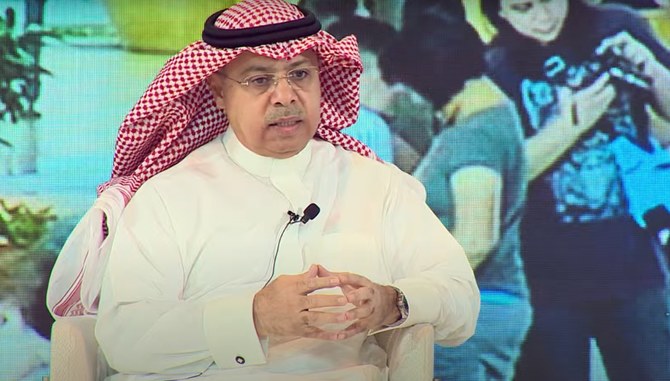
“We tried to support the airports by accelerating the training, certification and security clearance of the ground handlers and other players of the ecosystem through digitization programs that have minimized the process,” said Abdulaziz Al-Duailej, president of the Kingdom's General Authority of Civil Aviation.
The aviation authority last month also submitted the ‘Harmonizing Air Travel' policy guidelines to the UN’s International Civil Aviation Organization Council for its approval, encouraging the use of a unified health document that could alleviate traveler concerns that global travelers encountered during the universal pandemic.
There is also a concerted effort in the Saudi aviation sector to cut the dwell time or time passengers spend in the airport before boarding their flights.
NEOM Airport, for instance, is working toward developing a high-speed “green” rail system that will transfer air travelers to the city, meaning there will be no parking at the transport hub.
“Instead of focusing necessarily on the airport and being a destination, we want to facilitate getting you into the city as fast as we can,” said John Selden, CEO of NEOM Airport.
The airport is also considering using electric vertical take-off and landing aircraft, or EVTOL, to expedite the mobility of incoming passengers.
“The last two years were incredibly tough for the industry. The check-in process, which usually takes five minutes, took 20 minutes per passenger. We need to find a way to put all the passenger touchpoints together to make travel seamless,” said Luis Felipe de Oliveira, director-general of the Airports Council International, while speaking at the event.
Airports are also toying with the idea of running the infrastructure to support sustainability, which includes 100 percent green or battery-powered equipment throughout the airport expanse.
“We need to have systems where passengers don’t leave gates, and we don’t burn fuel on taxiways until we are ready for take-off. We don’t need a queue at the end of the runway,” said Pagano while sharing his vision of a green hydrogen-fueled ecosystem that will power the airports of the future.


