



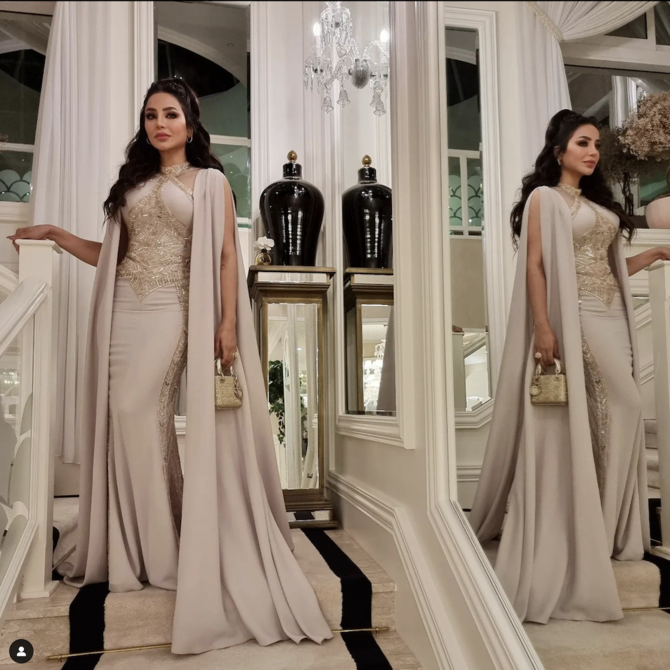
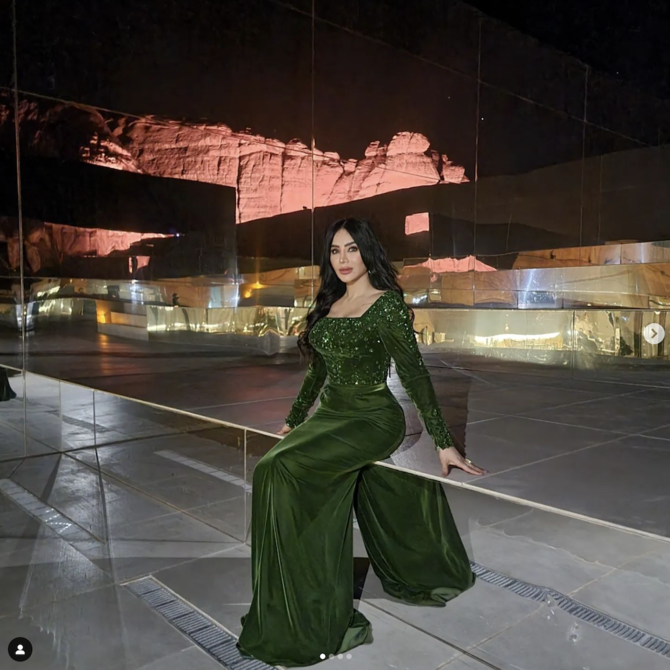

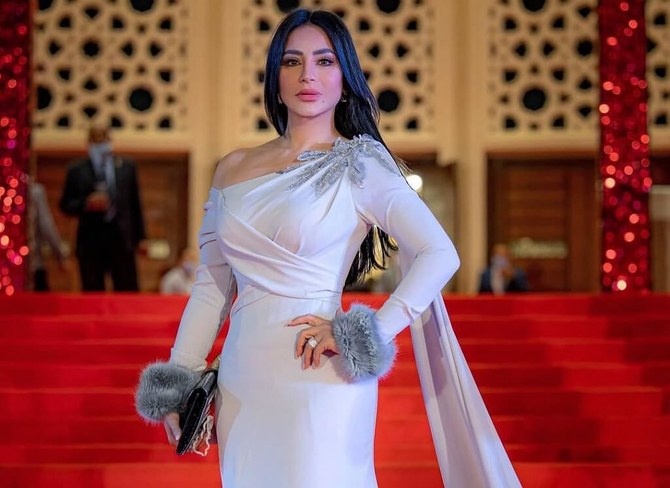

DUBAI: As the Arab world salons, Twitter spaces and cafés run abuzz with both praise and criticism of Netflix’s latest show “Dubai Bling”, one thing’s for certain so far — Saudi TV host and star Lojain Omran is the bling’s brightest.
The banker-turned-television personality began her career in Bahrain at Visa before shifting gears to the silver screen — which is where she made her mark on the world.
Following a stint of successful gigs as a host on several shows on Bahrain TV and Rotana Khalejia, Omran stood out as the familiar face the Arab world would wake up to in MBC’s Sabah Al-kheir ya Arab (Good Morning Arabs!).
While Omran’s cast mates may more suitably fit the stereotypical reality tv star, her own experience and background prove her to be the outlier. Her influence across the region has earned her the appointment of ambassador of the Mohammed bin Rashid Award for Tolerance, as well as being celebrated as 2018’s Arab woman of the year by the Arab Women’s Foundation in London.
@Lojain_omran carried herself like an absolute queen LOVE YOU HABIBTI #dubaiblingnetflix
— zeba (@fzahenna) November 6, 2022
I ADORE Lojain Omran. She exudes class and kindness on an anointed level. What a true gem, inside and out. #DubaiBling
— Nadia Bryant (@NadiaMBryant) November 3, 2022
And with other Dubai Bling-ers flaunting their lavish lifestyles and personal lives on social media, Omran has won hearts by showing how much she cares for her family members.
The show itself and many of thr show’s millionaires, however, has seen mixed reactions from critics.
One Twitter user, Khawla Al-Fahim, criticized both “Dubai Bling” and “Real Housewives of Dubai” for being “trivial” and “superficial”.
Bling Dubai + Real Housewives of Dubai ..
من ضمن البرامج الواقعية التافهه والسطحية .. عباره عن اشخاص منافقين اللي يجمعهم ببعض الفلوس .. حتى تمثيلهم فاشل ..
بس اللي يقهر ان البرامج للأسف يحملون اسم دبي ..اللي مستغني عن عمره وعن خلايا مخه يشوف البرنامج .. pic.twitter.com/JuboaPrRC5
— Khawla Al Fahim (@khawla_alfahim) October 29, 2022
Washington Post journalist Sarah Dadouch said: “Need someone to write an analytical deep dive on the addictive garbage fire that is Dubai Bling.”
need someone to write an analytical deep dive on the addictive garbage fire that is Dubai Bling pic.twitter.com/PefQ3J1JIu
— Sarah Dadouch | سارة دعدوش (@SarahDadouch) October 31, 2022
Several users took to social media to discuss their favorite and least-favorite characters.
I’m not on any side, both were in the wrong, to be fair I really like both women. However I was shocked how quickly it escalated, tensions were high & they are classy ladies but you don’t expect a cat fight like that between 2 Queens#DubaiBling
— Sharon Hodgson (@SharonKnowles6) November 3, 2022
Danya flipped a switch on Zeina in that office. The fact Danya is portraying to be the victim when it was her who showed up to Zeina’s office and be completely rude to her, throw coffee on her… but Zeina is the issues? Damn no accountability! #DubaiBling
— NFLChick (@dxoxob85) October 29, 2022
DJ Bliss, one of the people on the show, even took to Twitter to address the negative comments against some of his co-stars.
He tweeted: “There have been some false, unfounded and distasteful comments on social media about a dear friend of mine. We are lucky enough to live in a peaceful and tolerant country like the UAE. Why can’t we learn from its tolerance and rise above hateful harassment and online bullying?”
There have been some false, unfounded and distasteful comments on social media about a dear friend of mine. We are lucky enough to live in a peaceful and tolerant country like the UAE. Why can’t we learn from its tolerance and rise above hateful harassment and online bullying?
— DJ BLISS (@DJBLISS) November 1, 2022
Others compared it to reality show“Real Housewives of Dubai,” which paled in comparison to “Dubai Bling”. Of course, one way to look at is is that Dubai Bling actually has real housewives, and reflects more of Dubai’s Arab identity.
How does it compare to Dubai Real Housewives
— Sam Heller | سام هيلر (@AbuJamajem) November 1, 2022
Dubai Bling on Netflix is what the real housewives of Dubai should’ve looked like.
— Mrs Girlfriend (@DidiHermus) October 27, 2022
Others, of course, can’t get enough of it.
I love it also … please recommend something similar on Netflix
— Beryl (@Unusualberyl) October 30, 2022
#dubaibling is the sort of outlandish, exorbitant, overly dramatic rubbish i like to watch. thank you to everyone involved
— alien superstar (@ehnoouh) October 27, 2022
The whole season was CONSISTENT, episode after episode. A rare gem from Netflix. Yess we do want a season 2#DubaiBling pic.twitter.com/Gbdoglaw9W
— africanbeau (@beau_afr) October 28, 2022
Love it or hate it, one thing’s for sure: you can’t ignore it.
It’s so bad. Can’t stop watching
— Mia Alberti (@mialberti) November 1, 2022


