ISTANBUL: Russia and Turkiye have reached an agreement to deliver grain free of charge to countries in need including Djibouti, Somalia and Sudan, Turkish President Recep Tayyip Erdogan said on Friday.
Russian President Vladimir Putin "told me during our telephone conversation that we should send grain free of charge to countries including Djibouti, Somalia and Sudan. We have agreed," Erdogan said in a televised address.
"We agreed to discuss this extensively at the G20 summit" in Indonesia, he added.
"We will ensure that grain ships reach all countries in need, especially Somalia, Djibouti and Sudan, which are struggling with serious food crisis and famine."
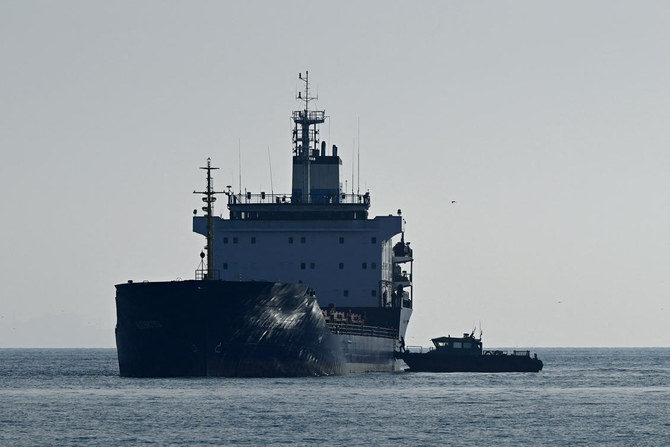
Russia returned to a grain deal this week which allows Ukrainian exports to pass through the Black Sea.
The July agreement, brokered by the UN and Turkiye, is up for renewal on November 19, three days after the G20 summit concludes in Bali.
Putin has repeatedly criticised the agreement.
On Thursday, Ukrainian President Volodymyr Zelensky said his country would not take part in the G20 if Putin attends. The Russian leader is yet to confirm whether he will or not.
One of the world's largest grain exporters, Ukraine was forced to halt almost all deliveries after Russia invaded the country on February 24.
Putin insists the grain goes mainly to European countries, rather than poorer nations.
Ukraine and European countries refute these accusations.


![]()

Russia, Turkiye to send free grain to needy countries: Erdogan
Short Url
https://arab.news/vg66c
Russia, Turkiye to send free grain to needy countries: Erdogan
- Russia returned to a grain deal this week which allows Ukrainian exports to pass through the Black Sea


Latest updates


© 2026 SAUDI RESEARCH & PUBLISHING COMPANY, All Rights Reserved And subject to Terms of Use Agreement.