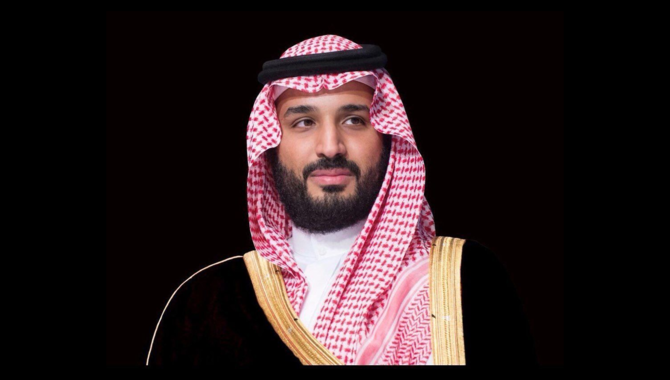
RIYADH: Saudi Arabia’s Crown Prince Mohammed bin Salman on Tuesday launched the National Industrial Strategy, which aims to drive growth in the sector and increase the number of factories to about 36,000 by 2035, the Kingdom’s state news agency reported.
The strategy also aims to reach an industrial economy that attracts investment and contributes to achieving economic diversification, developing domestic product and non-oil exports, in line with the objectives of the Saudi Vision 2030.
“We have all the capabilities to reach a competitive and sustainable industrial economy, including ambitious young talents, a distinguished geographical location, rich natural resources, and leading national industrial companies,” SPA quoted the crown prince as saying.
“Through the national industry strategy and in partnership with the private sector, the Kingdom will become a leading industrial power that contributes to securing global supply chains, and exporting high-tech products to the world,” he added.
The strategy focuses on 12 sub-sectors to diversify the industrial economy in the Kingdom, while identifying more than 800 investment opportunities to constitute a new chapter of sustainable growth for the sector.
Saudi Arabia is seeking to triple manufacturing GDP by 2030, increase the industrial exports value to SR557 billion riyals ($148.34 billion), increase the total additional investments in the sector to SR1.3 trillion, increase exports of advanced technology products by about six times, and create tens of thousands of high quality jobs.
Through the strategy, the Kingdom is seeking to empower the private sector, increase the flexibility and competitiveness of the industrial sector, lead the regional industrial integration of value chains, benefit from the strength of the Saudi economy, and achieve global leadership in a group of selected commodities, by investing in promising new technologies.
The Kingdom has developed a governance model for the industrial sector by forming the Supreme Committee for Industry, headed by the crown prince, who will supervise the development of the sector. The country has also formed the Industrial Council with the private sector, to ensure the participation of industrial investors in decision-making and policy development.
The Kingdom’s industrial sector is based on solid industrial foundations and successes built over 50 years, as it contributed to adding more than SR340 billion to GDP, and provided many jobs and entrepreneurship opportunities in various industrial fields.
The leading national industrial companies have also contributed to placing the Saudi industry in among the most advanced industries regionally and globally, as the Kingdom is currently the fourth largest manufacturer of petrochemical products in the world, while its industrial outputs contribute to supplying global supply and manufacturing chains, which are involved in the production of many of industries.


![]()

Saudi crown prince launches national industry strategy
Short Url
https://arab.news/ynprz
Saudi crown prince launches national industry strategy
- Number of factories to increase to about 36,000 by 2035
- Prince Mohammed will oversee the development of the industrial sector as chair of the supreme industrial committee


Latest updates





© 2026 SAUDI RESEARCH & PUBLISHING COMPANY, All Rights Reserved And subject to Terms of Use Agreement.