



PARIS/DUBAI: Iranian activists called for fresh nationwide protests over the death of Mahsa Amini, as the movement entered a fifth week on Friday despite a crackdown that has killed dozens.
But Iran Supreme Leader Ayatollah Ali Khamenei said that no one should dare think they can uproot the Islamic Republic.
Khamenei compared the Islamic Republic to an unshakeable tree. “That seedling is a mighty tree now and no one should dare think they can uproot it,” he said on state TV.
Outrage over the 22-year-old Mahsa Amini’s death on September 16, three days after she was arrested by Iran’s notorious morality police, has fueled the biggest wave of street protests and violence seen in the country for years.
Young women have been on the front line of the protests, shouting anti-government slogans, removing their headscarves and facing off with security forces in the streets.
At least 108 people have been killed in the Amini protests, and at least 93 more have died in separate clashes in Zahedan, capital of the southeastern province of Sistan-Baluchestan, according to Oslo-based group Iran Human Rights.
The unrest has continued despite what Amnesty International called an “unrelenting brutal crackdown” that included an “all-out attack on child protesters” — leading to the deaths of at least 23 minors.
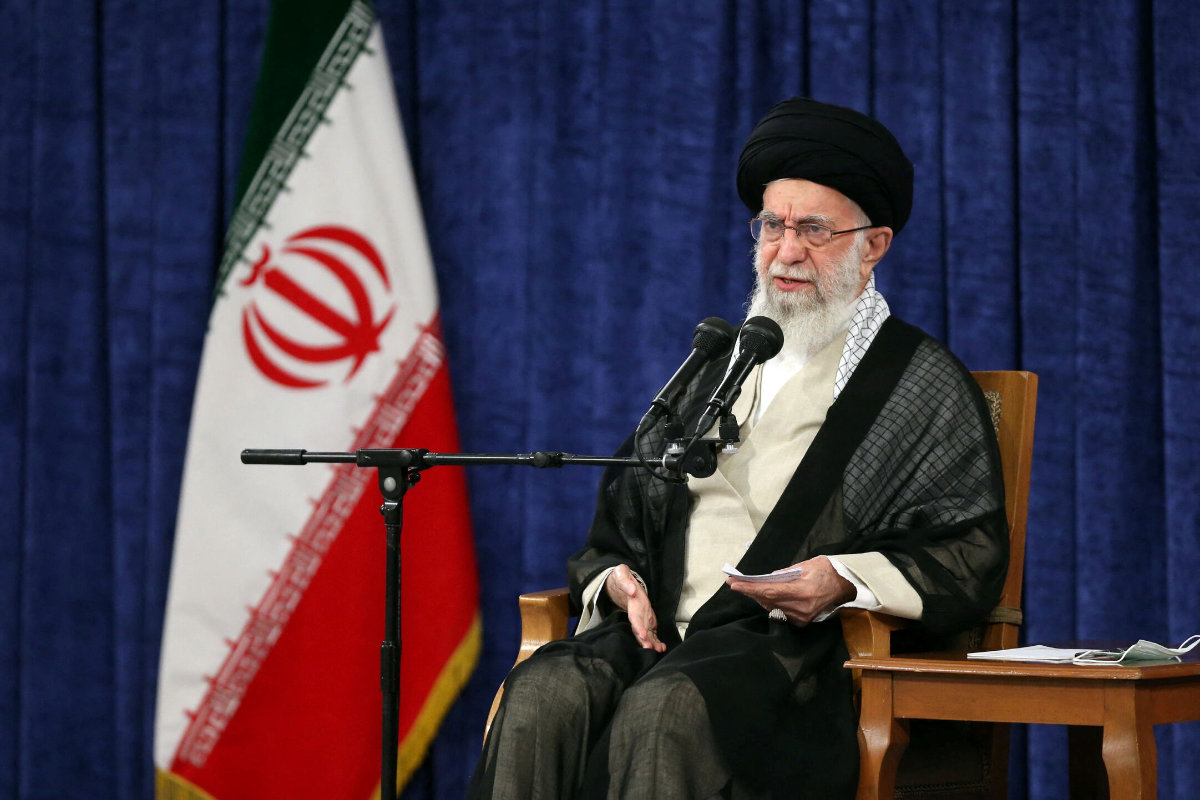
Iran's Supreme Leader Ayatollah Ali Khamenei. (WANA handout via Reuters)
There were fewer reports of people taking to the streets over Amini’s death on Friday, but hundreds of men were seen protesting after weekly prayers in Zahedan, in online videos verified by AFP.
Despite blocked access to Internet services and platforms like Instagram and WhatsApp, activists issued an online appeal for a huge turnout on Saturday for protests under the catchcry “The beginning of the end!.”
They have called on people across Iran to show up at spots where the security forces are not present and to chant “Death to the dictator.”
“We have to be present in the squares, because the best VPN these days is the street,” they declared, referring to virtual private networks used to skirt Internet restrictions.
In response, one of Iran’s main revolutionary bodies, the Islamic Development Coordination Council, has called on people to join a counter-demonstration after evening prayers on Saturday to “express their revolutionary anger against sedition and rioters.”
The bloody crackdown has drawn international condemnation and new sanctions on Iran from Britain, Canada and the United States.
Khamenei has accused the country’s enemies, including the US and Israel, of fomenting the “riots.”
On Friday, his government condemned French President Emmanuel Macron for remarks in which he expressed solidarity with the protests sparked over Amini’s death.
Foreign ministry spokesman Nasser Kanani said Macron’s remarks served to encourage “violent people and law breakers.”
He said it was “surprising” that France was condemning Iran’s security forces for dealing with “violent people and rioters” when it was threatening to use force in response to “labor strikes in the oil and gas sector” at home.
“This is clear hypocrisy,” he said.
Also on Friday, US Secretary of State Antony Blinken hailed the mass protests in Iran as he met activists originally from the Islamic republic.
Blinken praised the “remarkable displays of courage throughout Iran as women, young people and many others continue to stand up for the fundamental rights that continue to be denied them by the Iranian regime.”
This week, a call went out to “retirees” of the Islamic Revolutionary Guard Corps for them to gather on Saturday given “the current sensitive situation,” according to a journalist at Shargh newspaper.
In response to the protests, the security forces have carried out a campaign of mass arrests that has netted young activists, journalists, students and even minors.
Schoolchildren have been arrested inside classrooms and ended up in “psychological centers,” Education Minister Yousef Nouri said this week, quoted by Shargh.
In a rare show of accountability, the Tehran police department said Friday that it will investigate the conduct of an officer following allegations of harassment during the arrest of a woman protesting Amini’s death.
It came after a video showed a male officer appearing to grope the woman from behind while arresting her, before she was eventually allowed to leave.
Some voices of support for the protesters have come from inside the country.
In an open letter published on its front page on Thursday, reformist newspaper Etemad called on Iran’s top security official, Ali Shamkhani, to stop arrests being made under “pretenses that are sometimes false.”
The Iranian authorities have organized their own rallies attended by women clad in black chadors, garments that cover their heads and bodies.
A bid to show they had the support of famous women unraveled overnight, after a photomontage of dozens wearing the hijab disappeared from a Tehran billboard within 24 hours of being erected as it featured some personalities known to oppose the headscarf.


