

Snap shows power of AR in transforming fashion, beauty in Saudi Arabia

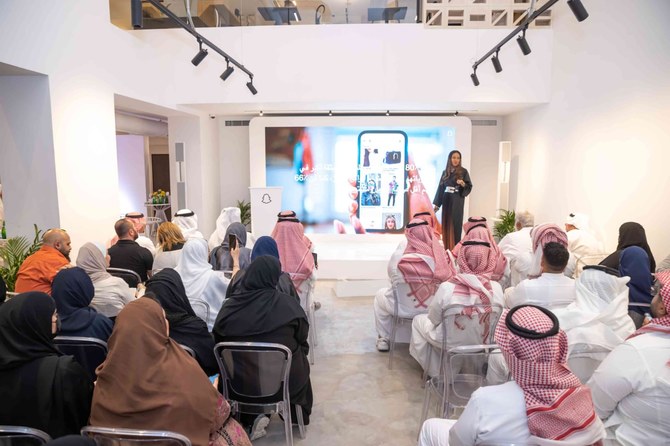
Snap Inc. revolutionized the fashion and beauty sectors in the Kingdom of Saudi Arabia by hosting an Augmented Reality (AR) event on October 6 in Riyadh in Lakum Artspace and showcasing the various tools on the app that can improve the customer journey. (Suuplied)
Short Url
Updated 08 October 2022
Follow

Snap shows power of AR in transforming fashion, beauty in Saudi Arabia

RIYADH: Snap Inc. showcased the power of augmented reality to transform fashion and beauty in the Kingdom through a variety of exclusive try-on experiences and immersive tech features.

The company hosted an AR event on Oct. 6 in Riyadh in Lakum Artspace, demonstrating how various tools on the app could improve user experience.

Zainab Hawsawi, head of communications for Snap in Saudi, told Arab News: “This event shows how the AR technology that Snap uses is enabling fashion and beauty.”

She added: “Snap is a company that cares about diversity and inclusion, and we are opening an office here soon, so hiring local talent is very important.”

Shouq, a fashion and beauty influencer, had the chance to explore the AR features and discover how the technology is changing the way consumers shop, browse products and engage with try-on experiences.

“I’m so happy that Snapchat is opening an office in Saudi. It’s nice that we, as influencers, can communicate in depth with the company, and they can help us improve our experience,” Shouq told Arab News.
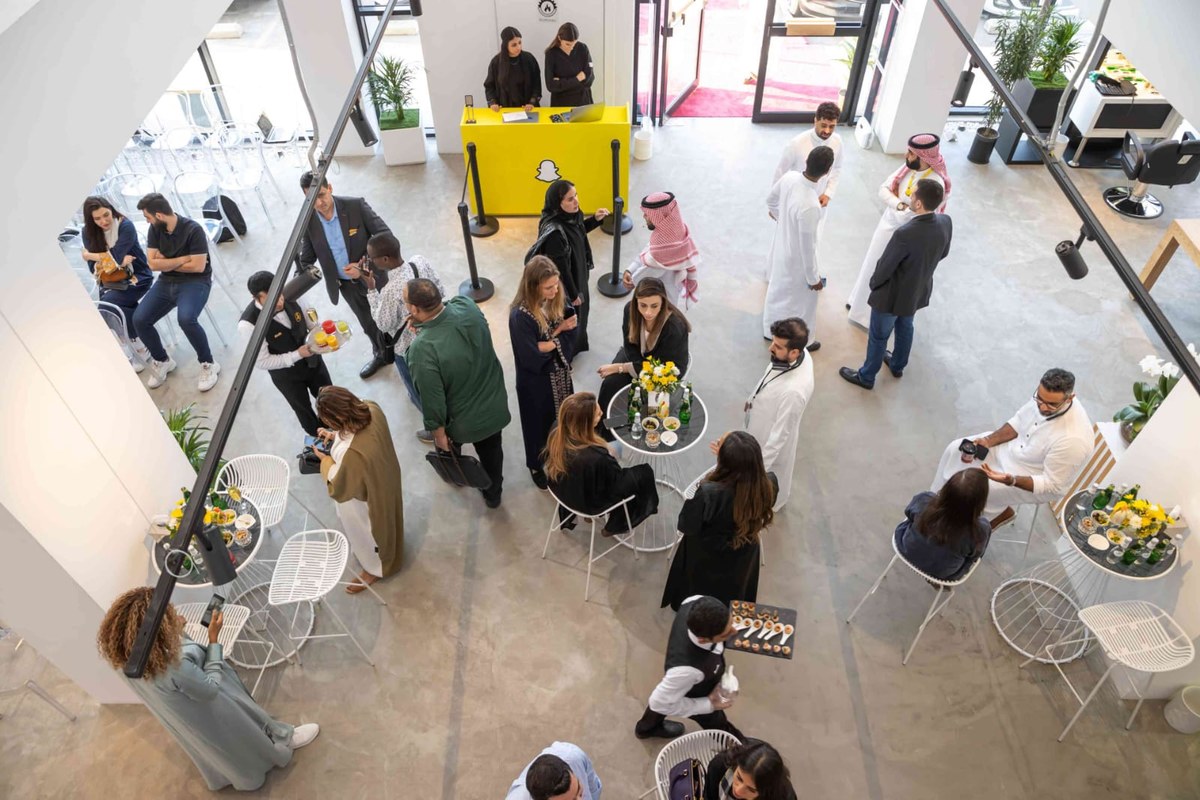
Attendees had the chance to try on new outfits without having to change their clothes using brand-new 2D try-on standing mirrors. Simply touching the Snapcodes on the mirrors, they were able to access a lens that instantly changed their appearance.

The top makeup brands’ glamorous beauty lenses were available for guests to interact with at a special makeup station, where a makeup artist was on hand to simulate their AR look in real time.

By taking a full-body selfie, Snapchat users can try on various outfits from the comfort of their homes using this groundbreaking technology.

Abdulla Al-Hammadi, regional business lead for the KSA market at Snap Inc., said: “Our technology has transformed the way people can interact with fashion and beauty. Snapchat has a unique and highly engaged community of content creators in the Kingdom, with a monthly addressable reach of 20 million users. Through AR technology, we’re giving our community the opportunity to enter a world where online shopping is focused more on the consumer and not the product.
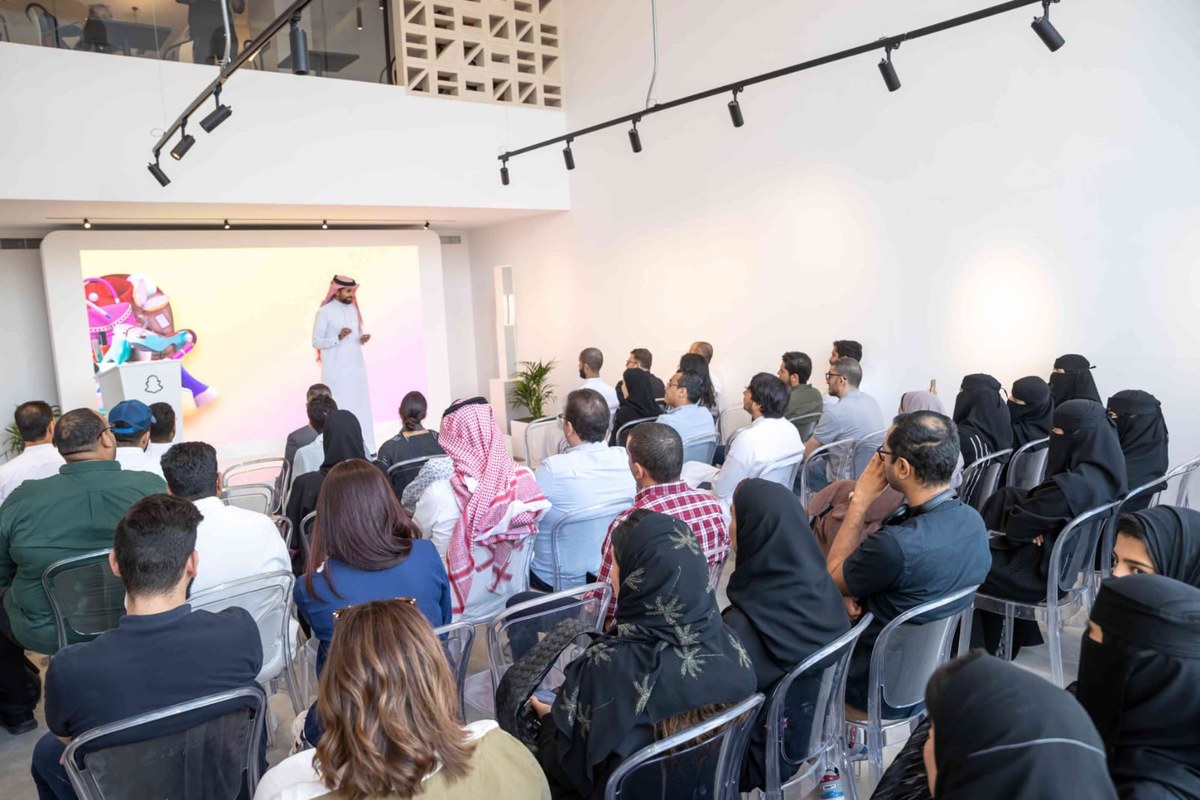
“Businesses also have an unmatched opportunity to utilize our AR features to tap into new audiences and increase their reach, helping them push their creative boundaries and drive real sales. We’re pleased to have had the chance to welcome the press, businesses, as well as Snap Stars to be among the first to interact with our immersive try-on experiences and learn about the future of shopping through Snapchat.”

Over 90 percent of 13 to 34-year-olds in Saudi Arabia have access to Snapchat, giving businesses the chance to share their products through AR with a wide audience.

A study commissioned by Snap and carried out by Deloitte Digital predicts that by 2025, nearly all Saudi Arabia’s Gen Z and Millennial populations will be frequent AR users.


Pakistan, Saudi Arabia explore joint investment push in high-growth regions

Updated 29 min 10 sec ago
Follow

Pakistan, Saudi Arabia explore joint investment push in high-growth regions

  • Both sides discuss combining Pakistan’s production capacity with Saudi capital and regional market access
  • Government says Saudi side expressed interest in corporate farming in Pakistan, particularly in rice sector

KARACHI: Pakistan and Saudi Arabia are looking to jointly tap high-growth regional markets and align production and capital strengths, according to an official statement on Wednesday, following talks between Commerce Minister Jam Kamal Khan and Saudi Investment Assistant Minister Ibrahim Al-Mubarak in the Kingdom.

The two countries have long maintained close bilateral ties that have evolved into a multidimensional strategic partnership.

In October last year, the two countries launched an Economic Cooperation Framework aimed at shifting relations beyond aid toward sustainable trade, investment and development links. The framework followed the signing of a joint security agreement a month earlier, under which aggression against one would be treated as an attack on both.

“A key focus of the discussion was the joint exploration of regional markets, particularly Central Asia, Africa, and ASEAN, identified as high-growth regions offering significant opportunities for collaboration,” according to a statement circulated by Pakistan’s commerce ministry after the meeting.

“The two sides agreed that Pakistan and Saudi Arabia, by leveraging their respective strengths, can position themselves as complementary partners — combining Pakistan’s production capabilities with Saudi Arabia’s capital strength, market access, and regional connectivity,” it added.

The Saudi side expressed interest in corporate farming in Pakistan, particularly in the rice sector, with discussions covering mechanization, storage and logistics to enable consistent, long-term exports under structured arrangements.

Talks also covered broader cooperation in agriculture and food security, including rice, fodder, meat and other agri-products, with the potential involvement of Saudi financing institutions in supporting export-linked agricultural and infrastructure projects.

Corporate farming and mechanization were discussed as long-term solutions to productivity challenges in crops such as cotton, where declining yields and high manual input costs have hurt competitiveness, the statement said.

Human resource development emerged as another area of focus, with both sides noting shortages in mid-tier skills such as nurses, caregivers, technicians and hospitality staff.

The Saudi side expressed openness to replicating vocational “train-to-deploy” models in Pakistan that link training programs directly with overseas employment opportunities.

The meeting also examined opportunities in building materials, pharmaceuticals, sports goods, footwear and light manufacturing, with both sides agreeing to pursue sector-specific workshops and business-to-business engagements to translate policy alignment into tangible trade and investment flows.