


JEDDAH: Movie lovers can look forward to screenings of restored versions two classics of Egyptian musical cinema during the second Red Sea International Film Festival in Jeddah in December.
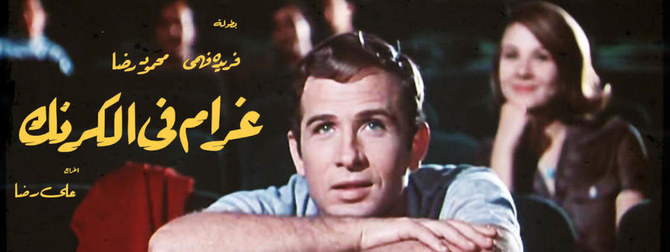
In collaboration with the Arab Radio and Television Network, the Egyptian Ministry of Culture’s investment holding company for cinema, and Media Production City in Egypt, the festival will showcase on the big screen for an international audience 1972’s “Khali Balak min Zouzou” (“Watch Out for Zouzou”) and 1967’s “Gharam fil Karnak” (“Love in Karnak”).
Mohammed Al-Turki, the CEO of the Red Sea International Film Festival, told Arab News: “Today, our accomplishment is two gems richer with ‘Watch Out for Zouzou’ and ‘Love in Karnak,’ films that do not only represent major milestones in the history of Egyptian cinema but stand as shining testaments to the brilliance of great artists such as the ‘Cinderella of Egyptian Cinema,’ the late (actress) Soad Hosny, and the multi-talented performer, Mahmoud Reda.”
Reda, who died in 2020, was an iconic Egyptian choreographer and the creative mind behind fantastical dance routines in a number of films, including “Agazet Nus El-Sana” (“Mid-term Vacation”) and “Harami El-Waraqa” (“The Lottery Ticket Thief”).
Antoine Khalife, RSIFF’s director of Arab Programs and Film Classics, told Arab News: “We wanted to pay homage to the great choreographer Mahmoud Reda, who died during the (pandemic) period, and the restoration of ‘Gharam fil Karnak’ is a love letter from the Red Sea for this exceptional artist who made contemporary Egyptian dance shine throughout the world.”

In “Love in Karnak,” Reda’s dance sequences are key to the plot as a group of young dancers try to hit the big time in the entertainment industry while struggling to make ends meet. Meanwhile, lead dancer Amina and the troupe’s director, Salah, start to develop romantic feelings for each other, which results in a series of misunderstandings that complicates matters for everyone.
The film is widely acclaimed for the position it holds in the history of Arab filmmaking and so its restoration and screening at the festival is intended to serve as a tribute to its creators and performers, an inspiration to aspiring filmmakers, and a demonstration of the vibrancy and prominence of the Arab film industry through the years.
“The preservation of film heritage has been at the heart of the Red Sea Film Festival since its first year,” Kalife said. “We started by restoring the films of (Saudi photographer and cinematographer) Safouh Naamani and then we worked to highlight the work of important filmmakers such as Khairy Beshara, Youssef Chahine and Raafat El-Mehy.”
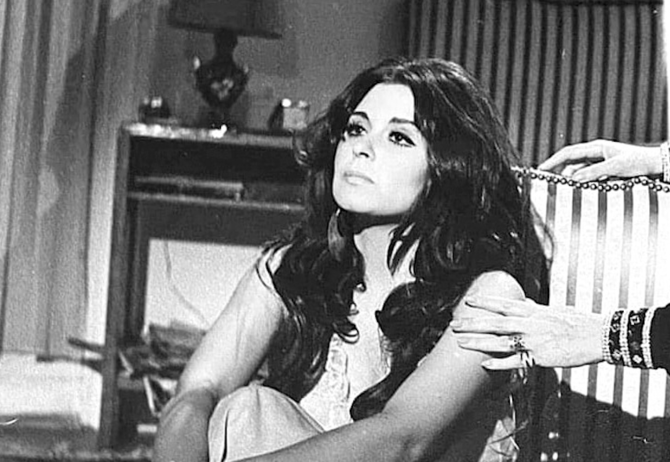
“Watch out for Zouzou,” which will have a 50th anniversary screening at the festival, is a love story laced with underlying social commentary that stars Hosny, who was one of the most beloved actresses in the Arab world.

She stars as Zouzou, who seems to have it all: The grades, the social popularity and the intelligence. However, her true passion is performing and so she practices her craft in the evenings as she sings and dances for her mother’s friends at private parties.
Considering the scandalous nature of her job in 1970s Egypt, she tries to keep her life as a performer a secret from her peers. This seems to be working out until she falls for a new, and engaged, university lecturer who teaches the theatrical arts. The situation becomes ever-more complicated when his fiance learns of the blossoming romance.
The film became one of the highest-grossing Arab films in history and made stars of its lead pairing, Hosny and Hussein Fahmy, while the music, by Salah Jaheen and Kamal El-Tawil, is sure to spark feelings of nostalgia in audiences who see the restored version of the film, reflecting the timeless love for Arab and Egyptian cinema.
“For this year, we could not miss ‘Khali Balak men Zouzou,’ a film produced just 50 years ago that has left an exceptional impact on generations, and not only because of the magnificent songs and the sublime Soad Hosny but, above all, because of the modernity in which the story was created,” Khalife said.
Al-Turki, who is a film producer in his own right, highlighted the importance of film restoration projects in preserving Arab culture and creativity.
“This initiative was taken by the Red Sea Film Festival Foundation to confirm our commitment and sense of responsibility toward preserving this precious cinematic heritage, and in recognition of its importance in shaping the memory and awareness of cinephiles,” he said.
“By resurrecting them and passing them on to new generations of artists and filmmakers, we can all learn from these restored masterpieces, enjoy them anew in light of modern restoration techniques and even rejuvenate our inspiration, evolving our plans for the art of cinema.
“This gesture didn’t solely come with cinematic goals in mind but cultural as well. The arts, cinema included, are mirrors of societies and in their restoration lies the preservation of heritage and the revival of civilizations and the building blocks of their identities.”
The restored Egyptian classics are part of a yet-to-be-announced program of regional and international films that will screen during the festival in Jeddah between Dec. 1 and Dec. 10. Organizers said it will include a retrospective program celebrating leaders in the industry, introduce audiences to local and international emerging voices, and aims to further cultural discourse and exchanges through film competitions, masterclasses and workshops.


