



DUBAI: Google on Wednesday announced a host of updates and improvements to its Search, Maps and Shopping services.
The enhancements, announced during the company’s annual Search On virtual event, are “just the start of how we’re transforming our products to help you go beyond the traditional search box,” said Prabhakar Raghavan, a senior vice president at Google.
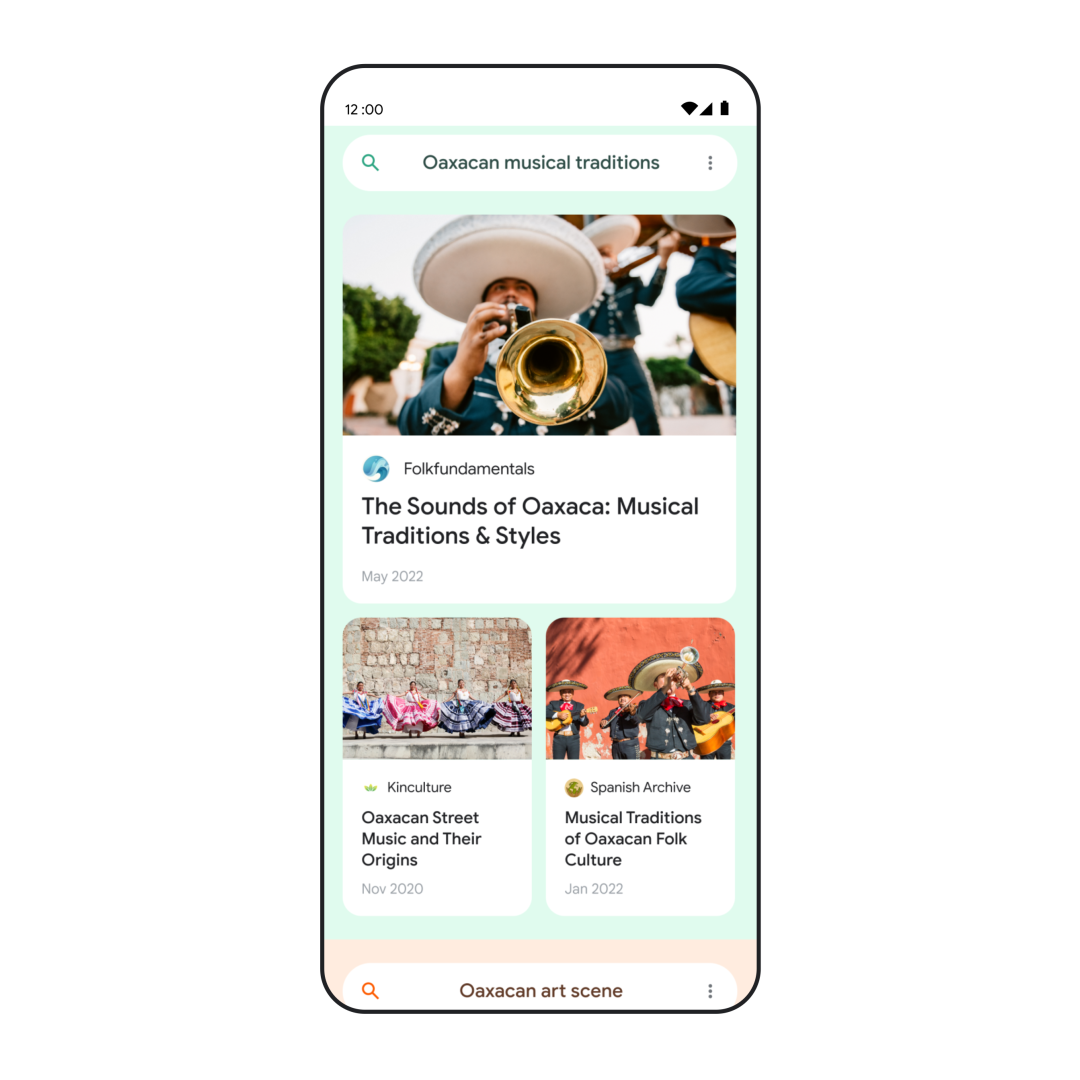
Some of the biggest updates are to Google Search, including multisearch, which enables users to search using text and images simultaneously. First introduced in beta mode in the US, it is now available in English worldwide and is being rolled out in 70 other languages.
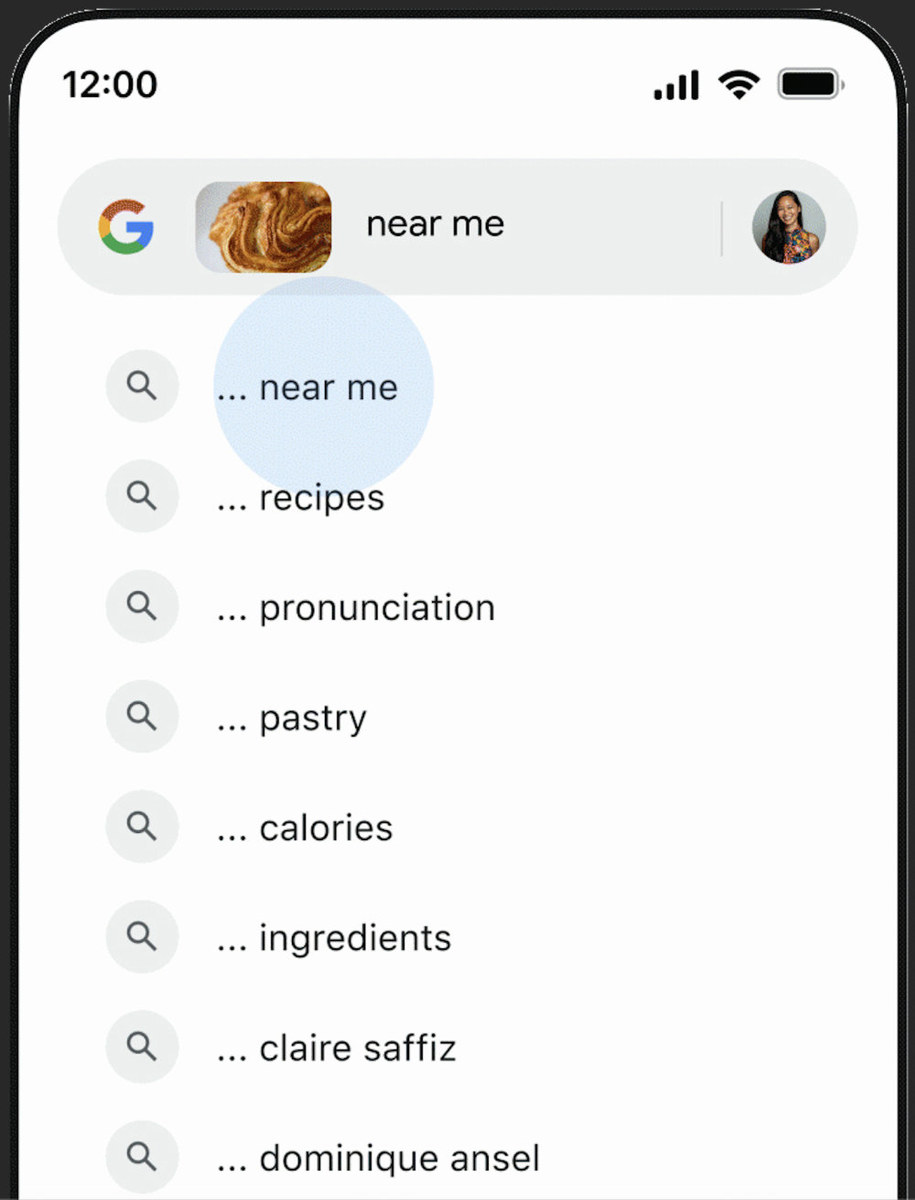
Google will also introduce, initially only in the US, “multisearch near me,” which allows users to take photos of items and search for suppliers near them.
Every month, people use Google to translate text contained in images more than a 1 billion times across more than 100 languages, said Cathy Edwards, Google’s vice-president and general manager for Search.
“With major advancements in machine learning, we’re now able to blend translated text into complex images so it looks and feels much more natural,” she added. This improved experience will launch later this year.
In addition, shortcuts will be placed under the search bar that make it easy for users to shop their screenshots and translate images of text taken with their camera, among other things. This initially will be available on the Google app for iOS.
Google said its research has found that 40 percent of people already have a dish in mind when they search for food, so to help people find exactly what they are looking for, users will soon be able to search for any dish and find local establishments that have it on the menu.
These and other features, such as continuous scrolling, are designed to improve the search experience for users by making it quicker and more intuitive, the company said.
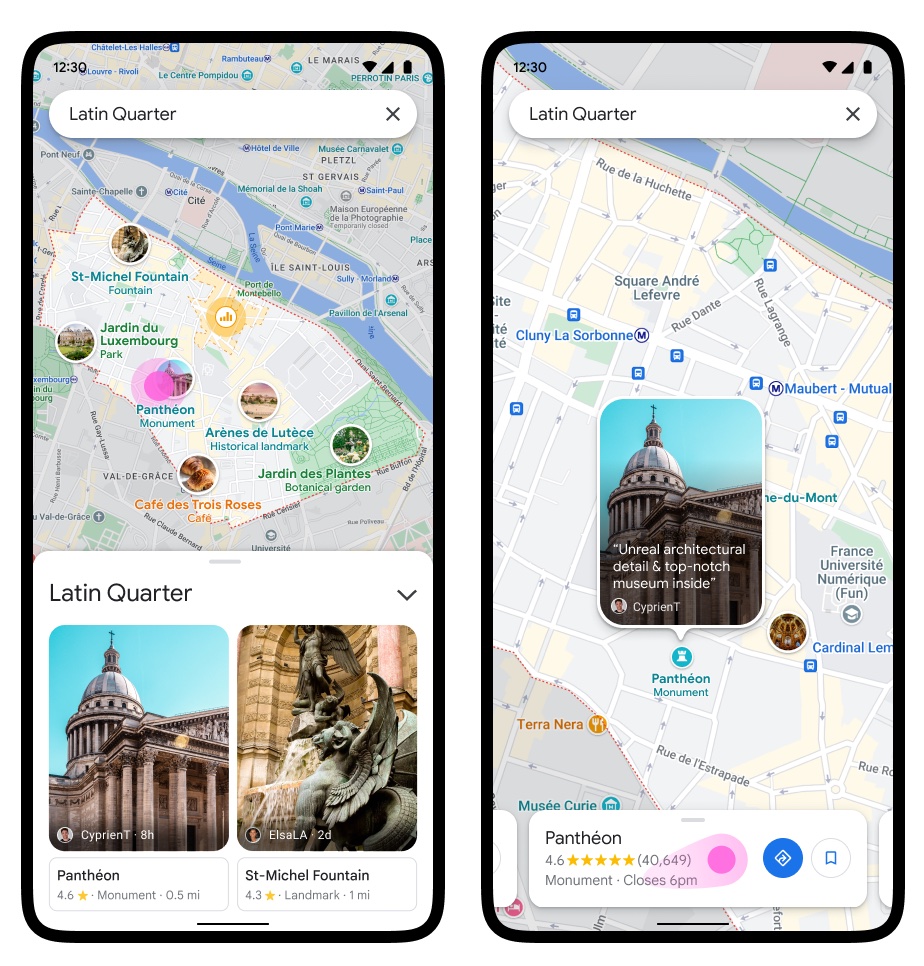
Improvements to Google Maps include new features such as a “neighborhood vibe check,” which will highlight popular landmarks and hot spots in a given area. The information will be based on a combination of artificial intelligence and photos and reviews uploaded by Google users.
This year, Google introduced Immersive View, which provides multi-dimensional views of an area along with information about the weather, traffic and businesses. Building on this feature, the company is launching more 250 photorealistic aerial views of global landmarks such as the Tokyo Tower and the Acropolis of Athens.
Using predictive modeling, Immersive View automatically learns and uses the historical trends for a location to determine what it will be like in the future. This means that users can search for additional information about each landmark, such as weather, nearby restaurants and parking, on specific future dates.
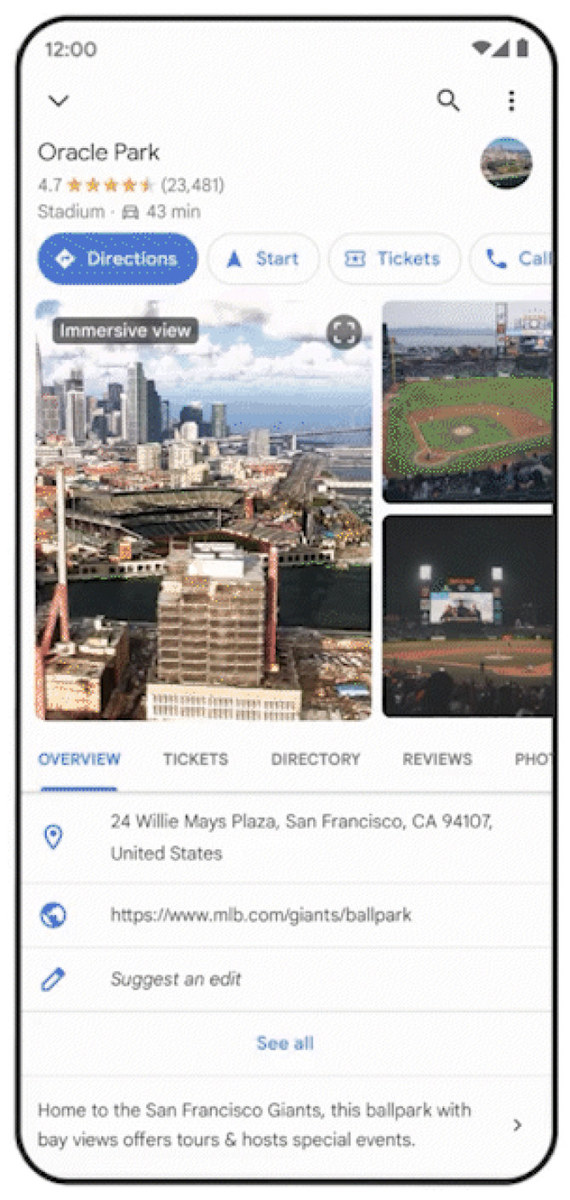
Neighborhood vibe check will be rolled out globally in the coming months while Immersive View will be launched in Los Angeles, London, New York, San Francisco and Tokyo on iOS and Android devices.
Other improvements to Maps include the expansion of the Live View search feature, and of eco-friendly routing to third-party developers.
The growth of online shopping in the past two years has resulted in many digital and social platforms creating tools designed to make the buying experience more seamless. Google is no exception, after launching almost 10 new features at this year’s event.
Most of them will only be available in the US at first and are aimed at enabling shopping from within Google products. For instance, users can choose to “shop the look,” with Google offering suggestions on complementary pieces in an outfit within Search.
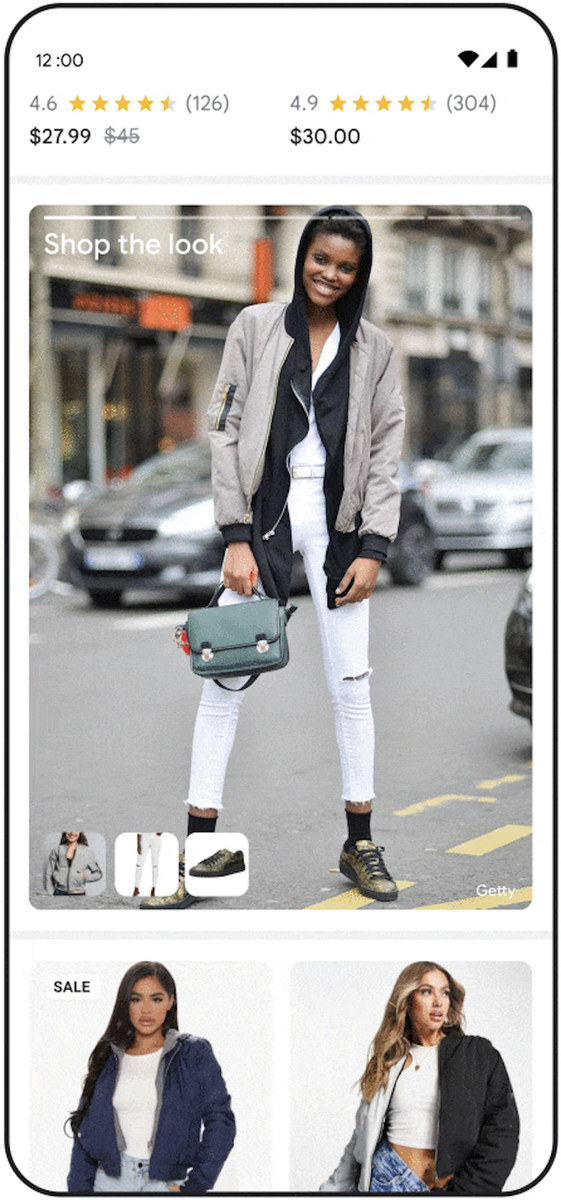
Other features include trending products, 3D images, buying guides, new filters, page insights, and a “discover” section in the Google app that features shoppable styles and looks.
The updates aim to make the shopping experience on Google more intuitive, fun and easier, according to Lilian Rincon, senior director of product, shopping.
“Regardless of where you end up buying, these tools can help you find what you want more quickly and maybe even discover the next thing you’ll love,” she added.


