LONDON: Protester death figures in Iran are being distorted by the country’s regime to cover up the use of excessive force by security services, The Independent has reported.
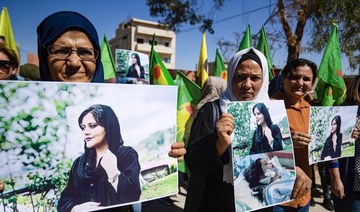
The country has faced almost two weeks of protests nationwide — with Kurdish regions in the west witnessing the most violent clashes — in the wake of the death of 22-year-old Mahsa Amini.
Amnesty International researcher Mansoureh Mills told The Independent that the real figure of protesters who have been killed is higher than numbers reported by state TV, “given the horrific level of violence being perpetrated by the security forces.”
Mills added: “The Iranian authorities have a pattern of distorting the truth to cover up their human rights violations. Following the November 2019 protests, during which security forces killed hundreds of men, women and children, the authorities consistently denied any responsibility.
“They continued to cover up the real death toll of people killed during the November 2019 protests, and publicly praised security and intelligence forces for their role in the crackdown.”
Rothna Begum, senior researcher at Human Rights Watch’s women’s rights division, told The Independent: “The true numbers of people killed are likely to be higher than what state media are reporting but even official numbers are far too high for deaths during what are largely peaceful protests.
“The authorities must refrain from excessive use of force and investigate all deaths that have taken place during the protests.”
Mills said: “We have also received reports of women’s rights defenders being arrested while protesting for women’s rights over the past week. This is something that we are investigating.”
The Iranian regime resorts to “arbitrarily arresting journalists, political activists and human rights defenders to silence any form of public dissent or reporting and criticism of the human rights violations they are committing,” Mills added.
The regime must “urgently repeal laws and regulations that impose compulsory veiling on women and girls, perpetuate violence against them and strip them of their right to dignity and bodily autonomy.
“The policing of women’s bodies and lives in Iran is not restricted to their clothing choices. However, it is the most visible and one of the most egregious forms of the wider oppression of women and it stokes violence against them on a daily basis.”
More than 1,200 protesters have been arrested since Amini’s death, with the nationwide demonstrations being Iran’s largest in almost three years.