

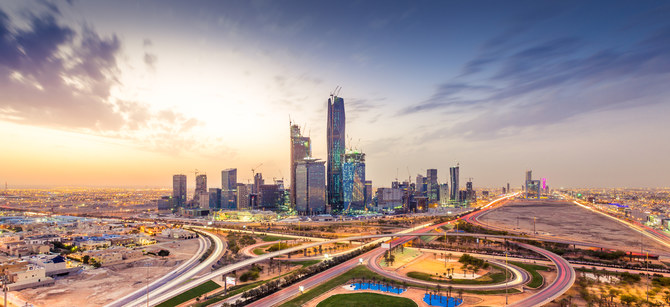

RIYADH: The demand for residential housing units in Riyadh continues to grow despite the recent pandemic-infused slowdown, according to KPMG, citing a rise in population together with increasing urbanization driving demand in the first half of 2022.
In its "Riyadh Real Estate Market Overview" report, the global accounting firm noted that the average selling rate for residential properties in Riyadh stood at SR3,865 ($1,027) per sq.m in the first half of 2022.
It further revealed that the average residential rental rate in the Kingdom’s capital was SR263 per sq. m in the same period.
The report further noted that 60.6 percent of Saudi households own villas, while 33.5 of them own apartments.
On the contrary, 78 percent of non-Saudi households own apartments, while 6 percent of them own villas.
“The residential market remained resilient during the pandemic which can be attributed to strong demand fundamentals and has witnessed a positive trend in KPIs in the first of 2022,” said Rani Majzoub, head of Real Estate Advisory at KPMG Professional Services.
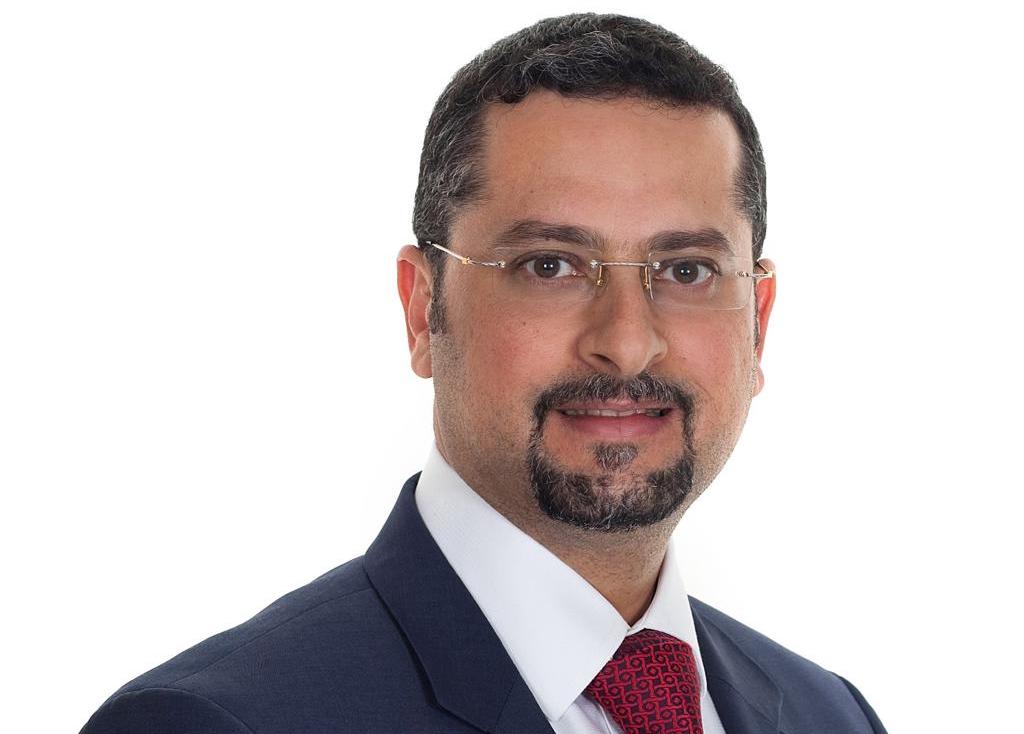
Rani Majzoub, Head of Real Estate Advisory at KPMG Professional Services. (Supplied)
The report further noted that the population in Riyadh is expected to reach 7.1 million by the end of this year, and it will touch 7.58 million by 2025, thus opening up more investment opportunities in the real estate sector in Saudi Arabia’s capital city.
The report pointed out that the current homeownership rate in Saudi Arabia is just above 62 percent, even as the government tries to provide affordable housing to Saudis in line with its goals mentioned in Vision 2030.
As a part of Vision 2030, Saudi Arabia aims to raise the percentage of home ownership to 70 percent by the end of this decade.
Retail sector
In the retail sector, KPMG expects Saudi Arabia to record an average sale of SR550 billion in 2022, with a further forecast to touch SR642 billion by 2025.
The average rental rate in the retail sector stood at SR2,333 per sq. m in the first half of 2022, the report further added.
It expects the Saudi retail sector to register a compound annual growth rate of 5 percent between 2022 to 2025, as the Kingdom’s market steadily recovers from the pandemic.
KPMG added that future real estate developments in Riyadh should focus on both tourists and residents, as the Kingdom is currently positioning itself as a “global tourism destination.”
Majzoub added: “As Riyadh is positioning itself as a prime tourism destination, an influx of inbound and domestic tourists can be expected. Hence, future developments should focus on the needs of both residents and tourists.”
Hospitality sector
In the hospitality sector, KPMG expects budget hotels, which include 3 and 4 stars, to drive healthy performance.
According to the report, the average daily rate in Riyadh hotels was SR652 during the first half of 2022.
The report added that the hospitality sector offers huge investment opportunities as the number of tourists, including domestic and inbound, to hit 5.87 million in Riyadh this year, which is expected to touch 7.55 million by 2025.
Office sector
As factors like macro-economic indicators, population, and workforce are expected to remain affirmative, KPMG predicted a positive outlook for office space demand in Riyadh in the coming years.
According to the report, the office market in Riyadh has witnessed a healthy upsurge in the rental rates of both Grade A and Grade B segments in the first half of 2022 with rental rates touching SR1,067 per sq.m.


