

Saudi Arabia’s refinery output down for third month in a row: JODI

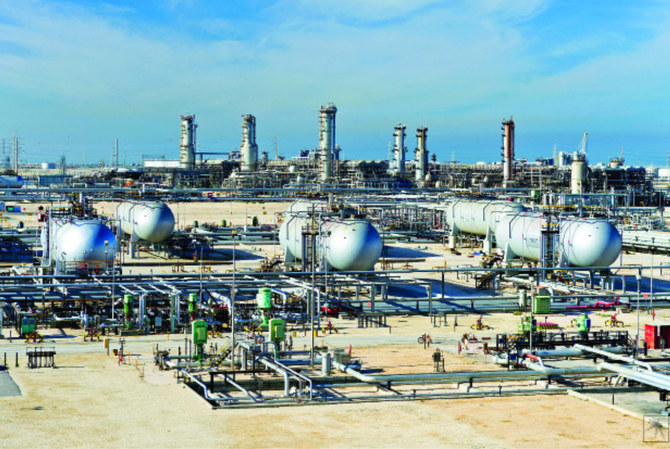
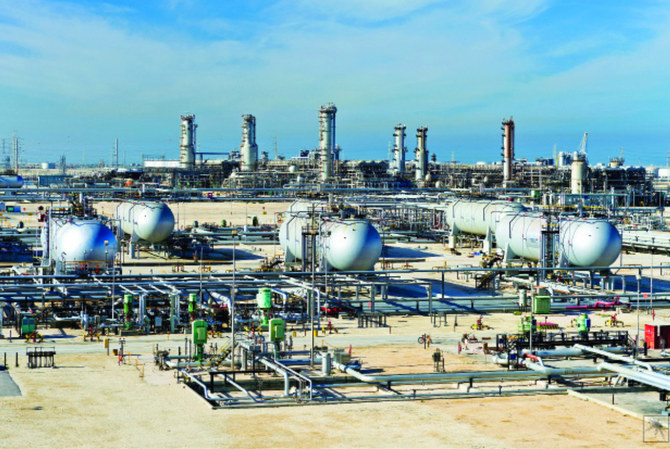
Gas or diesel oil, which comprises 48.7 percent of refinery oil exports making it the highest exported product, went down 5.9 percent from 740,000 bpd in June to 696,000 bpd in July. (Supplied)
Short Url
Updated 25 September 2022
Follow

Saudi Arabia’s refinery output down for third month in a row: JODI

  • Kingdom’s refinery output grew 8.3 percent from 2.56 million bpd, and exports rose 8.0 percent from 1.32 million bpd, compared to July 2021

RIYADH: Saudi Arabia’s refinery output has inched lower for the third month in a row, while oil product exports met the same fate, the Joint Organizations Data Initiative reported.

The Kingdom's refinery output decreased to 2.76 million barrels per day in July, from 2.85 million bpd in June, while oil product exports decreased from 1.60 million bpd in June to 1.43 million bpd in July, JODI revealed.

While production saw a 3.1 percent month-on-month decline from June to July, total oil exports experienced a bigger 10.6 percent decrease over the same period, distorted from their growth in the past two months. 

Year-over-year, the Kingdom’s refinery output grew 8.3 percent from 2.56 million bpd, and exports rose 8.0 percent from 1.32 million bpd, compared to July 2021.

All components of refinery output decreased from June’s values, bar the production of motor and aviation oil where the 23 percent constituent remained almost unchanged at 628,000 bpd in July, from 626,000 bpd the previous month.

Gas or diesel oil — by far the highest contributor to refinery oil production at 43.4 percent —went down slightly by 1.8 percent, from 1.22 million bpd in June to 1.20 million barrels per day in July.  

Moreover, fuel oil showed its second consecutive monthly decline of 6.2 percent from 503,000 to 472,000 million bpd. Fuel oil is a prominent proportion of total oil products as it makes up 17 percent of total refinery oil production.

Smaller components of total oil products like kerosene, which includes jet fuel, recorded a 6.4 percent monthly decrease in July 2022.

Naphtha and liquefied petroleum gas fell 3.2 percent and 30.8 percent respectively over the same period.

Oil products falling into the classification ‘other’ almost doubled over the year from 121,000 bpd last July to 237,000 bpd this year, fueled by their 75.7 percent growth in June, where they reached 246,000 barrels of production per day.

However, like most oil products, they contracted 3.7 percent in the transition between June and July this year.

Exports of refinery oil

Refinery oil exports were pushed down this month by reductions in all components apart from fuel oil.

Motor and aviation oil exports plummeted 23.2 percent from 280,000 bpd in June to 215,000 bpd in July — falling for the third consecutive month in contrast to their fixed output in production.

Gas or diesel, oil which comprises 48.7 percent of refinery oil exports making it the highest exported product, went down 5.9 percent from 740,000 bpd to 696,000 bpd over the same period.

Although Kerosene and Naphtha make up smaller portions of total oil exports, their decreases also brought down oil exports.

Fuel oil, the second largest contributor alongside motor and aviation, went up 12.2 percent from 198,000 bdp to 222,000 bpd, showing a growth in exports for the first time in four months.

Closing stocks

The Kingdom’s closing stocks of all oil products decreased by less than one percent, due to declines in gas or diesel oil, motor and aviation oil, and kerosene. 

The total closing stock was equivalent to 92.13 million barrels by the end of July, down 700,000 from 92.83 million barrels in June. 


PIF-backed AviLease achieves revenue of $664m and 19% growth in 2025

Updated 27 February 2026
Follow

PIF-backed AviLease achieves revenue of $664m and 19% growth in 2025

RIYADH: Saudi Arabia’s Public Investment Fund-backed AviLease achieved exceptional performance and sustainable business growth during 2025, supported by the strategic expansion of its global platform.

According to its financial results for 2025, AviLease recorded total revenues of $664 million, an annual increase of 19 percent, driven by disciplined growth in its asset portfolio and strong performance in aircraft remarketing amid sustained global demand for modern, fuel-efficient aircraft, the Saudi Press Agency reported.

Profit before tax doubled compared to the previous year, reaching $122 million. The year witnessed an expansion in AviLease’s portfolio, reaching 202 owned and managed aircraft, leased to over 50 airline companies in more than 30 countries. 

The total value of the company’s assets stabilized at $9.3 billion. AviLease maintained a 100 percent fleet utilization rate, reflecting the resilience of its business model, the efficiency of its asset management, and the strength of its strategic relationships with airlines around the world.

AviLease concluded purchase agreements for aircraft from Airbus, including the A320neo family and A350F, and Boeing 737 aircraft, aiming to enhance its future asset portfolio with modern, fuel-efficient aircraft. This step will contribute to supporting future growth and meeting increasing customer demand for the latest aircraft, aligning with the Kingdom’s ambitions to become a leading global aviation hub.

AviLease strengthened its prestigious credit standing by obtaining a strong Baa2 credit ratings from Moody’s and BBB from Fitch, reflecting its financial solidity, managerial discipline, and efficiency in managing leverage. The company also successfully issued senior unsecured bonds worth $850 million last November under Regulation 144A/RegS. This issuance contributed to diversifying its funding sources and enhancing its financial flexibility.

Commenting on the results, AviLease CEO Edward O’Byrne said: “This exceptional performance reflects the quality of the company’s investment portfolio, the strength of its partnerships with airlines, and its strategic focus on responsibly deploying capital into highly sought-after, efficient, modern aircraft assets.”

He added: “As aviation markets continue to grow, AviLease is strategically positioned to continue its expansion plans and deliver sustainable long-term value for shareholders, contributing to the Kingdom’s ambitions.”

Throughout 2025, AviLease continued to play a pivotal role in the Kingdom’s growing aviation sector and contributed directly to the launch and scaling of the new national carrier, Riyadh Air, by completing a sale and leaseback transaction for a Boeing 787-9 aircraft, which thereby became the first aircraft to join the airline’s fleet.

AviLease also established a strategic partnership with Hassana Investment Co. This partnership aims to provide an opportunity for local and international investors to enter the aircraft financing asset class and benefit from AviLease’s technical expertise and operational capabilities to support partnership growth and enhance performance. 

Hassana Investment Co. has agreed to acquire an initial portfolio of 10 modern aircraft from AviLease.