

Binance gets ‘viable product’ license from Dubai regulator Vara

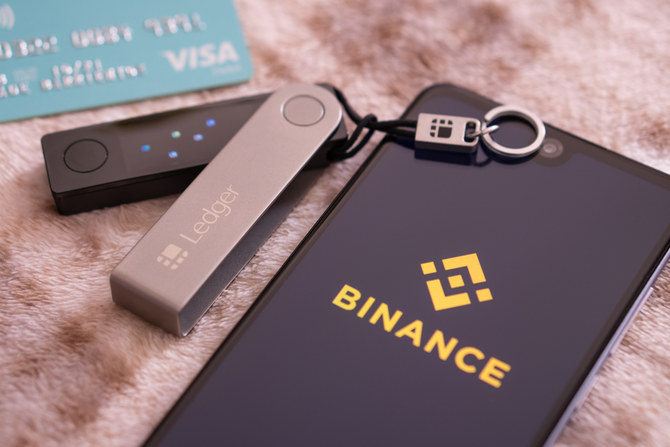
Binance can now open a client money account with a domestic bank in Dubai (Shutterstock)
Short Url
Updated 21 September 2022
Follow

Binance gets ‘viable product’ license from Dubai regulator Vara

RIYADH: Cryptocurrency exchange Binance has received approval to join the ‘Minimal Viable Product’ program from Dubai’s Virtual Asset Regulatory Authority, known as Vara, following the issuance of its provisional license in March 2022.

As Binance has procured the MVP license, it can now offer a range of Vara-approved virtual assets-related services to qualified retail and institutional investors in Dubai within the regulatory framework for providers.

Binance can now open a client money account with a domestic bank and provide a range of crypto-related services, which include exchange, conversion between virtual assets and fiat currencies, transfer of virtual assets, custody and management of virtual assets, virtual token offering and trading services and virtual assets payments and remittance services, the company said in a statement.

Vara was established in March 2022 under the Dubai Virtual Asset Regulation Law, the first law of its kind to regulate virtual assets.

The regulator aims to create an advanced legal framework to protect investors and set international standards for the virtual assets industry.

“The MVP Phase, is designed for select global players across the value chain, that are committed to responsible industry participation and Vara looks forward to Binance being an active contributor, reinforcing Dubai’s commitment toward creating a next-gen secure ecosystem for this future economy,” said Helal Saeed Almarri, chairman of Vara.

Changpeng Zhao, founder and CEO of Binance said, “Vara’s unique operating model is setting a benchmark for the global industry, and this most recent registration is an acknowledgment of our compliance and safety processes in the new regulatory framework.”


Saudi minister at Davos urges collaboration on minerals

Global collaboration on minerals essential to ease geopolitical tensions and secure supply, WEF hears. (Supplied)
Updated 20 January 2026
Follow

Saudi minister at Davos urges collaboration on minerals

  • The reason of the tension of geopolitics is actually the criticality of the minerals

LONDON: Countries need to collaborate on mining and resources to help avoid geopolitical tensions, Saudi Arabia’s minister of industry and mineral resources told the World Economic Forum on Tuesday.

“The reason of the tension of geopolitics is actually the criticality of the minerals, the concentration in different areas of the world,” Bandar Alkhorayef told a panel discussion on the geopolitics of materials.

“The rational thing to do is to collaborate, and that’s what we are doing,” he added. “We are creating a platform of collaboration in Saudi Arabia.”

Bandar Alkhorayef, Saudi Minister of Industry and Mineral Resources 

The Kingdom last week hosted the Future Minerals Forum in Riyadh. Alkhorayef said the platform was launched by the government in 2022 as a contribution to the global community. “It’s very important to have a global movement, and that’s why we launched the Future Minerals Forum,” he said. “It is the most important platform of global mining leaders.”

The Kingdom has made mining one of the key pillars of its economy, rapidly expanding the sector under the Vision 2030 reform program with an eye on diversification. Saudi Arabia has an estimated $2.5 trillion in mineral wealth and the ramping up of extraction comes at a time of intense global competition for resources to drive technological development in areas like AI and renewables.

“We realized that unlocking the value that we have in our natural resources, of the different minerals that we have, will definitely help our economy to grow to diversify,” Alkhorayef said. The Kingdom has worked to reduce the timelines required to set up mines while also protecting local communities, he added. Obtaining mining permits in Saudi Arabia has been reduced to just 30 to 90 days compared to the many years required in other countries, Alkhorayef said.

“We learned very, very early that permitting is a bottleneck in the system,” he added. “We all know, and we have to be very, very frank about this, that mining doesn’t have a good reputation globally.

“We are trying to change this and cutting down the licensing process doesn’t only solve it. You need also to show the communities the impact of the mining on their lives.”

Saudi Arabia’s new mining investment laws have placed great emphasis on the development of society and local communities, along with protecting the environment and incorporating new technologies, Alkhorayef said. “We want to build the future mines; we don’t want to build old mines.”