


LONDON: A suspected Iranian cyberattack on Albania has revealed talks between Tirana and London about tackling illegal immigration to the UK, the Daily Telegraph reported on Tuesday.
The Balkan nation has come under increased attack from Iran in recent months, with Albania and the US saying Tehran was responsible for a huge incident earlier this month, and another attack in July.
The latest hack forced Tirana to take its Total Information Management System, used by police and security agencies to share details about migrants and criminals, temporarily offline, Albania’s Interior Ministry said.
Albanian Prime Minister Edi Rama tweeted that the attack was committed by the “same aggressors” that carried out the July hack, which Washington has said was Iran.
The US Treasury Department sanctioned Iran’s spy agency last Friday for its role in the hack, while the Biden administration said it would “hold Iran accountable for actions that threaten the security of a US ally.” Albania has since severed diplomatic relations with Iran.
Official UK government documents detailing talks with counterparts in Tirana were leaked onto an Iranian Telegram channel over the weekend as part of a cache of emails, labeled “sensitive” and containing details about efforts to curtail immigration and organized crime.
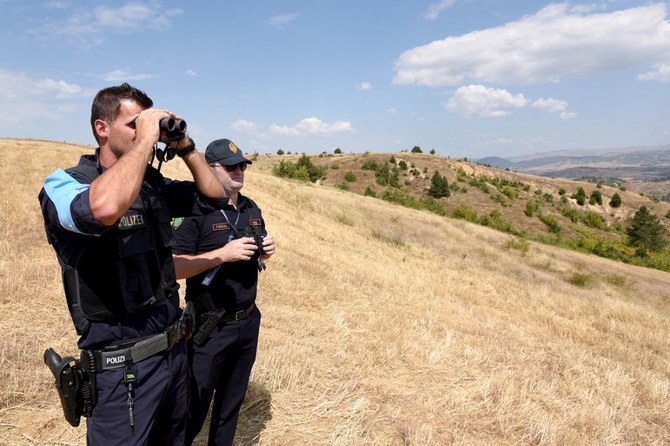
They include correspondence between Albania’s former police director, Gledis Nano, and Alastair King-Smith, British ambassador in Tirana, from February this year, which contained plans to deploy UK Border Force officers at the Albanian ports of Durres and Porto Romano to “assess the container traffic, Ro/Ro, passengers, port and law enforcement IT systems, and the current operational capabilities that exist within the port.”
This year has seen a significant uptick in the number of Albanians trying to reach the UK illegally, facilitated by criminal gangs.
Albanians are now thought to account for up to 60 percent of people trying to cross the English Channel by boat.
As well as people trafficking, Albanian gangs are also responsible for a significant portion of Europe’s cocaine trade and, increasingly, cannabis production.
The UK’s National Crime Agency believes that the surge in Albanians trying to enter the UK illegally is in part driven by a need to recruit more gang members to operate on the ground.
Former UK Home Secretary Priti Patel signed an agreement with the Balkan state in 2021 to fast-track deportations of Albanians living illegally in Britain.
A deal was reached last week to allow UK law enforcement access to criminal and biometric data held by Albanian police.
The Iranian Embassy in Brussels said it “rejected the baseless accusations” that it is responsible for the cyberattacks on Albania.


