- PM’s aide Salman Sufi says animal welfare course to be rolled out from October
- Course will focus on how to take care of animals properly, says Sufi
ISLAMABAD: In a rare move to protect animal rights in Pakistan, Prime Minister Shehbaz Sharif’s aide said on Saturday that the government intends to introduce a special course on animal welfare which will be taught at schools in Pakistan’s capital, Islamabad.
The initiative follows the government’s move in June to ban testing and surgeries on live animals at veterinary schools and industrial complexes in the federal capital while announcing a Rs15,000 ($63.59) fine and jail term for animal cruelty offenders.
Speaking to Arab News, Salman Sufi, head of the prime minister’s strategic reforms unit, said Sharif has been pushing for stringent animal welfare laws and reforms through the unit. He said the move to introduce the course was a step in that direction.
“The [animal welfare] courses are scheduled to be rolled out in October,” Sufi told Arab News. “We are in the process of speaking to the government body that regulates private schools plus the government schools as well in the federal capital.”
“The main purpose is to make sure that children can learn what we were never taught,” Sufi added. “That stray animals, pet animals, exotic animals and any animal has rights and we have to take care of them. And we have to take care of them in the right way, not just by words but through proper actions.”
He said the government will seek input from international and local animal rights organizations to make the courses as comprehensive as possible.
Sufi said the courses are being prepared for students of grades five and above, adding that the “intensity of the course” will be increased for students of higher grades. “So, more information and more details will be added accordingly [as the class level increases],” he added.
The prime minister’s aide said the federal government plans to work with provincial governments to add the courses to their curriculum. “After we start it in Islamabad, we will share the same courses and also write to them to make sure that they also do the same thing,” he added.
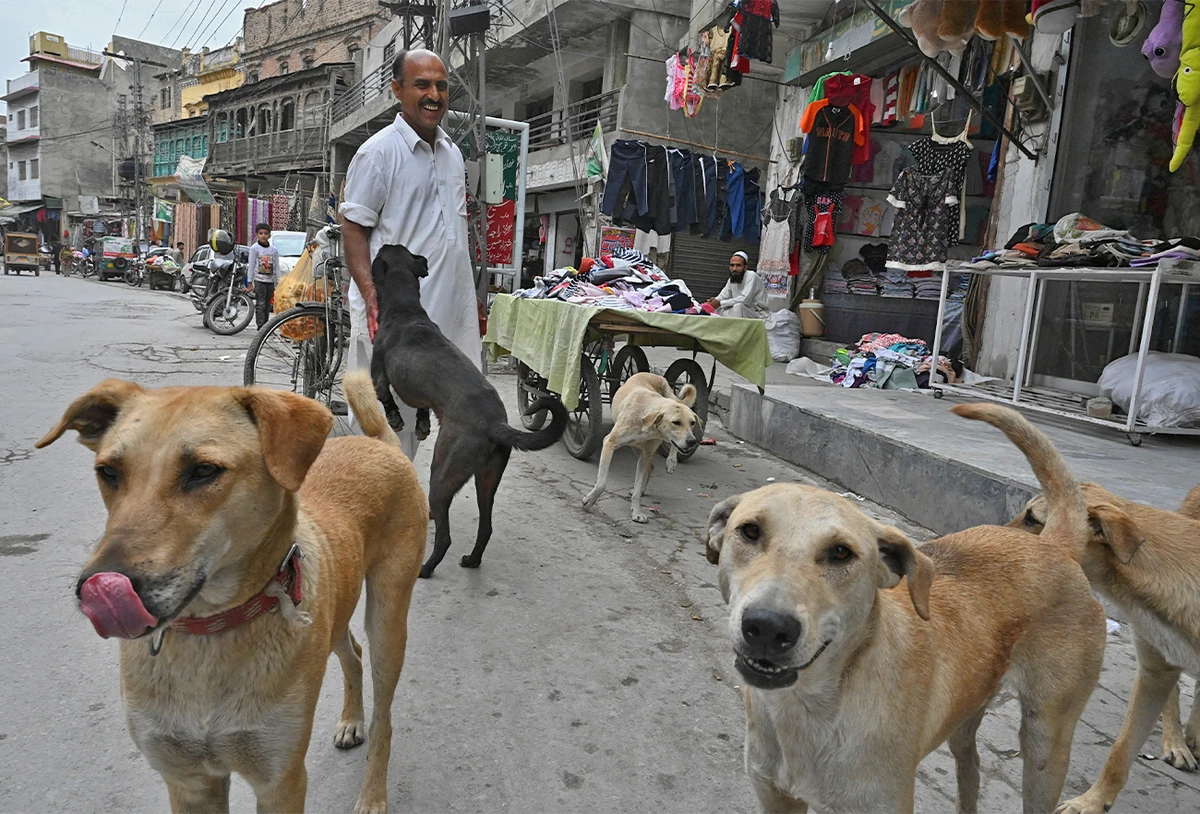
Sufi said the curriculum will focus on the various definitions of animals, from exotic to stray animals and will address how to take care of them. “It will also address as to how can we be better citizens, especially to stray animals, and rather than kill them or throw stones at them, take better care of them,” he added.
The premier’s aide said he and Climate Change Minister Sherry Rehman are working on an animal welfare law which will soon be tabled in parliament.