BEIRUT: As globalization transforms most aspects of modern life, the nature of family and family life is no longer what it was even 10 years ago. The usual stresses and strains on marriage have been compounded by the growing trend of people moving away from their families and countries of origin in search of a livelihood.
That the Arab world is not insulated from these profound socio-economic changes is evident from the rise in the number of couples choosing to separate in several Middle Eastern and North African countries.
A recent study by the Egyptian Cabinet’s Information and Decision Support Center found that Kuwait, Egypt, Jordan and Qatar are the Arab countries with the highest divorce rates.
In Kuwait, 48 percent of all marriages end in divorce, 40 percent in Egypt, 37.2 percent in Jordan, 37 percent in Qatar, and 34 percent in both the UAE and Lebanon.
“On some days, we have up to 16 divorce cases in this court alone,” Sheikh Wassim Yousef Al-Falah, a Shariah judge at Beirut’s religious court, told Arab News.
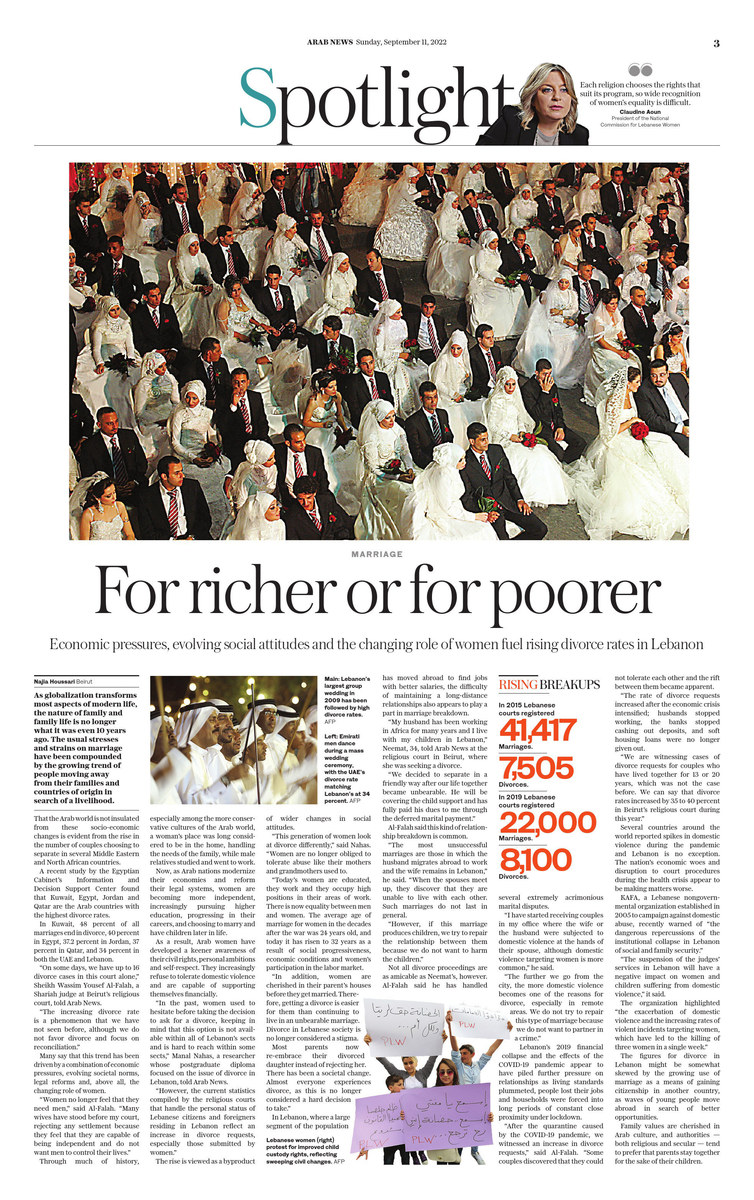
Newlywed couples pose for a picture at the Roman acropolis in Baalbeck in the Bekaa valley. (AFP/File Photo)
“The increasing divorce rate is a phenomenon that we have not seen before, although we do not favor divorce and focus on reconciliation.”
Experts believe this trend has been driven by a combination of economic pressures, evolving societal norms, legal reforms and, above all, the changing role of women.
“Women no longer feel that they need men,” said Al-Falah. “Many wives have stood before my court, rejecting any settlement with their men because they feel that they are capable of being independent and do not want men to control their lives.”
Through much of history, especially among the more conservative cultures of the Arab world, a woman’s place was long considered to be in the home, handling the needs of the family, while male relatives studied and went to work.
Now, as Arab nations modernize their economies and reform their legal systems, women are becoming more independent, increasingly pursuing higher education, progressing in their careers, and choosing to marry and have children later in life.
As a result, Arab women have developed a keener awareness of their civil rights, personal ambitions and self-respect. They increasingly refuse to tolerate domestic violence and are capable of supporting themselves financially.
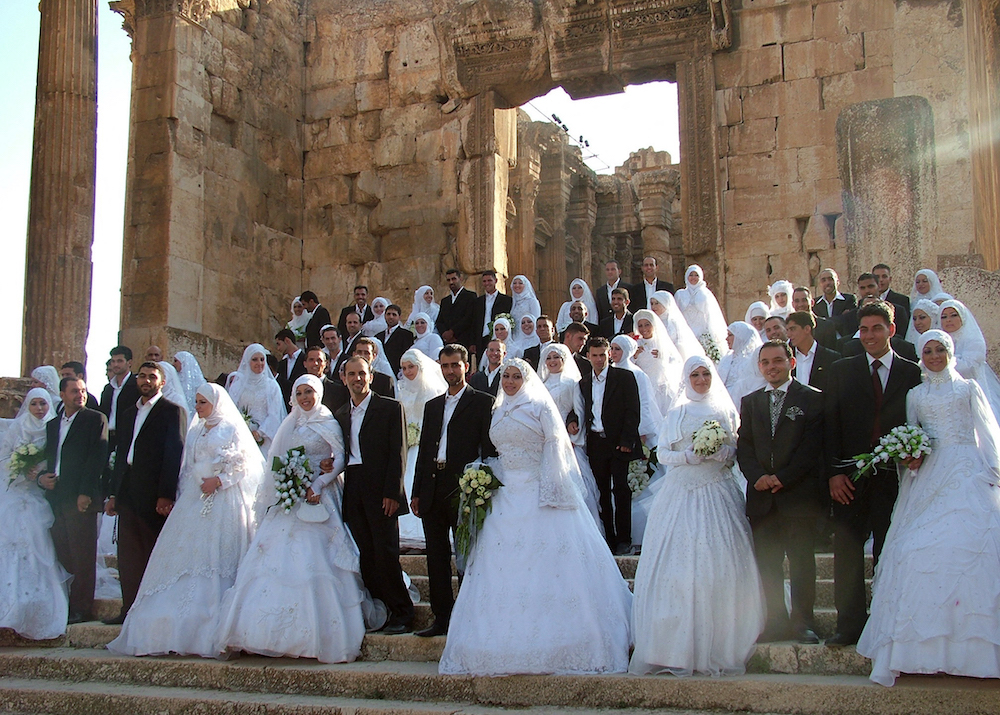
As Arab nations modernize their economies and reform their legal systems, women are becoming more independent. (AFP/File Photo)
“In the past, women used to hesitate before taking the decision to ask for a divorce, keeping in mind that this option is not available within all of Lebanon’s sects and is hard to reach within some sects,” Manal Nahas, a researcher whose postgraduate diploma focused on the issue of divorce in Lebanon, told Arab News.
“However, the current statistics compiled by the religious courts that handle the personal status of Lebanese citizens and foreigners residing in Lebanon reflect an increase in divorce requests, especially those submitted by women.”
The rise is viewed as a byproduct of wider changes in social attitudes.
“This generation of women look at divorce differently,” said Nahas. “Women are no longer obliged to tolerate abuse like their mothers and grandmothers used to.
“Today’s women are educated, they work and they occupy high positions in their areas of work. There is now equality between men and women. The average age of marriage for women in the decades after the war was 24 years old, and today it has risen to 32 years as a result of social progressiveness, economic conditions and women’s participation in the labor market.”
Nahas added: “In addition, women are cherished in their parents’ home before they get married. Therefore, getting a divorce is easier for them than continuing to live in an unbearable marriage. Divorce in Lebanese society is no longer considered a stigma.
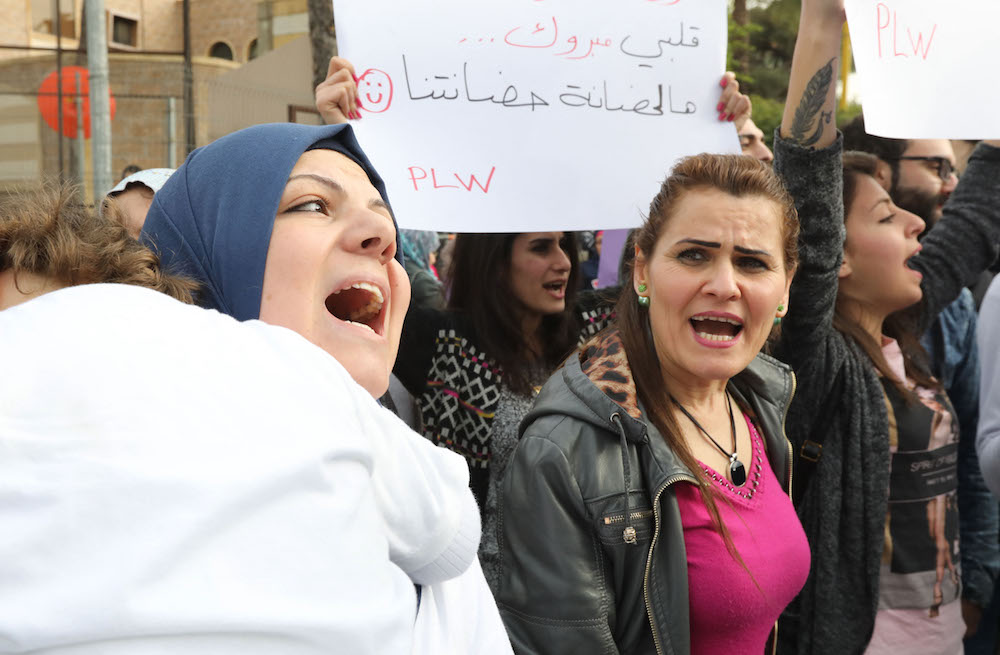
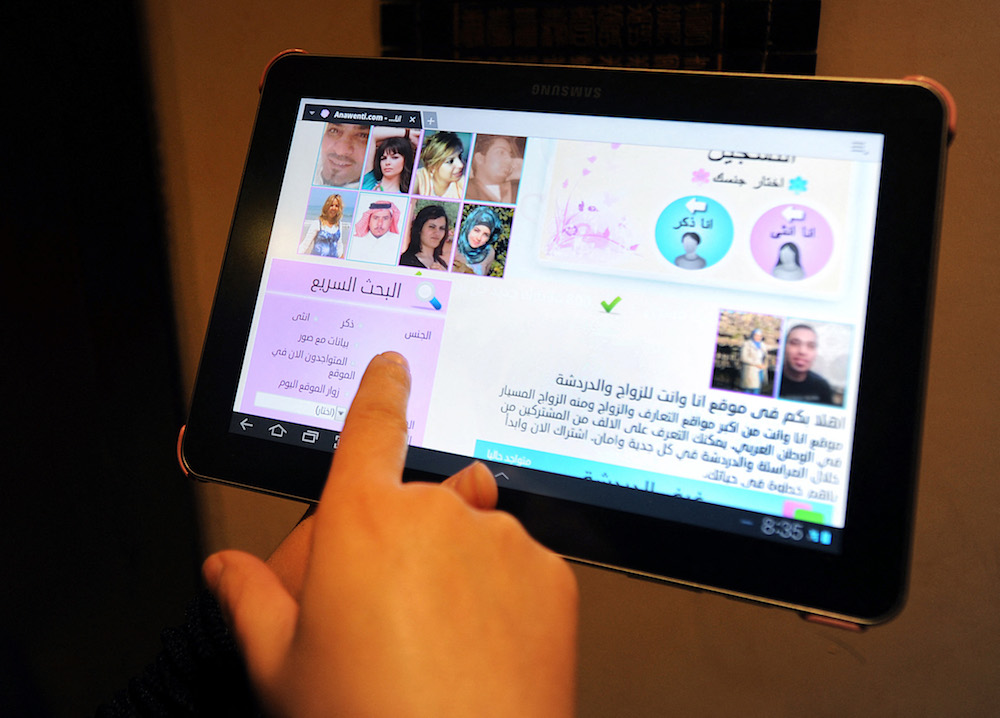
Lebanese women take part in a protest in front of Lebanon's Supreme Shiite Council to ask clerics to increase the age at which custody of children for divorced Shiite Muslim couples can be awarded to the mother, in the capital Beirut. (AFP/File Photo)
“Most parents now re-embrace their divorced daughter instead of rejecting her. There has been a societal change. Almost everyone experiences divorce, as this is no longer considered a hard decision to take.”
In Lebanon, where a large segment of the population has moved abroad to find jobs with better salaries, the difficulty of maintaining a long-distance relationship also appears to play a part in marriage breakdown.
“My husband has been working in Africa for many years and I live with my children in Lebanon,” Neemat, 34, told Arab News at the religious court in Beirut, where she was seeking a divorce.
“We decided to separate in a friendly way after our life together became unbearable. He will be covering the child support and has fully paid his dues to me through the deferred marital payment.”
Al-Falah said this kind of relationship breakdown is common.
“The most unsuccessful marriages are those in which the husband migrates abroad to work and the wife remains in Lebanon,” he said. “When the spouses meet up, they discover that they are unable to live with each other. Such marriages do not last in general.
“However, if this marriage produces children, we try to repair the relationship between them because we do not want to harm the children.”
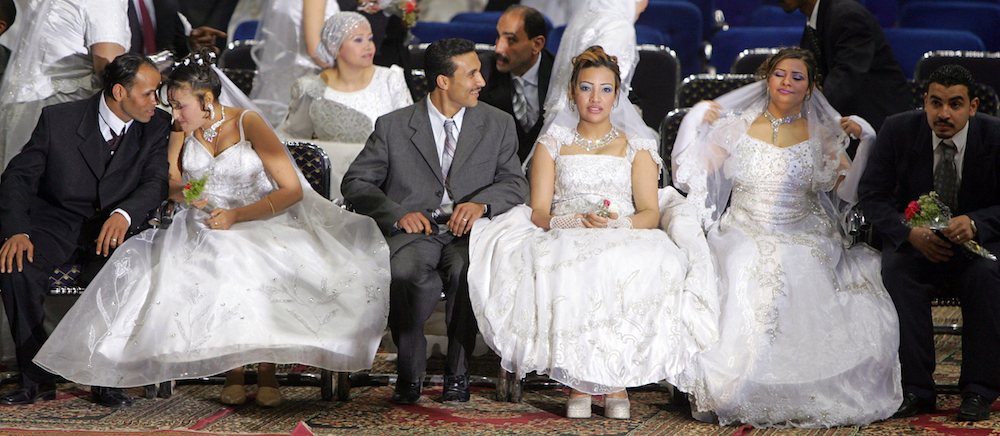
Family values are cherished in Arab culture, and authorities — both religious and secular — tend to prefer that parents stay together for the sake of their children. (AFP/File Photo)
Not all divorce proceedings are as amicable as Neemat’s, however. Al-Falah said he has handled several extremely acrimonious marital disputes.
“I have started receiving couples in my office where the wife or the husband was subjected to domestic violence at the hands of their spouse, although domestic violence targeting women is more common,” he said.
“The further we go from the city, the more domestic violence becomes one of the reasons for divorce, especially in remote areas. We do not try to repair this type of marriage because we do not want to partner in a crime.”
Reforms to the legal status of women in Lebanon have drawn particular attention in recent years, with the introduction of a slew of legislation designed to protect them from sexual harassment and domestic abuse. However, human rights monitors say the reforms do not go far enough.
In December 2020, for example, the Lebanese parliament passed a law that criminalized sexual harassment and outlined measures to protect whistleblowers, but failed to meet international standards for tackling harassment at work through labor laws.

Parliament also amended a domestic violence law to expand its scope to include violence related to — but not necessarily committed during — marriage, enabling women to seek protection from their ex-husbands. However, it did not criminalize marital rape.
Lebanon’s 2019 financial collapse and the effects of the COVID-19 pandemic appear to have piled further pressure on relationships as living standards plummeted, people lost their jobs and households were forced into long periods of constant close proximity under lockdown.
“After the quarantine caused by the COVID-19 pandemic, we witnessed an increase in divorce requests,” said Al-Falah. “Some couples discovered that they could not tolerate each other and the rift between them became apparent.
“The rate of divorce requests increased after the economic crisis intensified; husbands stopped working, the banks stopped cashing out deposits, and soft housing loans were no longer given out.
“We are witnessing cases of divorce requests for couples who have lived together for 13 or 20 years, which was not the case before. We can say that divorce rates increased by 35 to 40 percent in Beirut’s religious court during this year.”

Each religion chooses the rights that suit its program, so wide recognition of women's equality is difficult, says Claudine Aoun, president of the National Commission for Lebanese Women. (Supplied)
Several countries around the world reported spikes in domestic violence during the pandemic and Lebanon is no exception. The nation’s economic woes and disruption to court procedures during the health crisis appear to be making matters worse.
KAFA, a Lebanese nongovernmental organization established in 2005 to campaign against domestic abuse, recently warned of “the dangerous repercussions of the institutional collapse in Lebanon of social and family security.”
“The suspension of the judges’ services in Lebanon will have a negative impact on women and children suffering from domestic violence,” it said.
The organization highlighted “the exacerbation of domestic violence and the increasing rates of violent incidents targeting women, which have led to the killing of three women in a single week.”
The figures for divorce in Lebanon might be somewhat skewed by the growing use of marriage as a means of gaining citizenship in another country, as waves of young people move abroad in search of better opportunities.
“There is a divorce for those whose marriage was based on convenience,” said Al-Falah. “For example, husbands who move abroad and want to marry a foreign woman must prove that they are not married back home for them to marry and then obtain the nationality of their new wife’s country.
“After obtaining the new nationality, they remarry their original wife, whom they divorced back in their home country.”
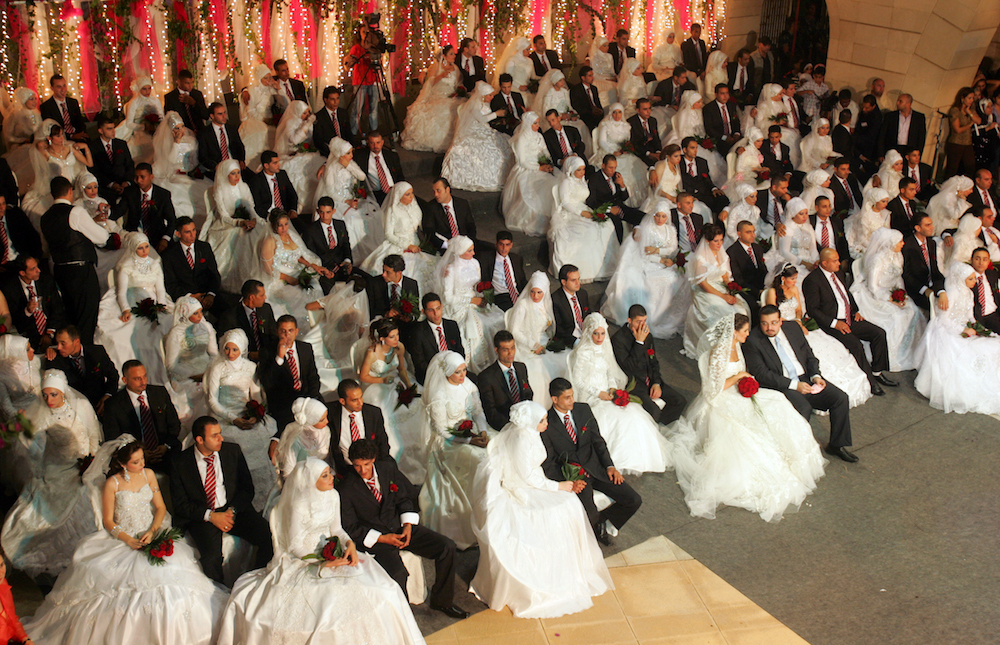
In Lebanon, where a large segment of the population has moved abroad to find jobs with better salaries, the difficulty of maintaining a long-distance relationships also appears to play a part in marriage breakdown. (AFP/File Photo)
Lebanon is a multi-confessional country. Following the 1975-1990 civil war, the nation’s religious communities agreed to share power through a complex division of authorities and separate institutions governing community matters, including marriage and divorce.
Lebanese citizens will often move between sects to facilitate a divorce. Couples from the Maronite sect, for instance, the courts of which forbid the annulment of marriage in all but the most extreme circumstances, might turn instead to the Catholic or Orthodox sects, which allow the annulment of marriages.
They might even turn to the Sunni sect to access divorce procedures before converting back to their original sect. According to Shariah, divorce — known as khula — has been permitted since the time of Prophet Muhammad.
Obtaining a divorce in a Sunni religious court is considered easier than in a Shiite religious court, after these courts developed new rules that raised the age for child custody, amended the dowry and banned underage marriage.
Civil society groups have called for an optional civil personal-status law in Lebanon. Currently, many young Lebanese from all sects travel to Cyprus or Turkey for civil marriages. The civil courts in Lebanon agree to register such marriages but religious authorities continue to reject them.
Family values are cherished in Arab culture, and authorities — both religious and secular — tend to prefer that parents stay together for the sake of their children. Experts believe marriage counseling, better education for young couples, more open discussions about relationships, and even a relaxation of the social taboos surrounding premarital social interaction between men and women could help reduce overall divorce rates.
Al-Falah said many divorces are “a result of disputes caused by the fact that the marriage was not built on solid foundations. The rate of this type of divorce is high because the education that young people receive does not include proper decision-making or family guidance.”