



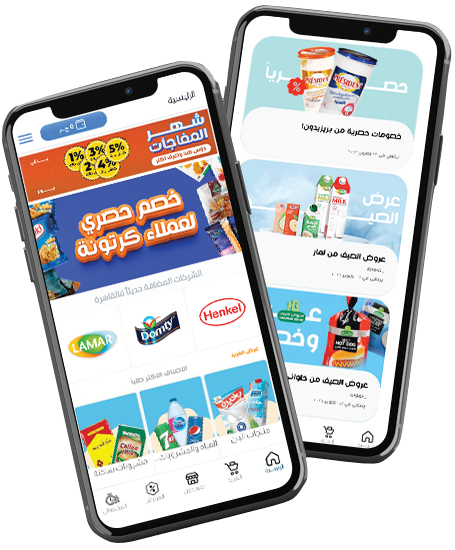
CAIRO: Cartona, a B2B trade platform based in Egypt, has recently raised $12 million in a series A funding round. The proceeds will be used to expedite the company’s expansion across Egypt, grow its product range and technology and explore new verticals.
Jordan-based venture capital firm Silicon Badia led the round with SANAD Fund for MSME, Arab Bank Accelerator, Sunny Side Ventures and existing investors alongside Global Ventures and Kepple Ventures.
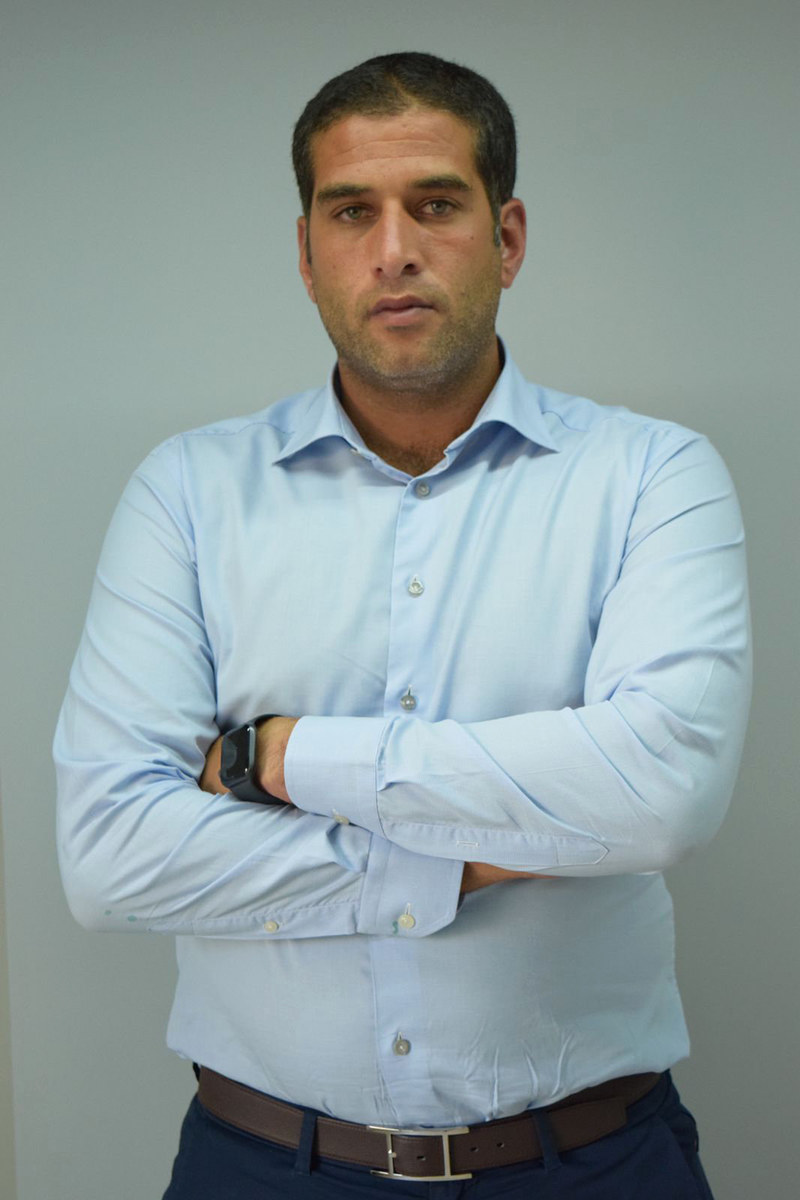
Mahmout Talaat, CEO of Cartona, told Arab News exclusively that the company will introduce buy now, pay later options for its retailers and sellers.
“The fintech solution is not meant to enhance our financials, but it’s very much needed for small shops to survive. So, it’s completely different from a B2C buy now, pay later option,” he said.
Talaat added that the BNPL solutions would contribute from 40 to 45 percent of transactions happening on the platform.
“We’re planning to achieve around 40 to 45 percent through BNPL. We believe that in the end, it’s up for the person to choose if he wants to buy it in cash, which is the cheapest option, or through supplier credit,” Talaat said.
Using a light-asset business model, Cartona does not own any warehouses, products, or vehicles and only takes a percentage fee on each order happening on the platform between retailers and wholesalers.
Talaat also said that a huge focus of their operations is going into integrations with enterprise resource planning software, making it a competitive advantage.
“We are working strongly in expanding our integrations since we are a partner to our suppliers. We do not compete with them. We are a digital channel for their sales. And this is part of our value proposition where we integrate them directly with our company’s ERP,” Talaat added.
Cartona currently has around 1,500 suppliers using its platform to connect with over 60,000 retailers across 11 cities.
Talaat added the company is not yet profitable as it was founded in 2020 but is planning to have a positive cash flow by 2024.
We are working strongly in expanding our integrations since we are a partner to our suppliers. We do not compete with them. We are a digital channel for their sales.
Mahmout Talaat
“We’re growing five times every year. We have aggressive plans but are focusing on getting a good market share in the cities we are operating in and not expanding extremely fast to get good unit economics because our platform is based on geolocation,” Talaat stated.
Currently, the company focuses on the fast-moving consumer goods industry but, with its technology, it will be able to diversify into different sectors.
“We are planning to explore other verticals that have the same dynamics as a lot of suppliers and a lot of physical, small retail shops such as light construction materials or electronics. We are studying all our options and planning, hopefully in 2023, to also start doing the same thing that we did in FMCG in another vertical,” he added.
Talaat stated that the FMCG market in Egypt is worth around $60 to $70 billion and is growing 8 percent annually.
“The market itself is huge; more than 96 percent are still offline; online adoption is still low, so I believe there is room for everyone to grow,” he added.
With FMCG costs rising in Egypt, Cartona has supported retailers by providing over 12,000 products with different price ranges.


