

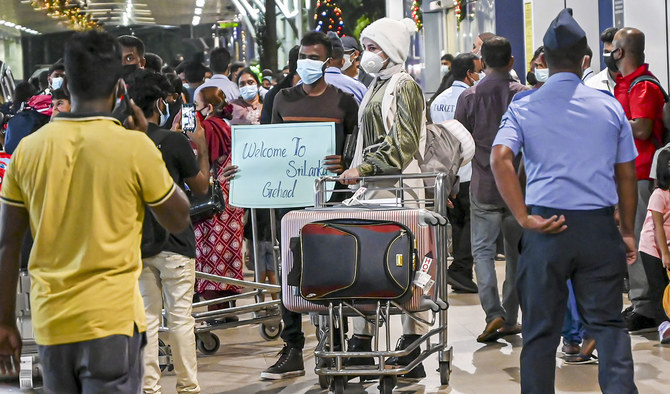

COLOMBO: Sri Lankan authorities and travel industry players are pinning hopes on arrivals from Saudi Arabia — a top travel spending market — as the island nation is grappling with the effects of an ongoing financial crisis on its tourism economy.
Tourism has traditionally been one of the key sources of Sri Lanka’s foreign reserves and in 2018 earned it $4.4 billion, contributing 5.6 percent to GDP. But this dropped to just 0.8 percent in 2020, as the country received a major blow when the outbreak of COVID-19 halted global travel.
Earlier this year, to rebound from the pandemic, Sri Lanka declared 2022 the “Visit Sri Lanka Year” to prioritize the tourism industry, but as it sinks deeper into its worst economic crisis since independence, it has been forced to realign its strategies.
Assessing this year’s visitor data until July, Sri Lanka’s Tourism Development Authority has identified its top primary markets and top potential markets, including among them Saudi Arabia.
“Saudi Arabia is an important source for Sri Lankan market due to the size of the population and high GDP per capita in the region,” Madhubhani Perera, public relations director at the Sri Lanka Tourism Promotion Bureau told Arab News on Friday.

Sri Lankans and tourists climb the 80-meter (600-foot) fortress of Sigiriya rock (the Lion Rock) in Sigiriya, north-central Sri Lanka, on February 11, 2017. (AFP/File)
According to the bureau’s data, tourists from the Kingdom spend on average $230 a day when they visit the island nation.
Even though the number of Saudi tourists has dropped from 34,700 in 2018 to 4,015 by July this year, the Kingdom is still “considered to be a main top market in terms of arrivals,” Perera said, adding that efforts are now focused on promotional activities to enhance the number of visits.
Mohamed Sabry Bahaudeen, chairman of the Travel Agents Association of Sri Lanka, said the nature of the Saudi market is “suggesting the potential to grow” and is where the island nation could tap into to shore up its foreign currency inflows.
“Travelers from the country on average have one of the highest travel spends in the world, which will result in an increase of foreign exchange,” he told Arab News.

Tourists visit the Galle Fort in Galle, Sri Lanka, on November 28, 2021. (AFP/File)
All age groups of Saudi tourists visiting Sri Lanka have been identified by the Tourism Promotion Bureau as generally interested in wildlife and nature, and “the possibility to enjoy holidays that have a green footprint, native birds, animals in their natural habitats.”
With its famed palm-fringed white beaches, seaside resorts offering water sports, and UNESCO cultural sites, Sri Lanka is also popular among travelers visiting with kids.
Family tourism is what travel operators are trying to revive.
“Sri Lanka was an ideal destination for Saudi tourists because they prefer family holidays and we have a diverse attractions in the country to a rich cultural activities and history and relaxing as well as sports activities to keep the whole family satisfied,” Bahaudeen said.
“I’m confident we will see many more visitors from Saudi Arabia making Sri Lanka their next holiday destination of choice in the coming months.”


