



RIYADH: Unhealthy food and fitness habits are on the rise among Saudi youth, and maintaining a healthy weight has become a concern.
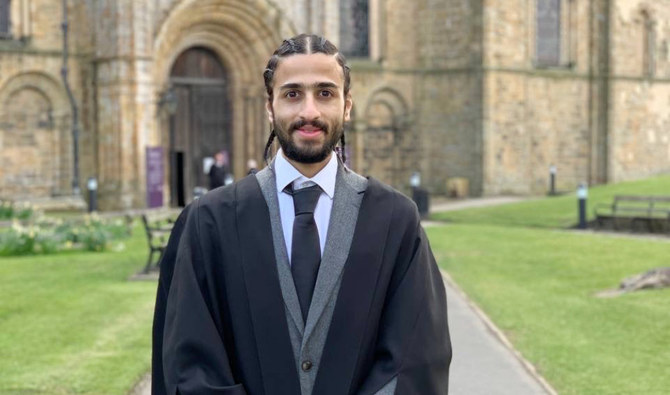
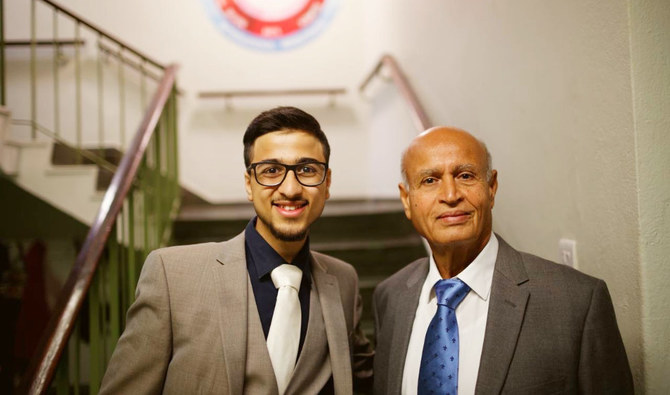
The weight-loss milestones of 24-year-old Salam Farid Aazam has been a motivation for many wishing to achieve their weight goal.
Aazam’s priority is maintaining a healthy lifestyle. He lost 25 kg through his balanced habits, which have been cultivated through his educational experience in human nutrition and behavioral science.
Now, he has a mission to help others bury their weakening cycles of poor habits.
FASTFACTS
• Salam Farid Aazam’s priority is maintaining a healthy lifestyle. He lost 25 kg through his balanced habits, which have been cultivated through his educational experience in human nutrition and behavioral science.
• Now, he has a mission to help others bury their weakening cycles of poor habits.
Aazam created his consultation platform, Sehha W Salam, two months ago.
“Sehha W Salam is a platform that’s trying to improve the overall health of people in society through personal consultations tailored to them,” Aazam told Arab News.
“Consultants will try to enhance the behaviors and nutrition of people who come. They will try to understand the issues people are struggling with,” he said.
Qualified consultants create an in-depth case study of clients’ issues. Nutritional meal plans, exercises, and a combination of behavioral consultations are then applied, with prices dependent on how complex a case is.
“I am a registered associate nutritionist from the Association of Nutrition in the UK. I might recruit more qualified people with both qualifications in behavioral science and nutrition,” he said.
“The most convenient way of reaching me is through Instagram which is @sehhawsalam. Consultations will be held virtually over any video meeting platforms, or we can do it by visiting each other.”
Aazam started his journey in the UK after high school. He was inspired to study nutrition because he was overweight during his adolescence.
“I thought of studying nutrition because I used to be overweight (at) around 13 years old. I was suffering from it. It affected me in terms of confidence in myself, my general well-being, I was shy, I was not socializing in general. I thought ‘I need to make a decision because I am not who I am’,” he said.
“I stayed at home all the time and played PlayStation and video games. I used to eat a lot, all the time, and I was unaware of my health. I used to play center back, the defending position in football, from primary school until I was 14. My colleagues and football team members (then) told me I need to play as a goalkeeper — I am not giving a bad impression of being a goalkeeper, but it’s usually given to people who don’t give a good impression of running. I was feeling rejected,” he explained.
Website surfing and Instagram accounts with nutritional information were the first source of awareness for Aazam’s weight loss, before expanding his passion for nutrition at university.
“I chose Kingston University. I did my bachelor’s of science in human nutrition, and I was one of the top students in (the) university,” he said.
Aazam complemented his bachelor’s with a master’s degree in behavioral sciences at Durham, one of the UK’s leading universities.
“We learned a lot about behavioral aspects of psychology. Choice architecture is a concept that looks at whether items are on an eye-level,” he said. “Changing the position of these unhealthy food products affects people’s choices. They crave these foods when they see it.”
Losing weight was difficult at first for Aazam, especially without surgical intervention. His focus on food quality, avoiding fast food, and exercising gave a positive turn in all aspects surrounding his life.
“After I lost weight, I couldn’t describe how comfortable I felt. I started socializing, anticipating. I became very confident in myself. I started joining societies, leading them, going into positions of trust, and all of that. Nutrition can help people achieve their best,” said Aazam.
Generosity is a key component of Saudi culture, and Aazam believes that generosity and showing appreciation should not always be correlated with food — gratitude can be expressed in many ways. Food for him is not always for pleasure, but instead, mostly for survival.
“Saudi society is generous and we conflate it with food. I see people providing a generous quantity of food to guests, and they are treating it as generosity, which isn’t always healthy,” he said.
“Today’s doll-like body standards can be dangerous,” he added.
Aazam said he places an importance in a Hadith that translates as: “No man fills a container worse than his stomach. A few morsels that keep his back upright are sufficient for him. If he has to, then he should keep one-third for food, one-third for water and one-third for breathing.”
He greatly appreciates the Kingdom’s efforts in looking out for the health of people in Saudi Arabia.
“I am really glad I am helping my country. Saudi Arabia is doing a really great job at the moment, especially in the health field. I am very proud to be Saudi, and I also look forward to improving my community and taking pride in doing so,” he said.


