

REVIEW: Netflix’s ‘The Sandman’ adaptation is a long-awaited triumph

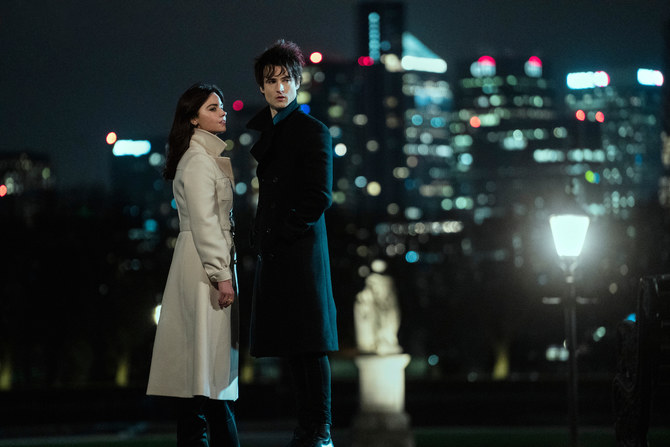
Jenna Coleman as Johanna Constantine and Tom Sturridge as Morpheus in ‘The Sandman.’ (Supplied)
Short Url
Updated 12 August 2022
Follow

REVIEW: Netflix’s ‘The Sandman’ adaptation is a long-awaited triumph

  • Comic-book series finally gets the TV treatment it deserves after escaping development hell

LONDON: For decades, Neil Gaiman’s “Sandman” epic has been one of the go-to examples of why comic books should be acknowledged as much, much more than outlandish adventures starring superheroes bedecked in garish spandex. 

Despite this (or perhaps because of it), bringing the sprawling saga to the screen — big or small — has been a tortuous process, with countless iterations promising much before, inevitably, falling by the wayside.
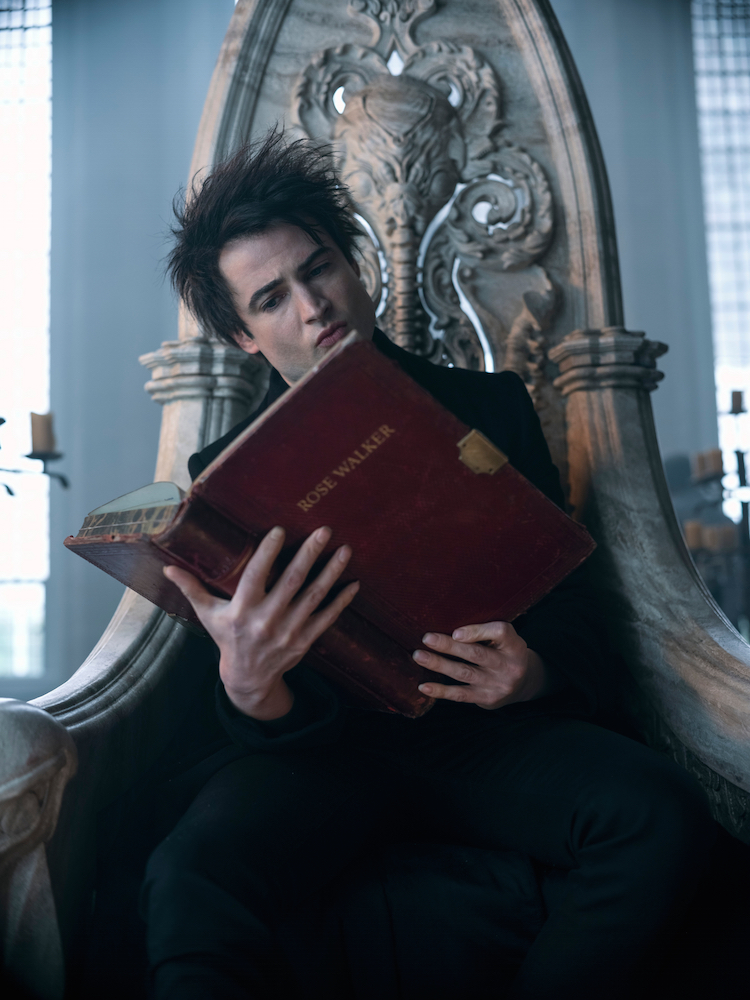


Tom Sturridge as The Sandman. (Supplied)

So Netflix deserves some credit for the mere existence of “The Sandman” — a 10-part series developed by Gaiman, David S Goyer and Allan Heinberg and starring British actor Tom Sturridge as Morpheus, the lord of dreams and nightmares. When Morpheus is captured by an occultist and held prisoner for more than 100 years, his kingdom (the Dreaming) falls into ruin, with the balance between dreams and nightmares lost, and rogue entities blurring the lines between the waking world and the fantastical nature of human imagination. After escaping, Morpheus must regain his throne and restore the balance before irreversible damage is done.

“The Sandman” boasts an incredible ensemble cast, with star turns across the board. Jenna Coleman, Stephen Fry, Charles Dance, Patton Oswald, Joely Richardson and Boyd Holbrook are particularly enjoyable, while David Thewlis puts in a staggeringly unsettling performance as one of the many threats Morpheus must prevent from rending the human world asunder.
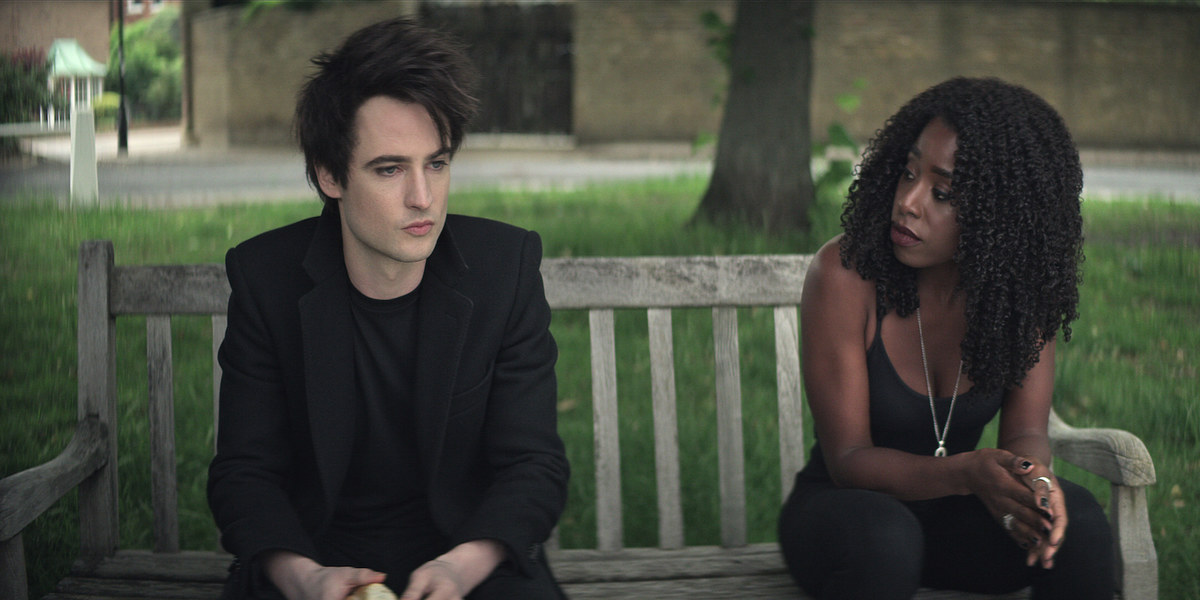


Tom Sturridge as Morpheus and Kirby Howell-Baptiste as Death in ‘The Sandman.’ (Supplied)

Props, too, to Sturridge for not buckling under the weight of such a momentous character — one beloved by decades of readers. While his performance, at times, relies on such intense whispering as to almost be shouting, Sturridge makes Morpheus a believably fallible protagonist, and a charismatic guide through Gaiman’s fantastically vivid world.

“The Sandman” is many things — fantastical, dark, malevolent, violent, shocking, horrifying and heartwarming — and often several of those at the same time. Weaving such a fanciful tapestry is no mean task, especially in a genre about to get a lot busier with new “Lord of the Rings” and “Game of Thrones” series on the way. 

“The Sandman” does more than hold its own, however, and while there may be some fans unhappy at some of the tweaks made between page and screen, this remains epic, dazzling, complicated fantasy.


Review: ‘Relay’

Updated 21 December 2025
Follow

Review: ‘Relay’

RIYADH: “Relay” is a thriller that knows what its role is in an era of overly explained plots and predictable pacing, making it feel at once refreshing and strangely nostalgic. 

I went into the 2025 film with genuine curiosity after listening to Academy Award-winning British actor Riz Ahmed talk about it on Podcrushed, a podcast by “You” star Penn Badgley. Within the first half hour I was already texting my friends to add it to their watchlists.

There is something confident and restrained about “Relay” that pulls you in, and much of that assurance comes from the film’s lead actors. Ahmed gives a measured, deeply controlled performance as Ash, a man who operates in the shadows with precision and discipline. He excels at disappearing, slipping between identities, and staying one step ahead, yet the story is careful not to mythologize him as untouchable. 

Every pause, glance, and decision carries weight, making Ash feel intelligent and capable. It is one of those roles where presence does most of the work.

Lily James brings a vital counterbalance as Sarah, a woman caught at a moral and emotional crossroads, who is both vulnerable and resilient. The slow-burn connection between her and Ash is shaped by shared isolation and his growing desire to protect her.

The premise is deceptively simple. Ash acts as a middleman for people entangled in corporate crimes, using a relay system to communicate and extract them safely. 

The film’s most inventive choice is its use of the Telecommunications Relay Service — used by people who are deaf and hard of hearing to communicate over the phone — as a central plot device, thoughtfully integrating a vital accessibility tool into the heart of the story. 

As conversations between Ash and Sarah unfold through the relay system, the film builds a unique sense of intimacy and suspense, using its structure to shape tension in a way that feels cleverly crafted.

“Relay” plays like a retro crime thriller, echoing classic spy films in its mood and pacing while grounding itself in contemporary anxieties. 

Beneath the mechanics and thrills of the plot, it is about loneliness, the longing to be seen, and the murky ethics of survival in systems designed to crush individuals. 

If you are a life-long fan of thrillers, “Relay” might still manage to surprise you.