

Dubai utility DEWA earns $3.3bn in first-half revenue after record IPO

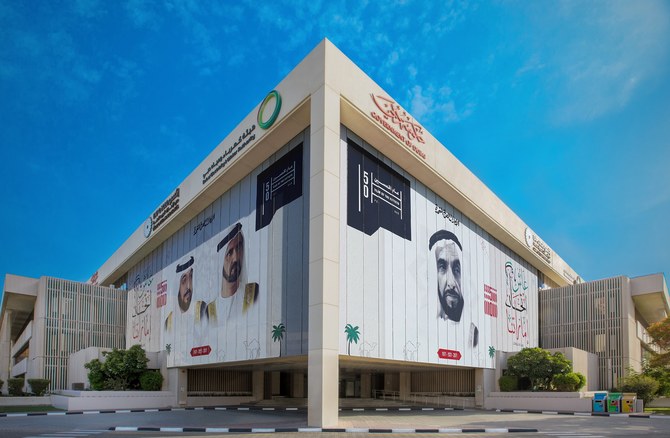
The state utility’s profit grew 33 percent on the year to 3.3 billion dirhams in the first half of 2022. (Supplied)
Short Url
Updated 11 August 2022
Follow

Dubai utility DEWA earns $3.3bn in first-half revenue after record IPO

RIYADH: Dubai Electricity and Water Authority has reported 12.08 billion dirhams ($3.3 billion) in first-half revenue, which is 12 percent up from the prior-year period, driven by increased energy demand after a record $6.1 billion initial public offering earlier this year.

With a market cap of nearly 127 billion dirhams, the state utility’s profit grew 33 percent on the year to 3.3 billion dirhams in the first half of 2022, according to a statement.

“Continued focus on project delivery, innovation, and accelerating our digital transformation has bolstered our results through the first six months of 2022,” said CEO Saeed Al-Tayer, commenting on the results.

The demand for energy during the six-month period hit 23.3 terawatt-hours, compared to 21.9 in the same period in 2021, of which solar contributed 10 percent.

Similarly, DEWA’s water demand in the same period rose by 6.4 percent, whereas its peak demand was up 7 percent to 9.4 gigawatts.

In an interview with Asharq, the firm’s CEO noted that DEWA will issue tenders for water production and seawater desalination to the private sector using clean energy during the coming period.

Al-Tayer confirmed that following Dubai’s success in the electricity privatization attempt, it will move towards privatizing the water sector as well. 

Investment of the private sector in the energy field in Dubai is estimated at over 40 billion dirhams, Asharq reported.

The CEO added that it is difficult to privatize the energy transmission sector in the emirate, as it is managed with high efficiency, with a percentage of losses amounting to only 3 percent compared to 7 percent previously.


Saudi Arabia’s foreign reserves rise to a 6-year high of $475bn

Updated 22 February 2026
Follow

Saudi Arabia’s foreign reserves rise to a 6-year high of $475bn

RIYADH: Saudi Arabia’s foreign reserves climbed 3 percent month on month in January to SR1.78 trillion, up SR58.7 billion ($15.6 billion) from December and marking a six-year high.

On an annual basis, the Saudi Central Bank’s net foreign assets rose by 10 percent, equivalent to SR155.8 billion, according to data from the Saudi Central Bank, Argaam reported.

The reserve assets, a crucial indicator of economic stability and external financial strength, comprise several key components.

According to the central bank, also known as SAMA, the Kingdom’s reserves include foreign securities, foreign currency, and bank deposits, as well as its reserve position at the International Monetary Fund, Special Drawing Rights, and monetary gold.

The rise in reserves underscores the strength and liquidity of the Kingdom’s financial position and aligns with Saudi Arabia’s goal of strengthening its financial safety net as it advances economic diversification under Vision 2030.

The value of foreign currency reserves, which represent approximately 95 percent of the total holdings, increased by about 10 percent during January 2026 compared to the same month in 2025, reaching SR1.68 trillion.

The value of the reserve at the IMF increased by 9 percent to reach SR13.1 billion.

Meanwhile, SDRs rose by 5 percent during the period to reach SR80.5 billion.

The Kingdom’s gold reserves remained stable at SR1.62 billion, the same level it has maintained since January 2008.

Saudi Arabia’s foreign reserve assets saw a monthly rise of 5 percent in November, climbing to SR1.74 trillion, according to the Kingdom’s central bank.

Overall, the continued advancement in reserve assets highlights the strength of Saudi Arabia’s fiscal and monetary buffers. These resources support the national currency, help maintain financial system stability, and enhance the country’s ability to navigate global economic volatility.

The sustained accumulation of foreign reserves is a critical pillar of the Kingdom’s economic stability. It directly reinforces investor confidence in the riyal’s peg to the US dollar, a foundational monetary policy, by providing SAMA with ample resources to defend the currency if needed.

Furthermore, this financial buffer enhances the nation’s sovereign credit profile, lowers national borrowing costs, and provides essential fiscal space to navigate global economic volatility while continuing to fund its ambitious Vision 2030 transformation agenda.