WASHINGTON: The United States on Monday imposed sanctions on Chinese and other companies it said were used by one of Iran’s largest petrochemical brokers to sell tens of millions of dollars’ worth of Iranian products to East Asia, as Washington continues to crack down on Iranian oil sales to the region.
The US Treasury Department in a statement accused the designated companies of being used by Iran’s Persian Gulf Petrochemical Industry Commercial Co. to facilitate the sale of Iranian petroleum and petrochemical products from Iran to East Asia.
The US Treasury and the US State Departments imposed sanctions on a total of six companies in actions that were announced in separate statements.
The action freezes any US-based assets and generally bars Americans from dealing with them. Those that engage in certain transactions with the firms also risk being hit by sanctions.
Since taking office in January 2021, US President Joe Biden has been loathe to sanction Chinese entities engaged in the oil and petrochemical trade with Iran due to hopes of securing an agreement to revive the 2015 Iran nuclear deal.
Efforts to resurrect the deal — under which Iran had curbed its nuclear program in exchange for relief from US and other sanctions — have so far failed, leading the US administration to look for other ways to increase pressure on Iran.
“The United States continues to pursue the path of diplomacy to achieve a mutual return to full implementation of the Joint Comprehensive Plan of Action,” the Treasury’s Under Secretary of for Terrorism and Financial Intelligence, Brian Nelson, said in the statement, referring to the 2015 deal by its formal name.
“Until such time as Iran is ready to return to full implementation of its commitments, we will continue to enforce sanctions on the illicit sale of Iranian petroleum and petrochemicals.”


![]()

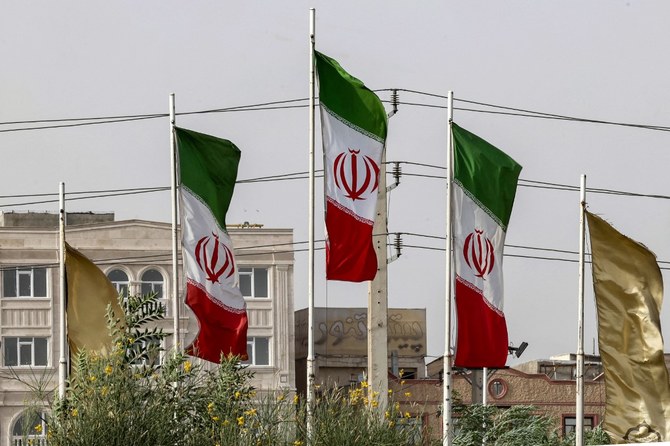
US issues fresh Iran sanctions
Short Url
https://arab.news/rmfqu
US issues fresh Iran sanctions
- The action freezes any US-based assets and generally bars Americans from dealing with them
- Those that engage in certain transactions with the firms also risk being hit by sanctions


Latest updates


Recommended


© 2026 SAUDI RESEARCH & PUBLISHING COMPANY, All Rights Reserved And subject to Terms of Use Agreement.