With Pakistan among top buyers, Dubai real estate sales surge 60%

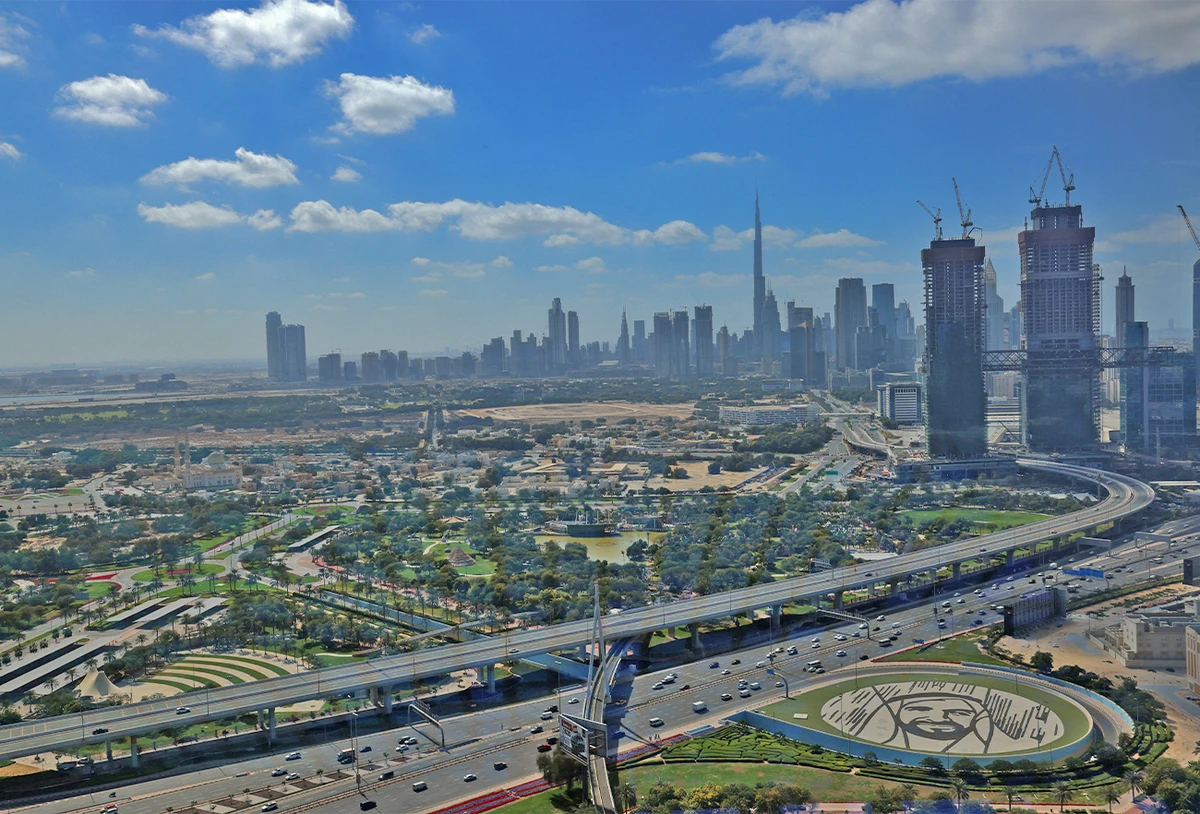
This picture taken on on February 1, 2021 shows a view of the downtown Dubai skyline, with Burj Khalifa, as seen from the Dubai Frame vantage point. (AFP/File)
Short Url
Updated 29 July 2022
Follow

With Pakistan among top buyers, Dubai real estate sales surge 60%

  • Russians among top five buyers as emirate benefits from influx of wealth in wake of Western sanctions
  • Top buyers were from India, UK, Italy, Russia and France, Canada, UAE, Pakistan and Egypt

DUBAI: Dubai’s red-hot property market surged in the first half of the year as investors piled in, while Russians were among the top five buyers as the emirate benefits from an influx of wealth in the wake of Western sanctions.

The first half saw residential real estate transaction volumes up 60 percent with an 85 percent rise in the value of property sold, property consultancy Betterhomes said in a report.

The top buyers were from India, the United Kingdom, Italy, Russia and France, in that order, followed by Canada, the United Arab Emirates, Pakistan and Egypt tied in eighth place, Lebanon and China.

Demand was boosted by geopolitical instability in Europe and mortgage buyers looking to get in ahead of well-telegraphed interest rate hikes as central banks tackle inflation, Betterhomes said.

Reuters reported earlier this year that Russians were pouring money into Dubai real estate as they seek a financial haven in the wake of Western sanctions on Moscow over its invasion of Ukraine.

“The market has faced growing headwinds in the form of rising interest rates and a strengthening dollar, but has so far proven to be robust with little sign of slowing,” Betterhomes said.

In the first half of the year, a record 37,762 units were sold, it said, citing Dubai Land Department data. Total transactions in the residential property market amounted to nearly 89 billion dirhams ($24.23 billion), it added.

Dubai’s property market began recovering from 2020’s severe downturn early last year with buyers snapping up luxury units as the emirate eased pandemic restrictions faster than most cities around the world.

Pakistan urges world to treat water insecurity as global risk, flags India treaty suspension

Updated 5 sec ago
Follow

Pakistan urges world to treat water insecurity as global risk, flags India treaty suspension

  • Pakistan says it is strengthening water management but national action alone is insufficient
  • India unilaterally suspended Indus Waters Treaty last year, leading to irregular river flows

ISLAMABAD: Pakistan on Tuesday urged the international community to recognize water insecurity as a “systemic global risk,” warning that disruptions in shared river basins threaten food security, livelihoods and regional stability, as it criticized India’s handling of transboundary water flows.

The call comes amid heightened tensions after India’s unilateral decision last year to hold the 1960 Indus Waters Treaty “in abeyance,” a move Islamabad says has undermined predictability in river flows and compounded climate-driven vulnerabilities downstream.

“Across regions, water insecurity has become a systemic risk, affecting food production, energy systems, public health, livelihoods and human security,” Pakistan’s Acting Permanent Representative to the United Nations, Ambassador Usman Jadoon, told a UN policy roundtable on global water stress.

“For Pakistan, this is a lived reality,” he said, describing the country as a climate-vulnerable, lower-riparian state facing floods, droughts, accelerated glacier melt, groundwater depletion and rapid population growth, all of which are placing strain on already stressed water systems.

Jadoon said Pakistan was strengthening water resilience through integrated planning, flood protection, irrigation rehabilitation, groundwater replenishment and ecosystem restoration, including initiatives such as Living Indus and Recharge Pakistan, but warned that domestic measures alone were insufficient.

He noted the Indus River Basin sustains one of the world’s largest contiguous irrigation systems, provides more than 80 percent of Pakistan’s agricultural water needs and supports the livelihoods of over 240 million people.

The Pakistani diplomat said the Indus Waters Treaty had for decades provided a framework for equitable water management, but India’s decision to suspend its operation, followed by unannounced flow disruptions and the withholding of hydrological data, had created an unprecedented challenge for Pakistan’s water security.

Pakistan has said the treaty remains legally binding and does not permit unilateral suspension or modification.

The issue has gained urgency as Pakistan continues to recover from last year’s monsoon floods, which killed more than 1,000 people and devastated farmland in Punjab, the country’s eastern breadbasket, in what officials described as severe riverine flooding.

Last month, Deputy Prime Minister Ishaq Dar said Pakistan had observed abrupt variations in river flows from India, creating uncertainty for farmers in Punjab during critical periods of the agricultural cycle.

“As we move toward the 2026 UN Water Conference, Pakistan believes the process must acknowledge water insecurity as a systemic global risk, place cooperation and respect for international water law at the center of shared water governance, and ensure that commitments translate into real protection for vulnerable downstream communities,” Jadoon said.