

Financing NEOM is the next big move

A handout picture provided by Saudi's NEOM on July 26, 2022 shows the design plan for the 500-meter tall parallel structures, known collectively as The Line, in the heart of the Red Sea megacity NEOM. (AFP)
Short Url
Updated 02 August 2022
Follow

Financing NEOM is the next big move

  • The immense project has captured the hearts and minds of Saudi investors who are patiently waiting to be part of history

RIYADH: As NEOM’s The Line designs have been revealed, the focus is now shifting to funding the development.

“The planned funding of NEOM’s ambitious The Line project is also on a truly epic scale,” according to London-based economist and former King Fahd University of Petroleum and Minerals Prof. Mohamed Ramady. 

The crown prince’s bold proposals aptly underscore what NEOM is all about, that all of humanity, not only Saudi Arabia will benefit from.

Mohamed Ramady, London-based economist.

“It will not be an easy task as global investors will have to be satisfied with the different NEOM project viabilities, execution timescales and acceptable rates of return,” he told Arab News.

Investors will take into account the premium pricing for such new ventures and risks, future inflationary cost increases as well as higher interest rates, he added.

The project’s masterminds are already aware of the challenges and what is needed to bring in investors. 

Talking to reporters on July 25, Saudi Crown Prince Mohammed bin Salman revealed investments for NEOM’s first phase could reach SR1.2 trillion by 2030.

He also acknowledged that NEOM’s capital will come from sovereign wealth funds, initial public offering, and international private investors, adding this will be the main challenge to overcome in the next two years.

The Crown Prince also made clear the project will depend on government support until 2030 with an additional SR200 to SR300 billion in state funding, in addition to the investments the Public Investment Fund will put in the project.

Work on the internal rate of return is still going on, he said, adding it will be between 9 and 16 percent.

“The Crown Prince noted that eventually the source of funding will be from private sector and IPO proceeds of the PIF entities, which will also help Saudi stock market to achieve a global dominance, with SR5 trillion in new IPO proceeds from NEOM surpassing the mega Aramco IPO,” Ramady added.

In addition, Ramady said that international contractors might participate in NEOM on a BOT basis — build, operate and transfer model — while hedge funds and other sovereign wealth funds will be key funding partners, “especially those with long-term Saudi risk appetite and confidence in the Kingdom's non-oil economic transformation.”
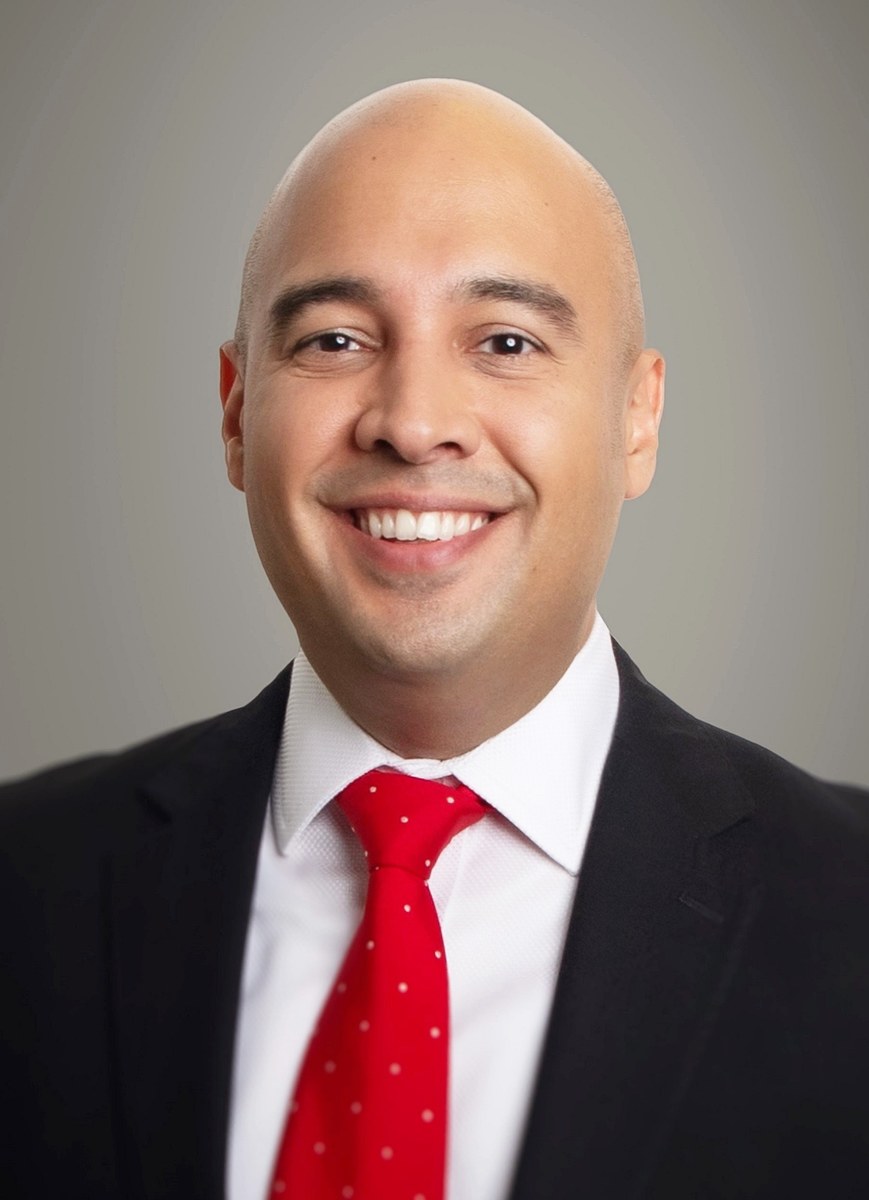


Faisal Durrani

“Indeed, nearly one in five Saudis would like to live in NEOM,” he said.

Faisal Durrani, partner and head of Middle East Research at Knight Frank

Yet there is optimism building around the project.

Faisal Durrani, partner and head of Middle East Research at Knight Frank, told Arab News that attracting this level of investment will rapidly unlock NEOM’s development schedule. 

“The immense project has captured the hearts and minds of Saudi investors who are patiently waiting to be part of history. Indeed, nearly one in five Saudis would like to live in NEOM,” he said. 

“The bold vision of Saudi is unfolding rapidly and plans for NEOM’s multi-billion dollar IPO will help to cement the Kingdom’s spectacular vision in the minds of the global investment community,” added Durrani.


Middle East AI adoption reaches 75%, beating global average: PwC survey 

Updated 19 December 2025
Follow

Middle East AI adoption reaches 75%, beating global average: PwC survey 

RIYADH: Artificial intelligence is becoming embedded across Middle East workplaces, with 75 percent of employees using AI tools at work over the past year, a higher rate than the 69 percent global average, a new survey showed.

According to PwC’s Middle East Workforce Hopes and Fears Survey 2025, the region is outpacing global peers in adopting AI for everyday work, driven by government and corporate digital transformation efforts.

Based on responses from 1,286 employees, the survey indicates AI use has moved beyond pilot stages, with 32 percent of workers using generative AI tools daily — above the global average of 28 percent and reflecting growing familiarity with AI-driven workflows.

The survey findings align with trends observed in Saudi Arabia, where advanced technologies such as AI are being widely embraced across workplaces.

In November, a report released by KPMG highlighted the Kingdom’s progress in the technology sector, noting that 84 percent of CEOs in Saudi Arabia are ready to deploy AI responsibly — well above the 76 percent global benchmark — supported by the Kingdom’s data governance ecosystem, including national initiatives led by the Saudi Data and Artificial Intelligence Authority. 

Earlier this month, data from the Global AI Index revealed that Saudi Arabia ranked fifth globally and first in the Arab region for growth in the AI sector. 

Commenting on the findings, Randa Bahsoun, partner at PwC Middle East, said: “As employees confidently embrace change, build new capabilities and show remarkable adaptability with AI, they also want to feel secure and supported.” 

She added: “Organizations that provide clarity on how roles will evolve, expand access to learning and protect wellbeing will be the ones that retain talent and get ahead in a fast-changing labor market.” 

Adapting to the tech-driven future 

The latest PwC survey found that the Middle East workforce is confidently leading the integration of AI into daily work, while prioritizing job security and skills development at higher rates than their global counterparts.

According to the report, 49 percent of employees in the region expect technological change — including AI, robotics and automation — to impact their jobs to a large or very large extent over the next three years, compared with 45 percent globally.

PwC said this trend reflects not only higher adoption, but also greater readiness and comfort with next-generation technologies across the region. 

Employees in the Middle East increasingly view emerging technologies as tools that enhance productivity and creativity rather than threats to job security. 

Around eight out of 10 employees said AI has improved their productivity, with 87 percent reporting higher-quality work and 84 percent citing increased creativity. 

Higher confidence among younger employees 

The survey found that younger employees in the region demonstrate significantly higher confidence in AI’s potential, with millennials and Gen Z being the most hands-on users of AI tools. These groups are adopting new technologies quickly and often outpacing older cohorts in both usage and creative application. 

“This puts early career employees in a strong position to adapt to the evolving technological demands of entry-level roles,” said PwC. 

It added: “For employers, this is an opportunity to leverage younger talent to drive digital adoption and performance, while providing guidance, clarity and support as AI continues to reshape the future of work.” 

Acquiring the tools

Skills development remains a defining priority for the Middle East workforce, according to the survey. 

The report found that 69 percent of employees in the region gained new skills over the past 12 months, compared with 56 percent globally. 

Some 81 percent of respondents said they would prefer a job that offers opportunities to build transferable skills — higher than the 69 percent global average. 

Job security has also emerged as the top priority, with 85 percent of employees saying it is very important. 

“As employees in the Middle East seek balance and flexibility, their expectations of career progression and reward are also evolving. Fewer employees are asking for a pay rise than last year, signalling a more cautious labor market,” said PwC. 

The report found that engagement levels among the Middle East workforce remain among the highest globally, with 78 percent of regional employees saying they look forward to going to work, compared with 64 percent globally. 

Despite this high level of engagement, 45 percent of employees said they feel fatigued at least once a week, and nearly half reported feeling overwhelmed, indicating that workload intensity is becoming a significant pressure point. 

Converting momentum to benefits 

PwC highlighted several actions organizations should prioritize to convert the current AI momentum into a lasting advantage. 

The firm said companies should communicate clearly and consistently about where AI technologies are being deployed, what will change across processes, how job roles will be affected and where new value will be created. 

The report also emphasized the importance of building a continuously evolving, future-ready, skills-first workforce that can fully harness AI’s potential. 

“Leaders need to ensure upskilling, reskilling and capability building move 22 beyond periodic initiatives and become a key element of their organizations’ forward-looking business strategy,” said PwC. 

It added: “This means identifying future skill needs early, assessing current capabilities to understand gaps and using those insights to create development pathways tailored to roles, seniority and diverse career trajectories.” 

Companies should also foster a culture of agility and innovation and equip managers to effectively support AI-enabled teams. 

PwC said managers must have the clarity, tools and protected time needed to coach teams, support skill development and manage workloads in ways that sustain employee engagement and wellbeing. 

“This can be achieved by setting clear performance expectations for managers around employee development and wellbeing and supporting them with the knowledge and guidance needed to fulfil these responsibilities,” added PwC. 

Organizations should also prioritize flexibility, autonomy and balanced workloads to sustain high performance, giving employees the freedom and clarity to manage their work effectively. 

The report suggested that expanding flexible work arrangements, strengthening autonomy in day-to-day decision-making and giving teams a greater voice in how work gets done could help employees perform at their best. 

“The Middle East’s workforce continues to demonstrate a powerful blend of optimism, ambition and adaptability. The challenge now is for leaders to amplify these strengths through vision, transparency and care – ensuring that technology, trust and talent progress together,” concluded the report. 

Earlier this month, a KPMG report echoed similar views, saying UAE CEOs are accelerating investment in artificial intelligence while prioritizing people, skills and responsible innovation as core drivers of future growth. 

The report said 84 percent of CEOs in the UAE expect to expand headcount over the next three years, while 80 percent are already redesigning roles to integrate AI collaboration across their businesses.