

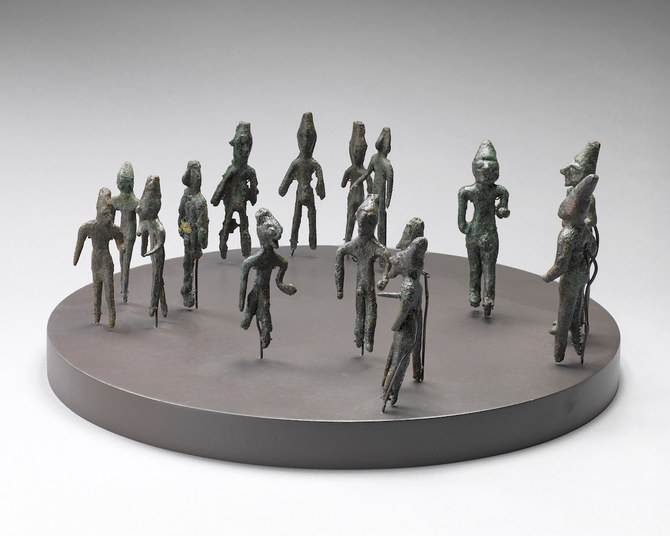
The French connection: Louvre opens exhibition of artefacts from Byblos

Ensemble de figurines votives, Byblos Musée du Louvre, Raphaël Chipault. (Supplied)
Short Url
Updated 02 July 2022
Follow

The French connection: Louvre opens exhibition of artefacts from Byblos

PARIS: A new exhibition at Paris’ Louvre Museum illustrates the longstanding cultural relationship between France and Lebanon.

“Byblos et le Louvre,” which runs until Sept. 11, is a unique display of archaeological artifacts from the Lebanese seaport town of Byblos (also known as Jbeil), one of the world’s oldest continuously inhabited cities. 

Visitors will find ceramic jars, small figurines, cuneiform tablets, and ancient weapons on display, some of which are thousands of years old. Despite their age, many of the items are in remarkably good condition. 


Ensemble figurines votives, Byblos Musée du Louvre, Raphaël Chipault. (Supplied)

“What is amazing is the pottery, which looks like it’s been made yesterday,” Tania Zaven, the Byblos site and excavation program director of Lebanon’s Directorate General of Antiquities, told Arab News. 

For Louvre archaeologist Julien Chanteau, the excavation director, Byblos is a hugely significant site with a lot of stories to tell. 

“It’s a very small site, maybe six hectares. But you can read all the history of mankind there, from the Neolithic period until today,” Chanteau said. “Byblos is like a book. 
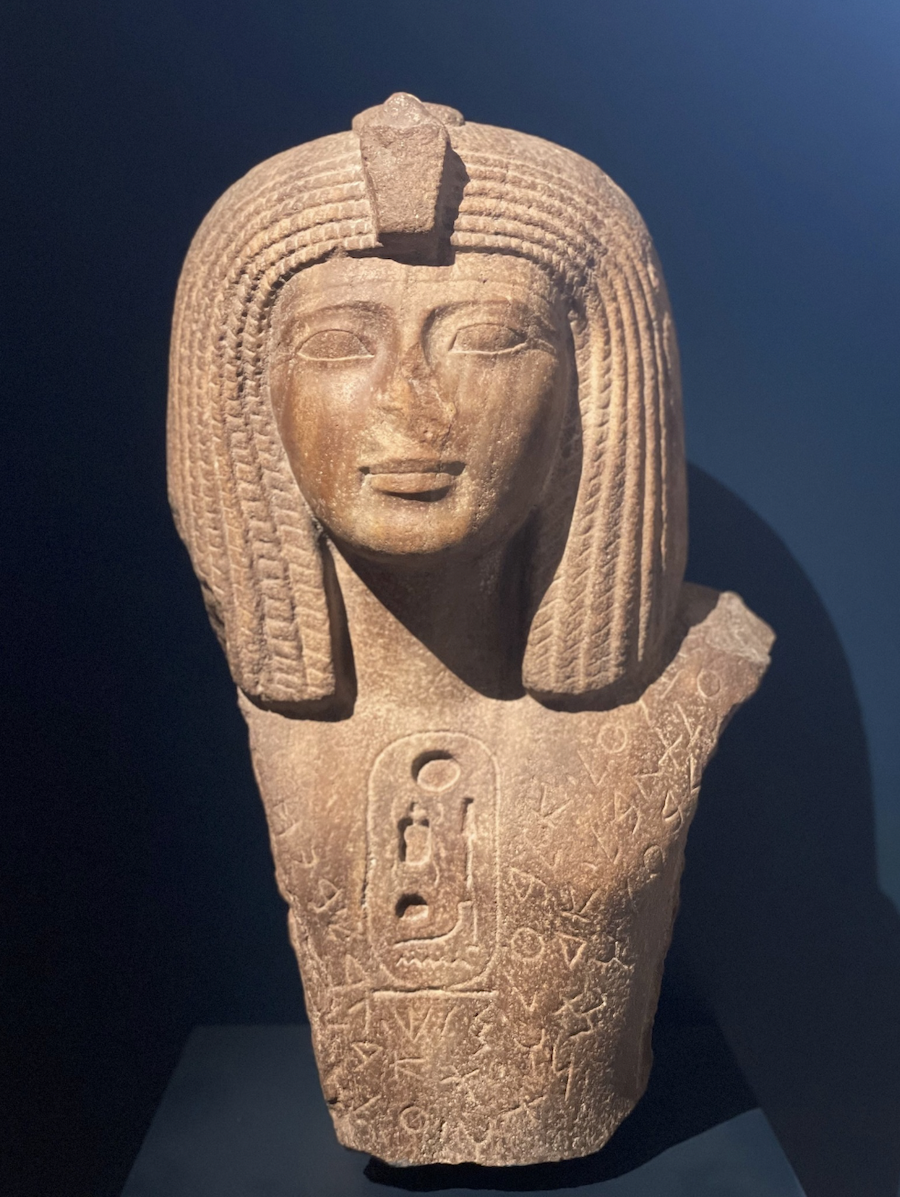


Byblos et le Louvre. (Supplied)

“You have all cultures and civilizations: The Egyptians, the Canaanites, the Phoenicians, the Romans, the Greeks, and the Arabs have all left traces on this site,” he continued. “It’s very impressive for an archeologist to have such an amount of information. It’s like a chronicle of humanity.” 

Under Napoleon III, the first French-led excavations in Byblos began in 1860, led by scholar Ernest Renan. He brought many objects back to France, and released detailed publications of the excavation. 

Excavations have continued to the present day — although they were interrupted in the Seventies because of the Lebanese Civil War. In 2019, a scientific excavation program was relaunched, pairing archaeologists and experts from the Louvre Museum and the DGA. 
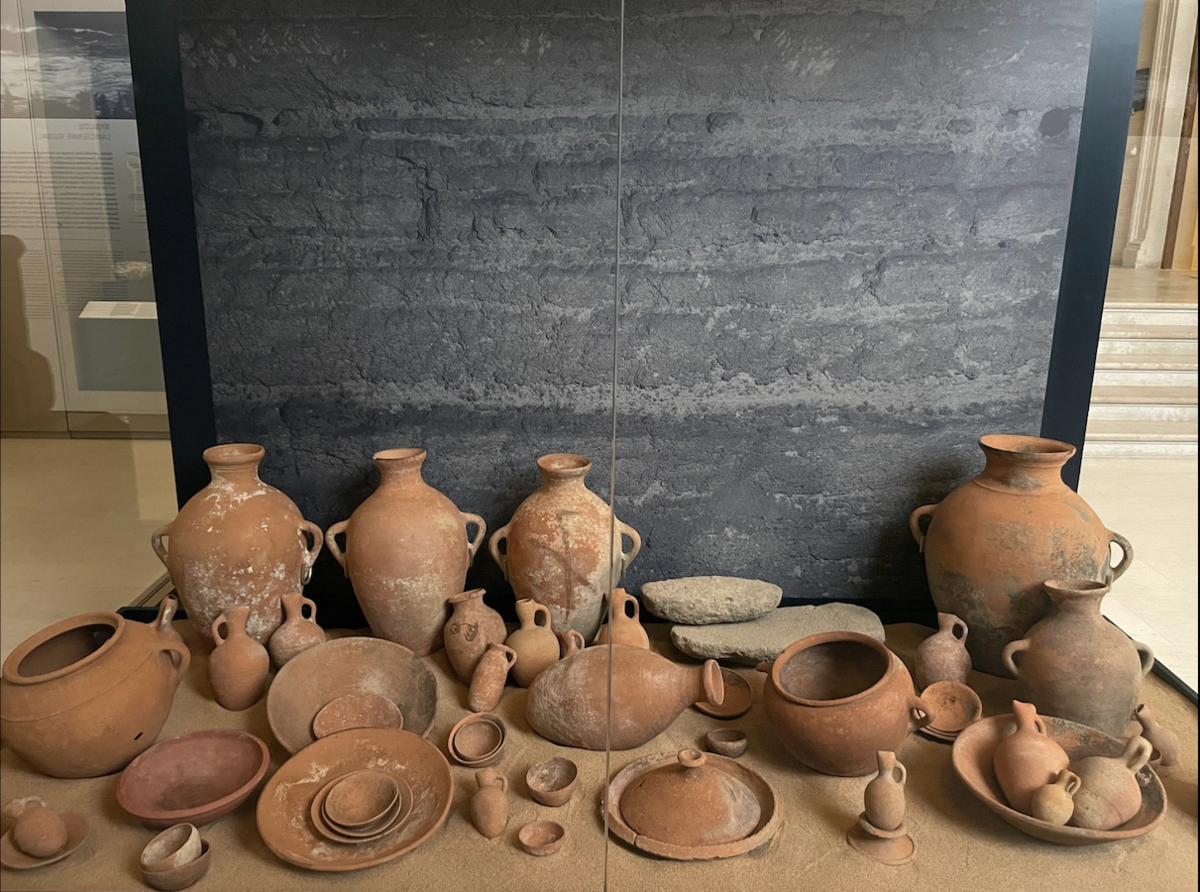


Byblos et le Louvre. (Supplied)

Zaven noted some of the challenges of undertaking archeological missions in Lebanon, including security and looting. “Every day we are working against illicit trafficking,” she said. “We wanted to have this exhibition to show that Lebanon is still here. We believe in our culture and we want our culture to stay alive.” 

In October, the exhibition will travel to the archaeological museum in the Dutch city of Leiden. It will also be exhibited, next spring, in a traditional house in Byblos, coming full circle. 


Mini op-ed: Coffee, fasting and finding your rhythm this Ramadan

Updated 17 February 2026
Follow

Mini op-ed: Coffee, fasting and finding your rhythm this Ramadan

DUBAI: Ramadan is a month of reflection, balance and listening more closely to our bodies. It is also a time when everyday rituals, including coffee, naturally shift. Rather than giving it up completely, many people simply change how, when and what they drink. And that is where a little understanding can go a long way.

There is no single “right” way to enjoy coffee during Ramadan. Taste preferences, caffeine sensitivity, work schedules and sleep patterns are deeply personal. The key is finding what supports you during the fast.

Suhoor, the pre-dawn meal before fasting begins, is often where people think carefully about caffeine. Some find a small coffee helps them feel alert through the morning. Others prefer to avoid it so they can return to sleep more easily after the meal. How you metabolize caffeine plays a big role here, some people feel energized for hours, while others crash quickly or feel jittery.

Choosing a lower-caffeine option can help. Coffees made from 100 percent Arabica beans naturally contain less caffeine than Robusta, while still offering plenty of flavor and aroma.

Iftar, traditionally broken with water and dates, is usually followed by a light meal or soup. Coffee often comes later, once the body has rehydrated and blood sugar levels have stabilized. Enjoyed mindfully, it can be part of a beautiful evening ritual rather than a stimulant.

There is no single “right” way to enjoy coffee during Ramadan. Taste preferences, caffeine sensitivity, work schedules and sleep patterns are deeply personal. (Shutterstock) 

One of the most important things to remember during Ramadan is hydration. Coffee should never replace water, especially when fasting hours are long. Drinking enough water between iftar and suhoor helps reduce fatigue and headaches far more effectively than extra caffeine.

Added sugar in coffee can also cause blood sugar spikes, followed by dips in energy. If you enjoy sweetness, try reducing it slightly or pairing coffee with food to soften the impact.

If you are worried about caffeine withdrawal during Ramadan, decaffeinated coffee can be a very helpful bridge. High-quality decaf, such as coffee processed using the Swiss water method (which avoids chemical solvents), retains flavor while removing most of the caffeine.

Ramadan is not about restriction for restriction’s sake. It is about awareness, intention and care, including care for your own body. Coffee can absolutely remain part of that journey, as long as it’s enjoyed thoughtfully.

Whether you choose to drink less, switch origins, reduce caffeine or simply slow down and savor it more, the best coffee choice this Ramadan is the one that supports your rhythm, your rest and your well-being.

Here are a few RAW coffees that feel gentle, balanced and comforting during Ramadan:

RITUAL Blend
Created at the request of many customers from the Levant, this is our only blend that combines Arabica with a small amount of Robusta. The result is a bold, full body with very low acidity. Smooth and grounding, it works beautifully as espresso, Moka pot or Turkish coffee, and pairs well with milk.

Brazil — Serra Dos Ciganos (Single Origin)
A beautifully approachable coffee with tasting notes of roasted hazelnuts, nougat, baker’s chocolate and pear. Comforting and elegant, especially when brewed.

Guatemala — Pampojila Natural
Often chosen as a “breakfast coffee”, this is gently sweet with notes of brown sugar, nuts and orange, offering a medium body and soft fruit character.

Mexico — Mazateca
Another favourite for earlier in the day, with flavors of orange, malted barley and cacao, balanced, warm and easy to drink.

Kim Thompson is the founder and director of Culture & Brand at RAW Coffee Co.