

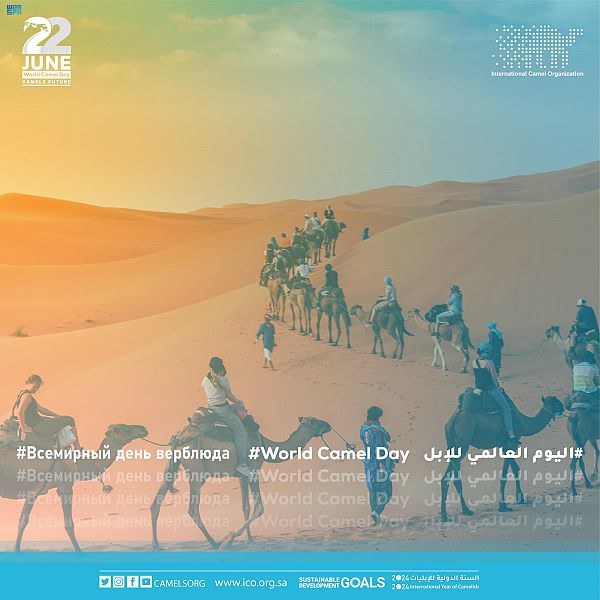
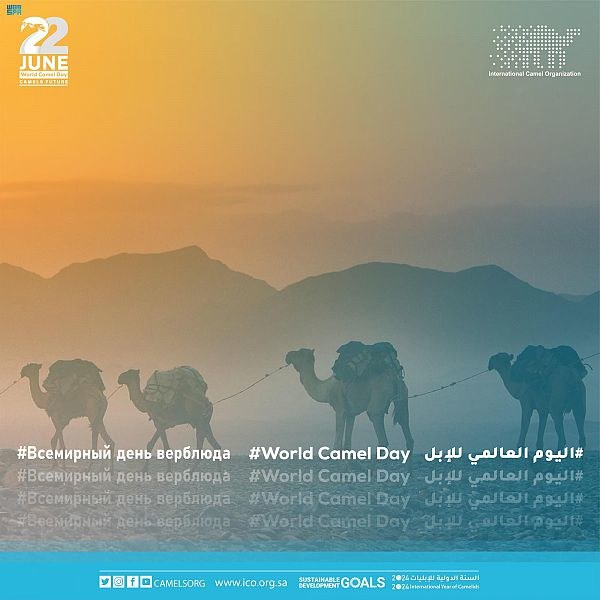
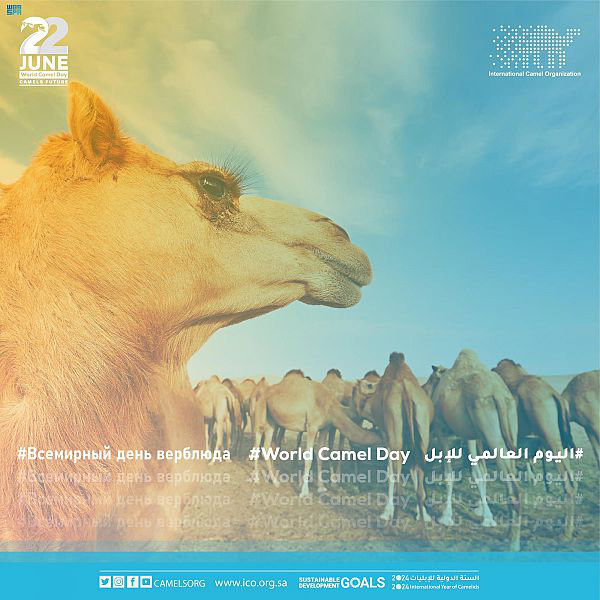
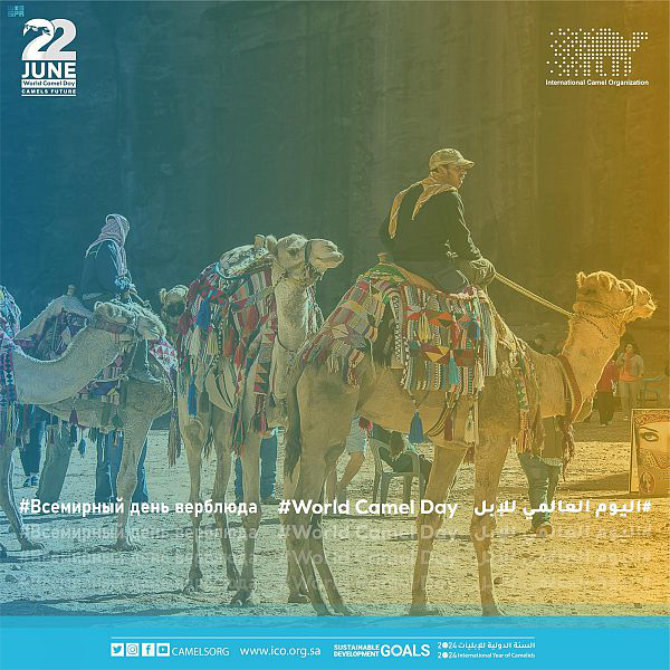

RIYADH: The animal most closely associated with Saudi Arabia took center stage on Wednesday as the Kingdom joined worldwide celebrations to mark World Camel Day.
Camels have been man’s companion for thousands of years since playing an integral part in the rise of ancient cultures.
World Camel Day on June 22 aims to chart the future of the desert animal by educating people about its history, as well as improving its living environment so that people can benefit fully from its products.
Fahd bin Hithleen, chairman of the Saudi Camel Club, said that the day helps to remind people of camel’s role in their lives.
Bin Hithleen, who also founded the International Camel Organization, said that since the organization’s inception, efforts have been made to remind people of the importance of camels and to promote a “culture of camel care.”
The Saudi Camel Club hopes to capitalize on World Camel Day by connecting owners in the Kingdom with their counterparts worldwide, opening the door for greater international participation in the King Abdulaziz Camel Festival.
Camel owners from France, the US and Mexico competed in the international open round of the festival’s previous edition, with some winning prizes.
According to bin Hithleen, the Saudi Camel Club has paved the way for a “prosperous economic sector that reflects on camel owners, opens large markets for them, as well as providing veterinary equipment and preserving rare breeds.”
ICO, a nonprofit organization based in Riyadh, was founded in 2019 and has about 105 member countries worldwide.
Mohammed Al-Ruwaili, a member of the Abdulrahman Al-Sudairy Cultural Center, said that camels have played a central role in the economic and cultural lives of the people of the Arabian Peninsula, particularly those living in the desert regions.
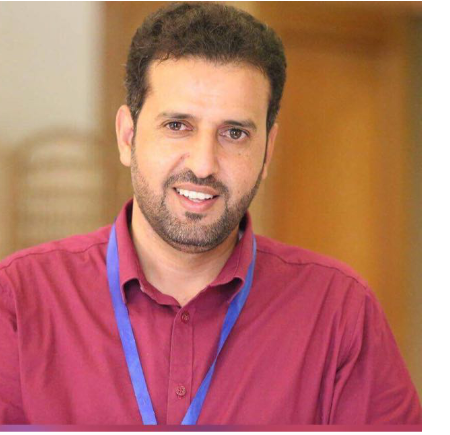
Mohammed Al-Ruwaili. (Supplied photo)
Al-Ruwaili, who is also a board member of Al-Jouf Literary and Cultural Club, highlighted the “pioneering initiative” launched by the late emir of Al-Jouf, Prince Abdulrahman Al-Sudairi, in holding the Kingdom’s first organized camel race in 1963.
Abdullah Alsharekh, who works in the department of archaeology at King Saud University, said camels have been a cultural, economic and national symbol of Arabia for thousands of years.
“The camel was a survival tool for the residents of Arabia and its desolate land. It was a source of food, a means of transport, and a vehicle used in warfare and hunting expeditions,” he said.
“A camel was sculpted in its natural size in Al-Jouf region, which came to be regarded as possibly the earliest life-sized sculpted camel in the world.”
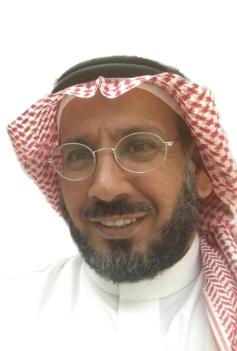
Dr. Abdullah M. Alsharekh. (Supplied photo)
He said that thousands of rock art engravings and drawings over the mountains of Saudi Arabia are testimony to the historical movement of people for trade, pilgrimage and travel across Arabia and beyond.
Camel herding and ownership are still practiced today, with breeders keeping detailed genealogies.
Alsharekh said that camels continue to play a major role in modern society through breeding, and as a source of meat, as well as traditional crafts and materials.
Talal Al-Sharhan, chairman of the Heritage Ambassadors Association, said that camels have a long and glorious history for Saudis, in particular, and for Arab people in general.

Talal Al-Sharhan. (Supplied photo)
“They are a source of livelihood, and Arabs in the past relied on them, and still benefit and cherish them. Camels are mentioned in the Holy Qur’an,” he said.
Al-Sharhan added: “A nation with no history has no future, and those with no connection to their past will be unable to build their future.”


