

Russia bans dozens of UK journalists, defense officials and MPs

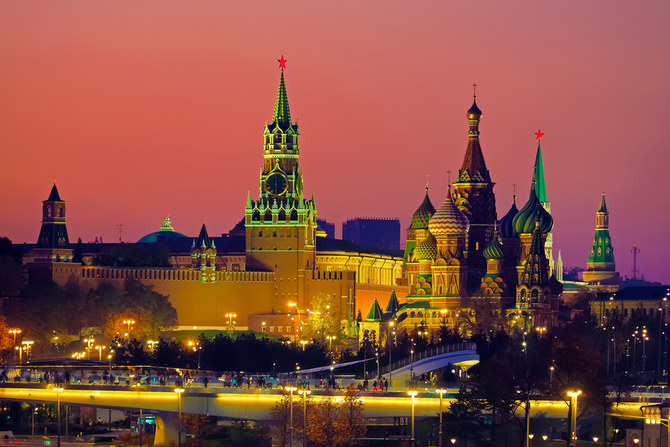
The list targets British journalists working for the BBC, the Sunday Times, the Daily Mail, the Independent, and others. (Shutterstock image)
Short Url
Updated 15 June 2022
Follow

Russia bans dozens of UK journalists, defense officials and MPs

LONDON: Russia banned on Wednesday 29 British journalists, including five Guardian journalists, four BBC journalists and the Financial Times chief foreign affairs commentator from entering the country. 

The Russian Foreign Ministry said in a statement: “The British journalists included in the list are involved in the deliberate dissemination of false and one-sided information about Russia and events in Ukraine and Donbas.”

The statement added that the decision was a response to Western sanctions and the “spreading of false information about Russia,” as well as the “anti-Russian actions of the British government.”

The list targets British journalists working for the BBC, the Sunday Times, the Daily Mail, the Independent, the Daily Telegraph, Sky News and a number of other outlets. 

The editors-in-chief of the Times, Daily Telegraph, Daily Mail and Independent were also listed.

Additionally, Russia banned 20 individuals described as “associated with the defense complex,” namely military figures, senior aerospace figures and MPs, including UK Minister of State for Defense Procurement Jeremy Quin and Air Chief Marshal Mike Wigston. 

Russia said that the persons listed “participate in decision-making about supplying weapons to Ukraine that are used by local death squads and Nazi groups to kill civilians and destroy civilian infrastructure.”

A Guardian spokesperson said: “This is a disappointing move by the Russian government and a bad day for press freedom. Trusted, accurate journalism is more important now than ever, and despite this decision, we will continue to report robustly on Russia and on its invasion of Ukraine.”

Russia had previously cracked down on Russian and foreign independent news outlets in the early days of its invasion of Ukraine and restricted access to social media platforms. 

Numerous independent media outlets had been taken off the air and had their websites blocked. Meanwhile, access to several foreign news organizations’ websites, including the BBC and Deutsche Welle, was also blocked. 


Study finds nearly half of UK news stories on Muslims show signs of bias

Updated 09 March 2026
Follow

Study finds nearly half of UK news stories on Muslims show signs of bias

  • Centre for Media Monitoring finds 20,000 out of 40,913 articles from 30 major news outlets contain bias and 70% link Muslims to negative behaviors or themes
  • Findings reveal ‘deeply concerning evidence of structural bias’ in portrayal of Muslims by UK press and point to ‘systemic problem’ within the media, says center’s director

LONDON: Nearly half of news articles published in the UK in 2025 that referenced Muslims or Islam contained some degree of bias, according to a report issued on Monday by the Centre for Media Monitoring. It also found that about 70 percent of stories linked Muslims to negative behaviors or themes.

The nonprofit organization, which tracks the ways in which Muslims and Islam are portrayed in the media, examined 40,913 articles from 30 major news outlets and found that about 20,000 showed some form of bias.

The study looked at “structural patterns” in coverage that “shape public narratives” about Muslims amid rising hostility toward the community.

“As the largest study of its kind ever conducted in the UK, this report presents deeply concerning evidence of structural bias in how Muslims are portrayed in the UK press,” said Rizwana Hamid, the director of the organization.

It found that 70 percent of the articles it reviewed highlighted negative aspects related to Muslims, though not all of the stories were biased in themselves. The wider patterns were also troubling: 44 percent of the coverage omitted key context, 17 percent relied on generalizations, and 13 percent included outright misrepresentation.

Taken together, the monitoring center said, the findings amounted to evidence of an “information integrity crisis” that distorts public understanding, and “a deeply concerning trend” in reporting on Muslims.

The research points to a “systemic problem within our media ecosystem,” Hamid said.

“When entire communities are repeatedly framed through lenses of suspicion or threat, it inevitably shapes public attitudes, political debate and the everyday lives of British Muslims,” she added.

News brands targeting right-wing audiences were more likely to produce biased coverage, the report found.

The Spectator magazine and GB News were identified as having the highest proportion of “very biased” articles, and as the “worst across all five bias categories”: negative framing, generalizations, misrepresentation, lack of context, and problematic headlines.

Other outlets highlighted for displaying high levels of biased content about Muslims included The Telegraph, The Jewish Chronicle, Daily Express, The Sun, Daily Mail and The Times.

In contrast, the BBC, other broadcasters and left-leaning outlets recorded the lowest rates of bias in the study.

The research comes as British Muslims report rising levels of discrimination. Official figures published in October revealed that religious hate crimes against Muslims rose by 19 percent in the year to March 2025 compared with the previous 12 months.