RIYADH: Saudi Arabia on Thursday announced a $30 million grant to support the Afghanistan Humanitarian Trust Fund.
Operated under the umbrella of the Islamic Development Bank in coordination with the Organization of Islamic Cooperation, the AHTF grant will be provided through the King Salman Humanitarian Aid and Relief Center and the Saudi Fund for Development.
Dr. Samer Al-Jetaily, KSrelief’s director of resources and investment, told Arab News that the money would be used toward “urgent” humanitarian work in Afghanistan.
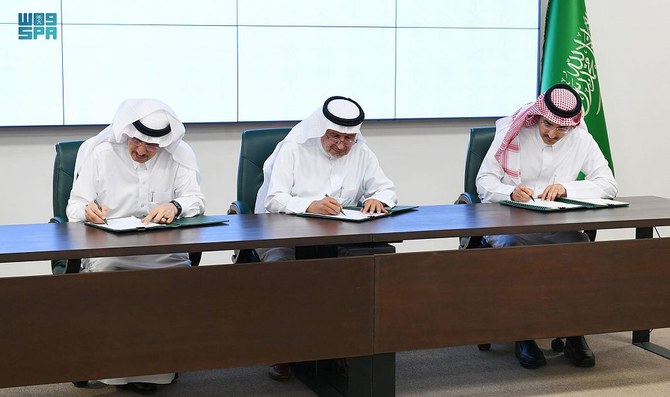
Officials from the SFD and KSrelief handed over the donation during a signing ceremony held at the center’s headquarters in Riyadh.
The Afghan fund was established by the 57-nation OIC and the IsDB in March.
Al-Jetaily said: “The amount will go directly to the AHTF because there is an urgent need for humanitarian intervention right now in Afghanistan, so it should be an immediate deposit which should reflect in the efforts supporting humanitarian works in Afghanistan.
“There will be a quick action from the OIC so that we can see an impact and results as we know that the situation is deteriorating in Afghanistan. The humanitarian needs overview actually is very critical right now; there is an increase in poverty and people under the poverty line.
“The grant is one of the support efforts provided by Saudi Arabia to Afghanistan, including relief air and land bridges which were implemented to help the Afghan people.
“Afghanistan was also supported over the past decades with a number of projects, including in the humanitarian, health, education, WASH (water, sanitation, and hygiene), and food security sectors. The total cost of these projects is more than SR1 billion.
“Saudi Arabia’s support means peace and stability in all regions, in all the states, and one of them is Afghanistan. The grant comes as part of the Kingdom’s mission to alleviate the suffering of the Afghan people,” he added.
The fund was established with the aim of reducing the risks of deterioration of the critical humanitarian situation and possible economic collapse in Afghanistan, both of which could affect regional and international peace and stability.
Abdullah Al-Rabeeah, adviser at the Royal Court and general supervisor of KSrelief, was among officials from the involved organizations present at the signing.
Saudi Arabia has provided Afghanistan with aid worth more than $266 million, through donations and relief programs, including projects focused on health, education, and water and food security.


![]()

Saudi Arabia provides $30m grant to support Afghan humanitarian fund
Short Url
https://arab.news/w953g
Saudi Arabia provides $30m grant to support Afghan humanitarian fund
- KSrelief’s director of resources and investment said the money would be used toward “urgent” humanitarian work in Afghanistan
- The Afghan fund was established by the 57-nation OIC and the IsDB in March


Latest updates


Recommended


© 2026 SAUDI RESEARCH & PUBLISHING COMPANY, All Rights Reserved And subject to Terms of Use Agreement.