
MUSCAT: Oman and Iran signed deals to develop two gas pipelines and an oil field along their maritime border, Oman’s energy minister said Saturday, less than two weeks after Iran’s president visited the sultanate.
The visit by Iranian President Ebrahim Raisi on May 23 came amid stalled international talks to revive a deal on Tehran’s nuclear program, leaving the Islamic republic under sanctions.
At the time, the official Oman News Agency reported that the countries had signed memoranda of understanding concerning oil and gas, but did not provide details.
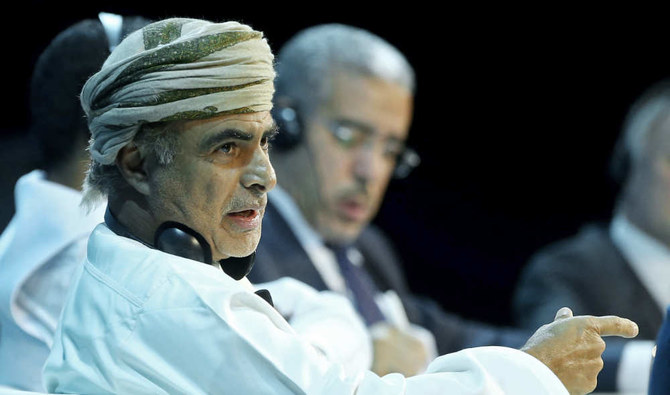
On Saturday, the agency quoted Energy Minister Mohammed Al-Rumhi as saying the agreements were “related to the development of the two gas pipeline projects linking the two countries and the Hengam oil field.”
A deal was reached about two decades ago to allow Iran to supply Oman with gas, but the project never materialized.
SPEEDREAD
Oman has close political and economic ties with Iran and played a mediating role between Tehran and Washington in the buildup to the original nuclear deal in 2015.
Sanctions on Iran complicated efforts to execute that project, and could also make it difficult to implement the new deal.
The Hengam oil field is located in the strategic Strait of Hormuz near the United Arab Emirates.
Oman has close political and economic ties with Iran and played a mediating role between Tehran and Washington in the buildup to the original nuclear deal in 2015.
Stop-start talks began in April last year to restore the deal, after the US unilaterally withdrew from it in 2018 and reimposed biting sanctions on Iran, prompting Tehran to roll back its commitments.
The 2015 agreement gave Iran relief from crippling economic sanctions in exchange for curbs on its nuclear activities.
The sultanate, which faces Iran across the Gulf of Oman, endured economic pain during the pandemic, with its GDP dropping 6.4 percent in 2020 and government debt soaring.
It saw rare protests over high unemployment and layoffs last year.
Raisi’s visit to Oman was his second to a Gulf country since he took office in August 2021.
He visited Qatar in February, where he met Emir Tamim bin Hamad Al-Thani and took part in a conference of gas exporting countries.