

For TRSDC, luxury tourism means preserving the Red Sea’s natural habitat

Short Url
Updated 14 June 2022
Follow

For TRSDC, luxury tourism means preserving the Red Sea’s natural habitat

RIYADH: When it comes to hospitality, The Red Sea Development Co. is pulling out all stops as it is getting ready to offer guests world-class service and unmatched luxury.

It is also leaving no stone unturned in its relentless efforts to preserve and protect the rich natural habitats and endangered species on the shores and nearby islands of the Red Sea.

To accomplish this task, TRSDC has put together an ambitious master plan and invited renowned experts in ecology, marine biology and the environment to preserve the breath-taking sceneries of the Red Sea and admire the endangered species of this region.
TRSDC’s master plan predicts a 30 percent net conservation benefit in the next two decades and leaving 75 percent of the island archipelago untouched, with nine islands designated as special conservation zones. 

In addition, the company plans to power the destination with 100 percent renewable energy 24 hours a day, 365 days a year, all of which will be generated by solar and wind. 

What’s more? It is building the largest battery storage facility globally to guarantee supply at night.

Arab News spoke to three experts to get a perspective on the company’s initiatives to safeguard the Red Sea’s flora and fauna.

Lamya AlOtai, environmental impact assessment specialist, TRSDC

Lamya AlOtai revealed that her group had spotted more than 100 bird species at the monitoring site.

Some of the most frequently spotted birds fell under the high conservation priority order of the National Biodiversity Strategy of Saudi Arabia. They included crab plovers, sooty falcons and ospreys. These species exhibit unique characteristics. 

“For instance, crab plover is a lovely shorebird with an interesting breeding habit; they dig deep burrows to safeguard their young ones. They are the only wading birds to nest this way,” she said ardently.

Her dedicated consultants have identified over 1,700 crab plovers across 15 islands. These crab clovers mostly rely on crabs and the mangrove habitats in the vicinity.

“The Red Sea coast is also home to sooty falcons. They are known to live in hot arid environments, mountain cliffs, small rocky islands, and they are susceptible to disturbance.” 
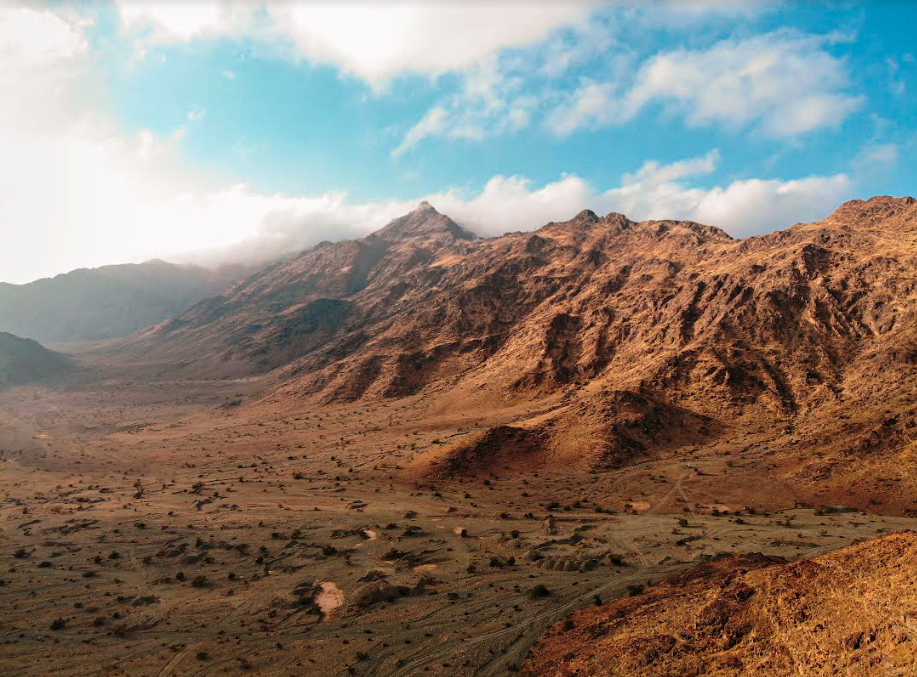


TRSDC palns to leave 75 percent of the island archipelago untouched (Supplied)

Saud Almutairi, environmental planning and appraisal specialist, TRSDC

Saud Almutairi confirmed that the company is keen to double efforts to ensure that tourists enjoy the natural surroundings of the Red Sea.

“At TRSDC, we are raising the bar for regenerative tourists. We are committed to delivering a tourist destination while conserving the environment and biodiversity,” said Almutairi.

“We are utilizing the best available science and technology to study birdlife and its relationship with other environmental components,” he added.

Almutairi noticed, for instance, that the falcons tend to breed in a hot arid environment on rocky islands in the small cavities facing the sea.

“So, it gets its natural isolation from any anthropogenic activity. Therefore, we conduct several surveys to ensure that we develop certain buffer zones to protect them.”

The company has also conducted several surveys to develop specific buffer zones to mitigate and manage environmental risks.

“We have set aside certain islands and areas as conservation zones to keep our main natural assets in this area.”

Noura Islam, assistant environmental management and assessment manager, TRSDC

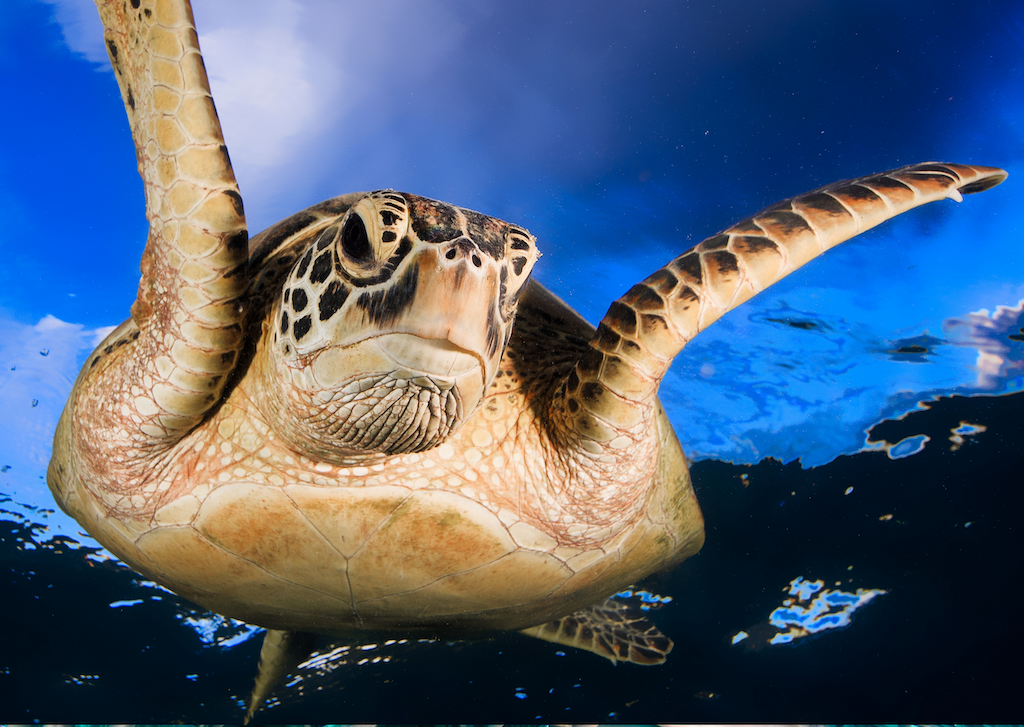
Noura Islam has constantly kept an eye on some endangered species in the region, especially the marine turtles.

“These species play an essential role in balancing the biodiversity of the area. They’re also known to provide nutrients to sandy beaches, and these beaches are vital for their nesting practices. At TRSDC, we are actively working toward the protection of these species. By setting aside the islands, these islands will stay pristine.”

She added: “Marine turtles are the most valuable marine species in our project. We have two species, green turtles and hawksbill turtles.”

The company has been working with local entities to protect the species.

“For example, local entities rescued two turtles on our site and sent them to an aquarium to provide them with the necessary treatment. And once they regained their health, they were released back into the sea. And this is one of our success stories of how we protect the turtles on our site.” 


PIF-backed EV maker Lucid hits 16k 2025 deliveries, sets sights on robotaxi deployment

Updated 8 sec ago
Follow

PIF-backed EV maker Lucid hits 16k 2025 deliveries, sets sights on robotaxi deployment

RIYADH: Electric vehicle manufacturer Lucid Group, majority-owned by Saudi Arabia’s Public Investment Fund, announced a surge in deliveries in 2025 with volumes reaching 15,841 units, a 55 percent increase year-on-year.

According to a statement, the EV maker also provided an optimistic production outlook for 2026, signaling confidence in its operational turnaround and strategic shift toward autonomy.

In September 2023, the group opened its first-ever international car manufacturing facility in the Kingdom. The hub serves as the company’s second Advanced Manufacturing Plant and its first outside of the US.

According to the earnings report, the company delivered 5,345 vehicles in the fourth quarter of 2025, up 72 percent from the same period in the previous year, marking its eighth consecutive quarter of record deliveries.

Interim CEO Marc Winterhoff said that 2025 “was all about execution and strategy adjustment to set Lucid up for long-term success. Against a challenging macro backdrop, we nearly doubled production, gained market share, reduced unit costs, and strengthened our financial position.”

This commercial momentum translated directly into financial gains. Lucid’s fourth-quarter revenue soared 123 percent to $522.7 million, while full-year 2025 earnings climbed 68 percent to $1.35 billion. The company ended the quarter with a robust liquidity position of approximately $4.6 billion.

A key driver of the improved performance was the ramp-up of production, including the launch of the Lucid Gravity SUV. Despite facing supply chain and tariff headwinds, Lucid nearly doubled its total production for the year.

The company clarified its final production figures for 2025, reporting a total of 17,840 vehicles. This aligns with its previous guidance of approximately 18,000 units.

Lucid explained that a preliminary estimate of 18,378 units, announced in early January, was revised after 538 vehicles were found not to have completed the final internal validation procedures required to be classified as “produced.”

These vehicles are expected to be finalized in 2026, and the company stressed the revision does not impact previously reported financial results.

The manufacturer expects to produce between 25,000 and 27,000 vehicles in 2026, representing growth of up to 51 percent compared with 2025.

Chief Financial Officer Taoufiq Boussaid said: “Q4 marked a clear step-change in production and unit economics. The progress we made is structural, creating a more repeatable and stable operating cadence heading into 2026.”

Beyond the production numbers, Lucid outlined a pivot toward software and autonomy. Winterhoff highlighted the company’s ambition to become an “early mover in the emerging robotaxi market” by leveraging its industry-leading EV technology and strategic partnerships.

To fund these future growth platforms while maintaining financial discipline, the company is making targeted adjustments to its workforce.

“As we prepare for the next stage of our product and volume expansion, we are making targeted adjustments to our US-based, non-manufacturing workforce to reallocate resources to support the next stage of our growth and margin progression,” Boussaid added.

He reiterated the company’s commitment to “financial rigor, operational efficiency, and thoughtful capital allocation.”

In January 2025, the EV maker became the first global automotive company to join the Kingdom’s “Made in Saudi” program, granting it the right to use the “Saudi Made” label on its products, symbolizing the nation’s focus on quality and innovation.

Lucid’s facility, located in King Abdullah Economic City, can currently assemble 5,000 vehicles annually during its first phase. Once fully operational, the complete manufacturing plant, including the assembly line, is expected to produce up to 155,000 electric cars per year. 

This comes as the Kingdom is promoting the adoption of electric vehicles as part of its Vision 2030 strategy, which aims to achieve net-zero carbon emissions by 2060.
A critical target of the initiative is for 30 percent of all vehicles in Riyadh to be electric by 2030, contributing to a broader goal of reducing emissions in the capital by 50 percent.