


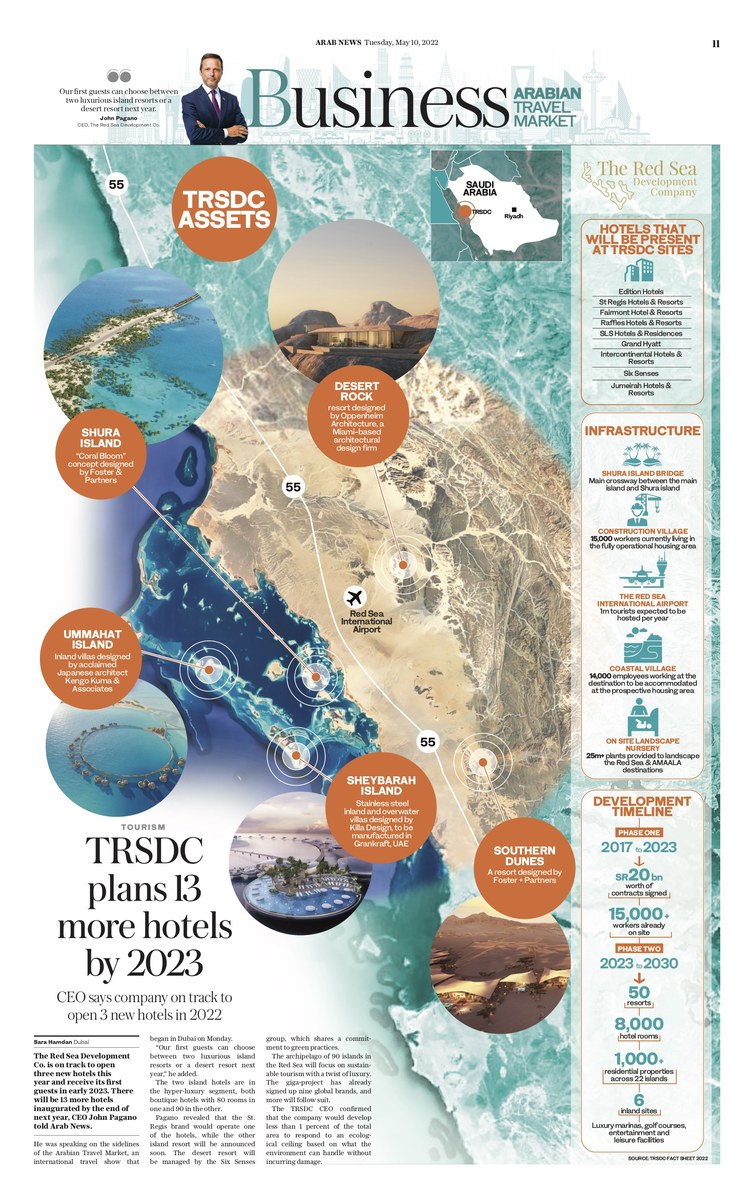
DUBAI: The Red Sea Development Co. is on a bigger mission now after it added AMAALA to its portfolio with the two projects expected to contribute around SR33 billion ($8.8 billion) to the Saudi economy in five years.
TRSDC is on track to open three new hotels this year and receive its first guests in early 2023. There will be 13 more hotels inaugurated by the end of next year.
What’s more? The archipelago of 90 islands in the Red Sea, which houses the fourth largest barrier reef globally, will focus on sustainable tourism with a twist of luxury. The giga-project has already signed up nine global brands, and more will follow suit.
What’s interesting about what we’re doing is that it’s not a built-up urban area; it’s a part of Saudi that is untouched.
John Pagano
“What’s interesting about what we’re doing is that it’s not a built-up urban area; it’s a part of Saudi that is untouched,” said John Pagano, CEO of TSDRC and AMAALA, in an interview with Arab News at sidelines of the Arabian Travel Market, the international travel trade show in Dubai.
“Our first guests can choose between two luxurious island resorts or a desert resort next year,” he added.
The two island hotels are in the hyper-luxury segment, both boutique hotels with 80 rooms in one and 90 in the other.
Positioned like high-end Maldives offerings, they will be highly serviced and attract discerning luxury travelers.
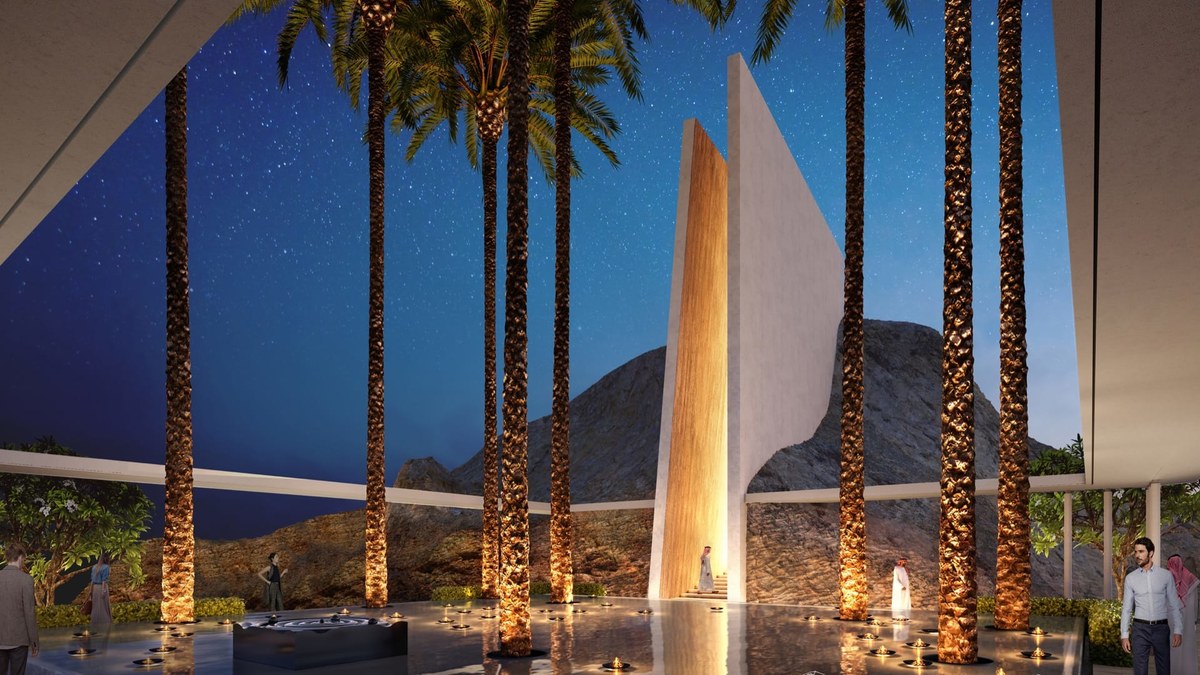
Pagano revealed that the St. Regis brand would operate one of the hotels, while the other island resort will be announced soon. The desert resort will be managed by the Six Senses group, which shares a commitment to green practices.
High sustainability standards
Sustainability is a crucial offering for TSRDC, both in terms of catering to consumer demand and as a differentiator in a crowded regional tourism market.
The Red Sea covers an area the size of a country like Belgium; however, Pagano confirmed that the company would only develop less than one percent of that to respond to an ecological ceiling based on what the environment can handle without incurring damage.
“Rather than overdevelop simply because we can, we actively monitor the environment using artificial intelligence and data to watch out for warning signs if something we are doing is not going according to plan,” he said. “We do not want to cause any lasting damage.”
Sustainable travel is in demand now, with 81 percent of 30,000 travelers in a Booking.com survey released this year saying that sustainable travel is essential to them. Fifty-nine percent of travelers wanted to leave the places they visited better than when they arrived.
“Luxury doesn’t mean what it used to. We have moved away from luxury being ostentatious: It’s about experiences and the traveler today wants more sustainable experiences,” said Pagano. “So we give people a choice to go to a destination that puts nature first. We aim to be the biggest tourist destination in the world powered 100 percent by renewable energy.”
Even the company’s financing efforts were green; last year, The Red Sea Development Company secured an SR14.120 billion green loan, marking the first-ever Riyal-denominated Green Finance credit facility.
“We are fully capitalized at the moment for phase one of the development and have a good track record in the market if we need to raise more for other projects, including AMAALA,” said Pagano.
Sea change in development
Merged under the TRSDC brand, AMAALA is a megaproject along the Red Sea coastline that is now managed under the Red Sea Development umbrella. The project plans to award $319.9 million in contracts in the second quarter of this year to create a new wellness-focused tourism destination. There are currently eight hotels under construction for AMAALA, aiming for completion by the end of 2024.
A new international airport is being built to cater to expected rising demand in the Red Sea area. Designed by award-winning, sustainability-focused architecture firm Forest + Partners, the airport will have a 3.7-kilometer runway and can handle up to one million passengers per year.
“The air site is virtually complete now,” said Pagano. “We will have a temporary terminal at the beginning of next year. We will also have operational seaplanes for our first guests on the island resorts.”
Working closely with the Ministry of Tourism, Pagano said TRSDC is part of a dozen similar projects planned along the Red Sea coastline. This will have a positive trickle-down effect on the economy; The two current projects, TRSDC and AMAALA alone, will generate 120,000 new jobs and contribute SR33 billion to GDP within the next five years, according to Pagano.
Though tied together by a commitment to sustainability, each development is distinct. For example, Sheybarah Island, the furthest from the mainland in the south of the Red Sea, is currently under construction with futuristic, shiny stainless-steel pod-like villas manufactured in the United Arab Emirates. The island resort will open at the end of 2023.
“We are privileged to build sensitively around nature,” said Pagano. “Sustainability will set us apart.”


