COLOMBO: Streets were calm on Tuesday in the Sri Lankan commercial capital of Colombo, after a day of clashes that killed seven people and injured more than 200, police said, in violence that prompted Prime Minister Mahinda Rajapaksa to resign.
As the Indian Ocean nation battles its worst economic crisis in history, thousands of protesters defied curfew to attack government figures, setting ablaze homes, shops and businesses belonging to ruling party lawmakers and provincial politicians.
“The situation is calmer now, though there are still reports of sporadic unrest,” said police spokesman Nihal Thalduwa.
About 200 people were injured in addition to the seven killed as violence flared nationwide, prompting an islandwide curfew until 7:00 a.m. (0130 GMT) on Wednesday.
No arrests have yet been made in the incidents of violence, the spokesman said, attributing three of the deaths to gunshot injuries.
The attacks on government figures came in apparent reprisal for an incident just hours before Rajapaksa’s resignation.
On Monday, Rajapaksa spoke to hundreds of supporters gathered at his official residence following reports that he was considering stepping down.
After his remarks, many of them, armed with iron bars, stormed a camp of those protesting against the government, beating them and setting fire to their tents.
Police fired water cannon and tear gas to disperse the skirmishers, after having initially done little to hold back the government supporters, according to Reuters witnesses.
Thousands streamed into the streets in celebration after Rajapaksa’s resignation, but the mood quickly became tense.
Protesters attempted to tear down the gates of Temple Trees, his residence in the center of Colombo, where broken glass and discarded footwear littered the surrounding streets on Tuesday, after some of the night’s worst clashes.
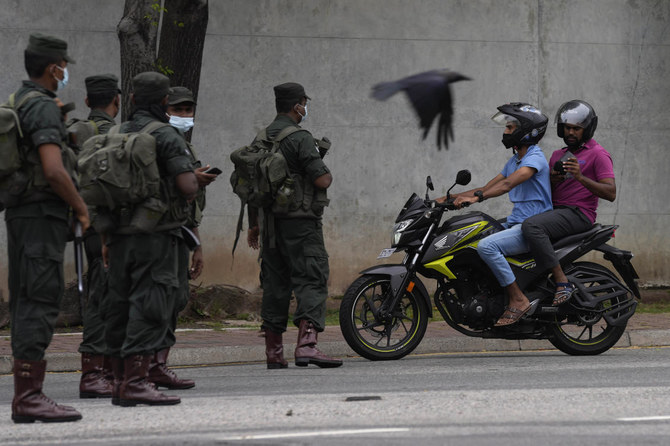
Military troops patrolled the area, where eight torched vehicles lay partially submerged in a lake. Discarded files and smashed equipment littered the ransacked offices of government officials.
Sri Lanka’s unprecedented economic crisis follows a pandemic that hit key tourism earnings, leaving it grappling with rising oil prices and tax cuts by the government of President Gotabaya Rajapaksa, the prime minister’s younger brother.
Following a currency devaluation, it has turned to multilateral lenders such as the World Bank and the International Monetary Fund for assistance.
Former finance minister Ali Sabry, who resigned on Monday, along with the rest of Rajapaksa’s cabinet, has said useable foreign reserves stand at as little as $50 million.
Shortages of fuel, food and medicine have brought thousands onto the streets in more than a month of protests that had been mostly peaceful until this week.


![]()

Sri Lanka’s Colombo calm after clashes that killed seven
Short Url
https://arab.news/5rf2q
Sri Lanka’s Colombo calm after clashes that killed seven
- Indian Ocean nation battles its worst economic crisis in history
- Sri Lanka’s unprecedented economic crisis follows a pandemic that hit key tourism earnings


Latest updates


© 2026 SAUDI RESEARCH & PUBLISHING COMPANY, All Rights Reserved And subject to Terms of Use Agreement.