

UK to regulate streaming services in line with traditional TV broadcasters

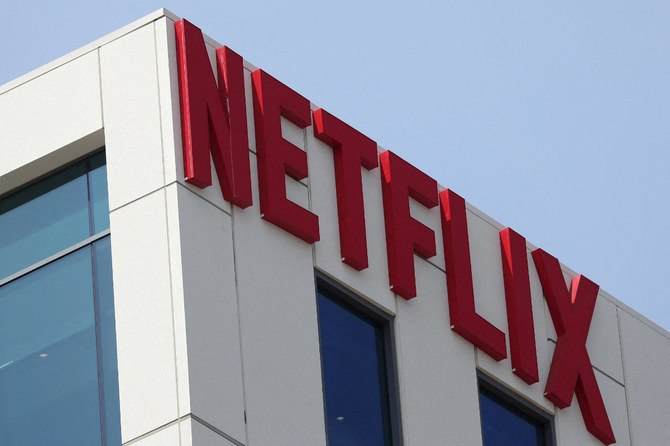
Streaming services such as Netflix are now facing regulation in the UK. (REUTERS/File Photo)
Short Url
Updated 28 April 2022
Follow

UK to regulate streaming services in line with traditional TV broadcasters

  • Netflix, Amazon Prime Video and other platforms will be regulated by British media watchdog Ofcom, just as as traditional broadcasters already are
  • Any video-on-demand provider that breaks the rules will face a maximum fine of $310,000 or up to 5 percent of revenue, whichever is higher

DUBAI: Streaming services in the UK are to be regulated by the country’s Office of Communications, known as Ofcom, in line with existing rules governing traditional media outlets.

In a government white paper on the matter, Nadine Dorries, the secretary of state for digital, culture, media and sport, said that “changes in technology, viewing habits and the entrance of global players have introduced new challenges for British broadcasters.”

The government needs to take action “to support British broadcasters” and “ensure public-service broadcasters remain at the heart of our plans,” she added.

The white paper details the proposed reforms, which include efforts to ensure that all “TV-like content, no matter how audiences choose to watch it, is subject to similar standards.” This suggests that video-on-demand services will be obliged to adhere to standards equivalent to those that traditional broadcasters must abide by.

The move aims to regulate “TV-like video-on-demand providers” such as Netflix, Disney+, and Amazon Prime Video, among others, “who target and profit from UK audiences under Ofcom jurisdiction.”

Traditional TV channels are required to abide by Ofcom’s broadcasting code but, until now, VOD services have been unregulated. Under the proposed changes, Ofcom will gain the power to draft and enforce a new video-on-demand code. The maximum fine for services that break the rules will be £250,000 ($310,000) or up to 5 percent of revenue, whichever is higher.

The announcement comes at a critical time for British broadcasters, who increasingly have been competing with streaming services, especially since the start of the COVID-19 pandemic. The number of subscriptions to streaming platforms shot up by 50 percent in the UK to more than 30 million during the health crisis, according to an Ofcom report. This helped Netflix overtake pay TV providers in terms of subscribers for the first time last year. Meanwhile, broadcast TV’s share of total viewing dropped from 67 percent in 2019 to 61 percent in 2020.

In response to the white paper, Netflix said: “As we’ve previously said, we are supportive of measures to update the legal framework and bring our service in the UK under Ofcom’s jurisdiction.

“We look forward to reviewing the White Paper’s other proposals and continuing to engage with the government on their plans.”


Musk’s AI bot Grok limits image generation on X to paid users after backlash

Updated 09 January 2026
Follow

Musk’s AI bot Grok limits image generation on X to paid users after backlash

  • AI tool was used to create sexualized images, sparking widespread criticisms
  • The standalone Grok app, which operates separately from X, still allows users ⁠to generate images without a subscription

LONDON: Elon Musk’s startup xAI has restricted the image generation function on its Grok chatbot on social media platform X to paid subscribers, after the tool’s ​use of AI to create sexualized images sparked a widespread backlash.
The chatbot’s image generation had allowed users on X to edit or create sexualized photos, which Reuters found was used to generate images of women and children in minimal clothing, often without the consent of the individuals depicted.
A torrent of semi-nude ‌images on X ‌led to European lawmakers urging legal ‌action, ⁠with ​German ‌media minister Wolfram Weimer describing them as the “industrialization of sexual harassment” and the European Commission calling them illegal.
Grok told X users on Friday that image generation and editing features were now available only to paying subscribers.
The standalone Grok app, which operates separately from X, still allows users ⁠to generate images without a subscription.
A Reuters reporter asked Grok ‌on X to convert a picture ‍of himself into one wearing ‍a bikini, echoing what has become a common request ‍over the last week by users. The bot did not do so and posted in reply that the tool was only available to paying subscribers of the social media ​platform.
In what seemed to be an automated response, xAI replied to an emailed Reuters request ⁠for comment by saying “Legacy Media Lies.” X did not immediately respond to a request for comment.
The European Commission said on Monday such images circulating on X were unlawful and appalling, while Britain’s data regulator said it had asked the platform to explain how it was complying with data protection laws following concerns that Grok was generating sexually abusive images of women.
Musk said last week that anyone using Grok to create illegal content would face ‌the same consequences as uploading such material directly.