



RIYADH: Saudi Arabia is soon planning to launch its first national strategy for protecting intellectual property, a top government official said.
“The move is part of the Kingdom’s plan to promote knowledge-based economic activities as it diversifies its income streams away toward non-oil sectors under the grand scheme of Vision 2030,” Sami Al-Sodais, deputy chief executive of IP policy and collaboration at Saudi Authority for Intellectual Property, told Arab News in an exclusive interview.
He further said that the Kingdom is experiencing a boom in trademarks and patent requests, mainly as many young Saudi entrepreneurs seek to create their businesses.
Opinion
This section contains relevant reference points, placed in (Opinion field)
Rising intellectual prowess
According to SAIP, the number of submitted patent applications rose by 11 percent in 2021 compared to the previous year, and trademark registrations increased by 26 percent during the same period.
Additionally, the applications for the registrations of industrial models grew by 48 percent and optional registration of copyright works surged by 57 percent between 2020 and 2021.
In fact, SAIP is stirring the IP landscape by introducing reforms that will scale its patent applications rankings. The Kingdom presently ranks seventh among the countries in the G20.
“We intend to decrease the average patent registration time from 24-36 months to a year,” said Al-Sodais. The move will bolster the present IP regime and encourage young innovators to incubate their ideas in the Kingdom.
Also, as part of its reforms, SAIP enrolled a panel of 47 judges in a program on all aspects of intellectual property rights to aid them in understanding the patent process in its entirety and facilitating IP protection in the region.
“Protecting IP Respect is one of the strategic pillars of SAIP. We aim to achieve by enhancing IP enforcement ecosystem, promoting awareness on IP Respect and raising compliance,” said SAIP’s Al-Sodais.
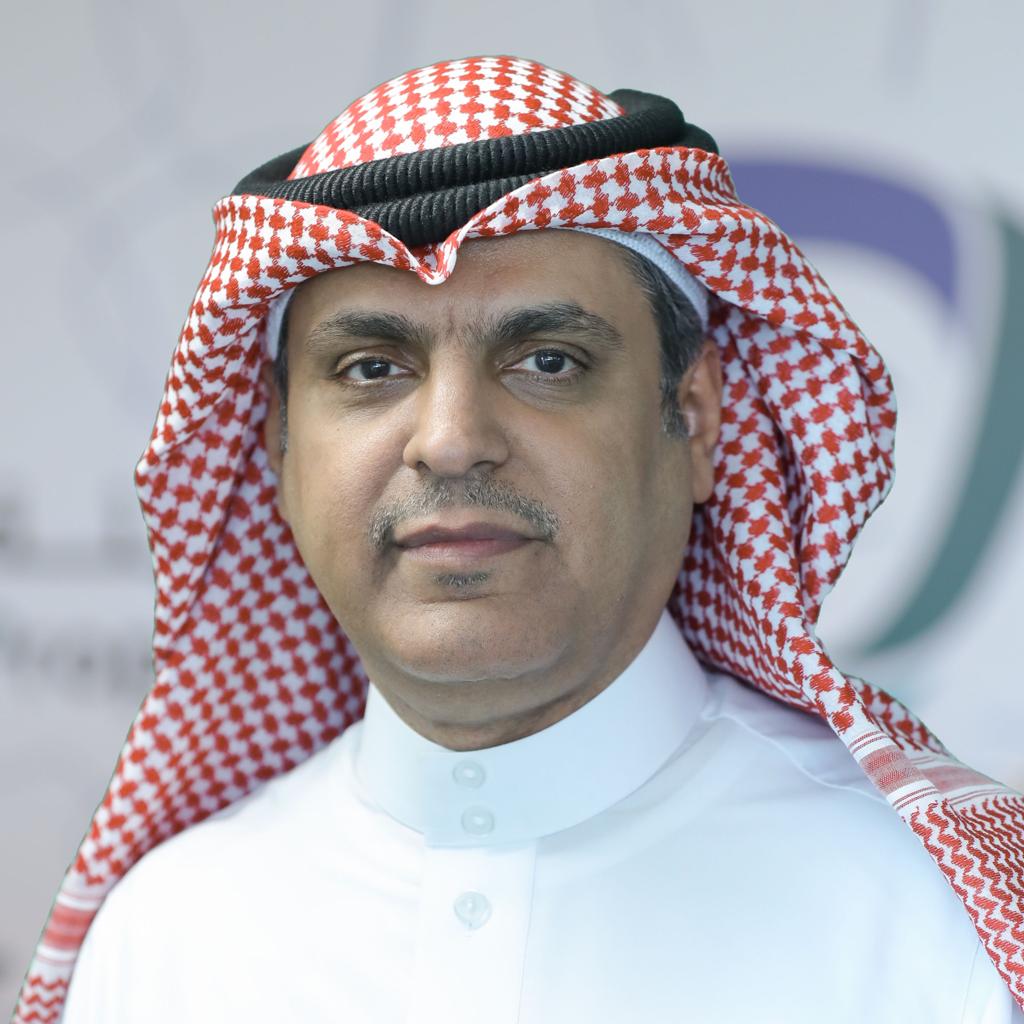
Sami Al-Sodais
No room for failure
The IP authority is also establishing a robust methodology to gather locations of possible illegal practices in every business sector. The study will determine the sectors harboring the most patent violations and requiring periodic inspections.
“SAIP periodically does field inspection campaigns and visits across the Kingdom to look for violations. We also conduct online inspections and temporarily block websites infringing on original content,” added Al-Sodais.
As part of its compliance programs, the IP Authority has established the Permanent IP Enforcement Committee, a governing body to improve the enforcement ecosystem and enhance efforts to develop procedures to coordinate between government agencies and the private sector.
“The committee is headed and supervised by SAIP and it includes over 12 representatives from other government agencies related to IP enforcement,” he added.
Driving change, differently
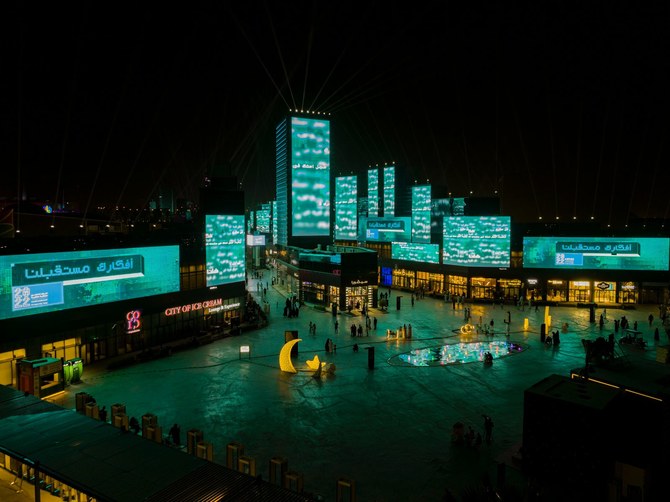
To mark the World Intellectual Property Day commemoration, the IP authority on Monday showcased the achievements and inspiring stories of IP creation in the region.
As part of its Your Ideas Our Future program, the agency organized an awareness campaign to celebrate innovation and maximize the impact of the government’s initiatives across a broader cross-section of budding innovators.
“The authority is happy to provide its services to support innovators through our intellectual property consulting clinics that aim to build a continuous communications channel with the innovators,” SAIP CEO Abdulaziz Al-Suwailem said in a statement.
These clinics have benefited more than 1,200 persons so far. In addition, over 8,500 people have benefited from its Intellectual Property Academy, which offers a specialist certificate program for the stakeholders of the IP business.
The IP authority has also launched the National Network of Intellectual Property Support Centers in cooperation with the World Intellectual Property Organization to nurture innovators with technical information and know-how to IP assets. The network now has 43 members from various sectors.


keywords


