



MUMBAI: India’s top retailer Reliance on Saturday called off its $3.4 billion deal with Future Group, saying it “cannot be implemented” after Future’s secured creditors rejected it.
The deal was at the center of legal battles since 2020 after Future’s partner Amazon.com Inc. legally blocked it, citing violation of certain contracts. Future denied any wrongdoing.
In a stock exchange filing on Saturday, Reliance said the deal now cannot go through as “the secured creditors of Future Retail have voted against” it.
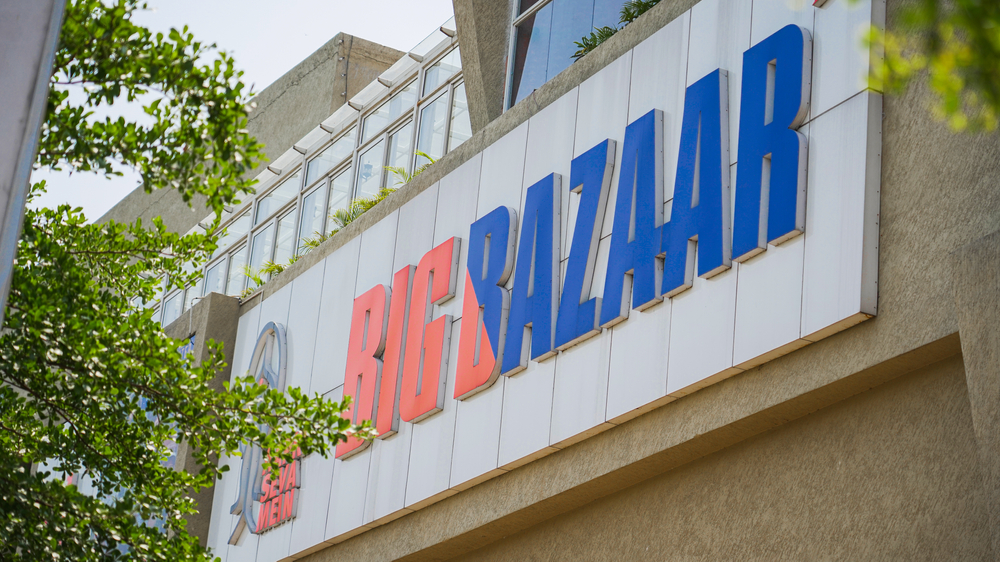
The deal was at the center of legal battles since 2020 after Future’s partner Amazon.com Inc. legally blocked it. (Shutterstock)
Future Retail and Amazon did not immediately respond to a request for comment.
Future’s secured lenders on Friday rejected the deal, and the company, once India’s second-largest retailer with more than 1,500 outlets, now faces the prospect of a bankruptcy process.
Future’s fall is “an unfortunate event,” one of the sources with direct knowledge of the dispute said on Saturday.
India to hit badly by Indonesian palm oil export ban
Indonesia’s decision to ban palm oil export is expected to hit India badly as it relies heavily on the world’s largest producer of palm oil.
The announcement will hurt consumers in India and globally, said, Atul Chaturvedi, president of trade body the Solvent Extractors Association of India.
“This move is rather unfortunate and totally unexpected,” he said.
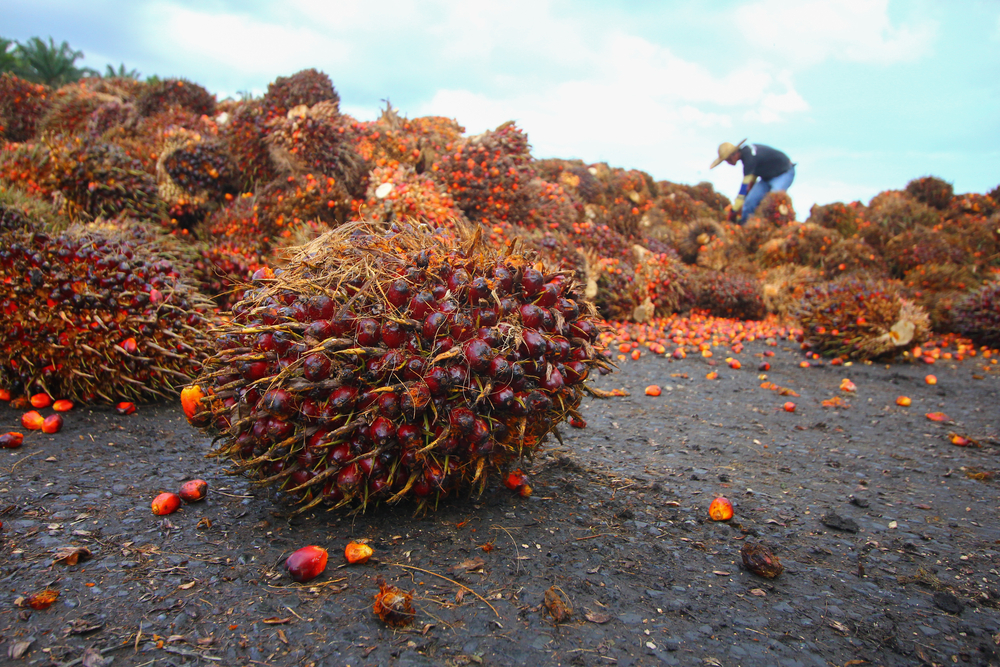
China and India are among the big importers of palm oil from Indonesia. (Shutterstock)
Indonesia’s new palm oil export ban will hurt other countries but is necessary to try to bring down the soaring domestic price of cooking oil, driven up by Russia’s war in Ukraine, Indonesia’s finance minister told Reuters on Friday.
Sri Mulyani Indrawati said that with demand exceeding supplies, the ban announced earlier on Friday is “among the harshest moves” the government could take after previous measures failed to stabilize domestic prices.
China and India are among the big importers of palm oil from Indonesia, which accounts for more than half the world’s supply. Palm oil is used in products from cooking oils to processed foods, cosmetics and biofuels.
Britain and India aim for a free trade deal
Britain and India agreed on Friday to step up defense and business cooperation during a visit to New Delhi by Boris Johnson, who said a bilateral free-trade deal could be wrapped up by October.
On his first visit to the Indian capital as UK prime minister, Johnson discussed with his Indian counterpart Narendra Modi ways to boost security ties with India, which buys more than half of its military hardware from Russia.
India’s foreign secretary, however, said Johnson did not put pressure on Modi over New Delhi’s position on Russia’s invasion of Ukraine.
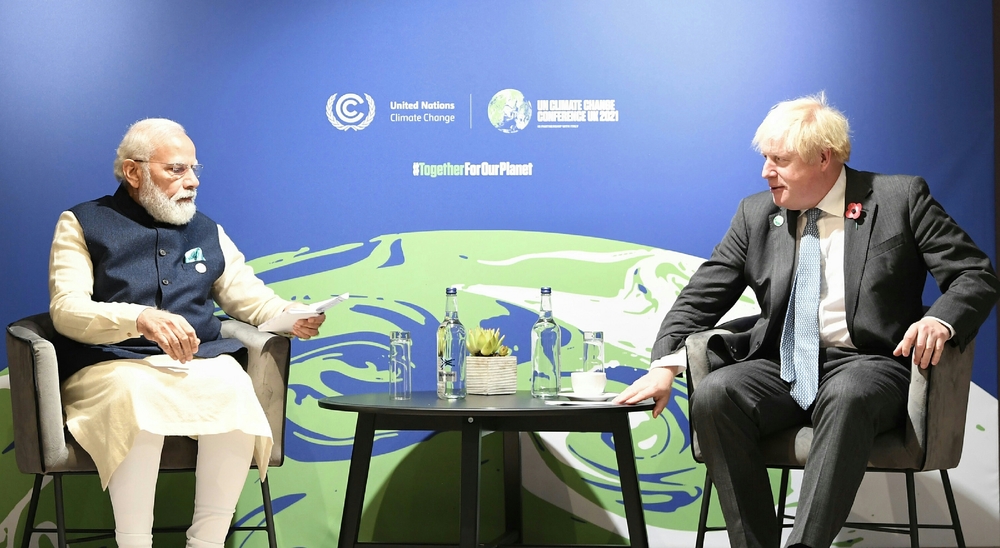
Britain and India agreed on Friday to step up defense and business cooperation. (Sutterstock/File)
“Prime Minister Johnson shared his perspective on it, Prime Minister Modi shared ours — which is that the Russia-Ukraine war should end immediately,” Harsh Vardhan Shringla told reporters. “There was no pressure of any kind.”
India abstained from a United Nations vote condemning the invasion of Ukraine and unlike Britain and other Western nations has not imposed sanctions on Moscow, which calls Russia’s actions in Ukraine a “special military operation.”
Johnson said after meeting Modi it was unlikely India would end its long-standing ties with Russia.
(With inputs from Reuters)


