



VENICE: A large 40-meter-long form that seems to writhe gently like a living being takes up the entirety of the pavilion of Saudi Arabia. The organically formed structure is covered in palm fronds painted in black and moves, ever so slightly, powered by pneumatics.
Titled “The Teaching Tree” and by Muhannad Shono, the artist selected to represent the Kingdom in Venice this year, the work is, in his words, “the embodiment of a living imagination, the resistance and resilience of the creative mind. It encompasses a journey, not only of myself, but of the resilience and irrepressible creative scene that is emerging now in Saudi Arabia.”
As the country continues to forge its voice on the international art scene, Shono has become a strong advocate for a new generation of artists from Saudi Arabia.
When beholding Shono’s work, the viewer becomes aware of rays of outside light that cast shadows on the floor, serving a role in the aesthetic and performance of the artist’s work.
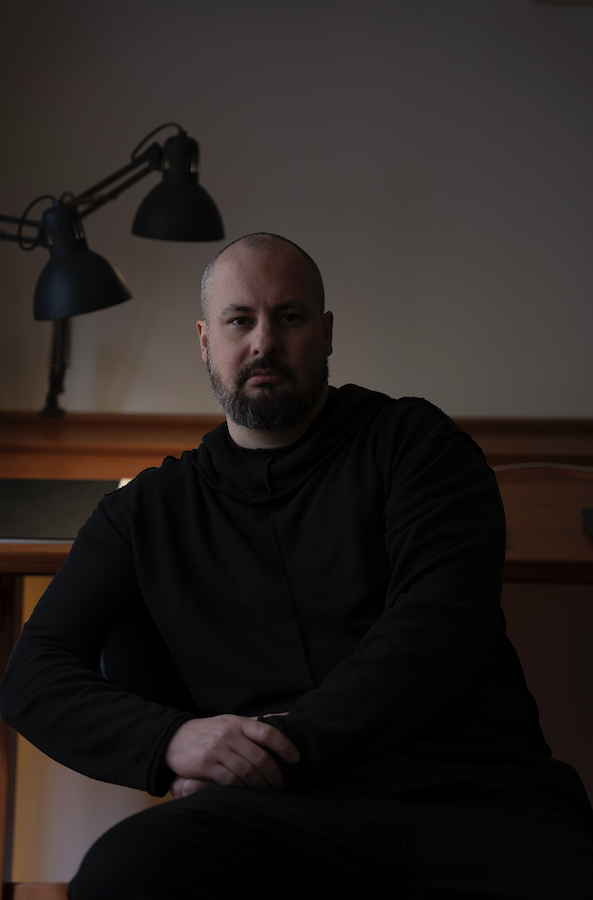
Muhannad Shono is the artist selected to represent the Kingdom in Venice this year. (Supplied)
“I wanted the work to be connected to outside light; I wanted the work to change as the natural light changed prompting how people experience it. Lighting became very crucial in the end and shadows that were made became very important in how they wanted to manifest,” Shono told Arab News.
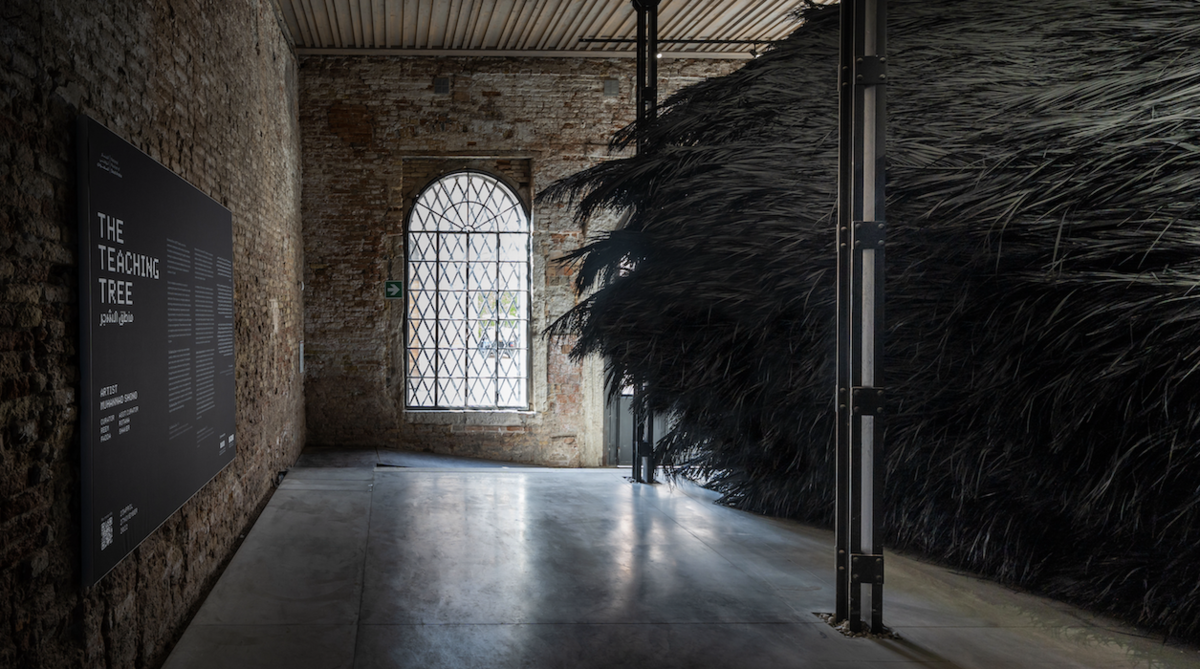
Muhannad Shono, “The Teaching Tree,” 2022. (Supplied)
Curated by Reem Fadda, the director of the Cultural Foundation in Abu Dhabi, and assistant curator Rotana Shaker, Shono’s enigmatic form explores ideas of resilience, regeneration, nature, creation, and mythology in the natural world and in the human imagination. The work was entirely assembled by hand in Riyadh by a team of Saudi and international artists and mounted in Venice.
Fadda said: “There was a big community alongside Muhannad of artists, supporters, and creators and the curation was divided between me and Rotana. Photographers, designers, and creatives of all kinds came together and supported him in the creation and manifestation of the work.”
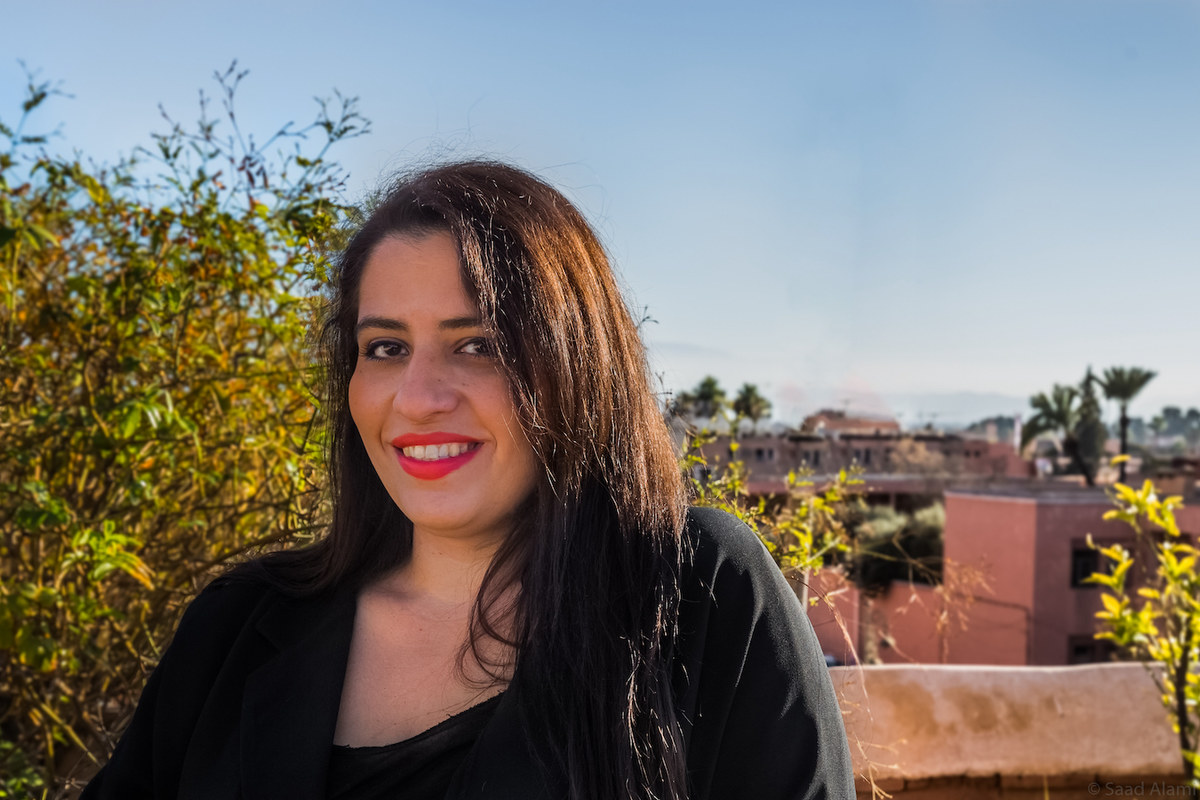
Reem Fadda is the Director of the Cultural Foundation in Abu Dhabi. (Supplied)
Underpinning the work are the concepts on which Shono has long based his art, namely the practice of questioning truths, ontologies, and basic ideas regarding human life. Of note is the artist’s investigations into the drawn line — the origin of “The Teaching Tree” and the basis for all aesthetic forms — an act of creative agency itself.
“Here we find this massive installation of a line that becomes an embodied thing, a living thing, throbbing, breathing, and coming to life as a force of absolute creative resistance and imagination.
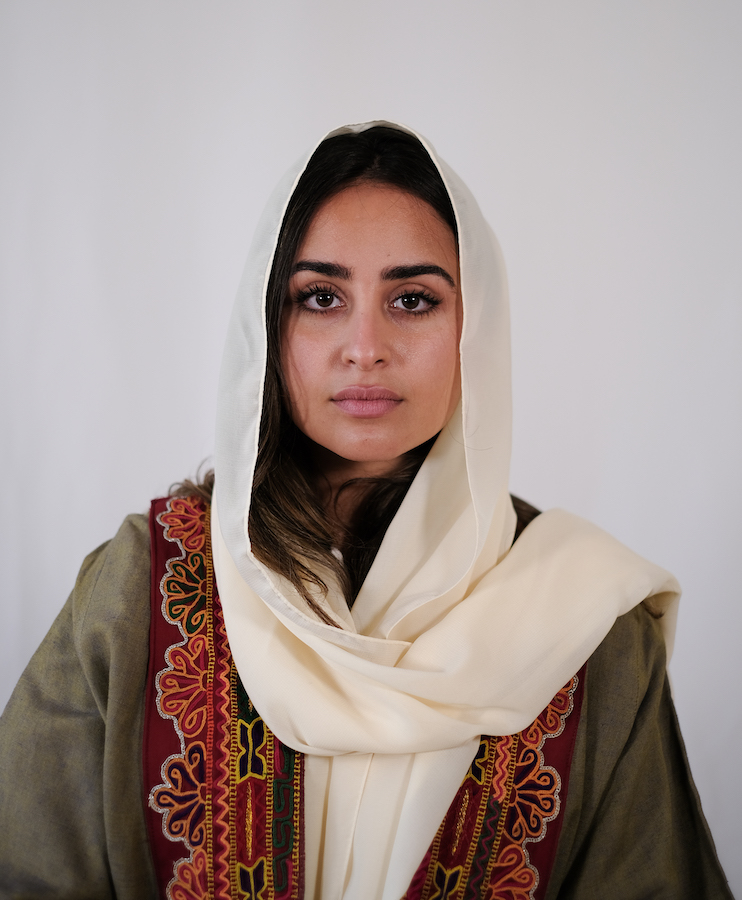
Rotana Shaker is the assistant curator. (Supplied)
“This is not an industrial thing. It is a structure and there is pneumatics that are inside. The palm fronds were hand dried, treated, and died and they are all waste palm fronds from the trimmings that were then hand inserted each and every one,” Fadda added.
The stories of Al-Khidr, the legendary Islamic figure endowed with immortal life who is described in the Qur’an as a righteous servant of God possessing great wisdom or mystic knowledge, have had a profound influence on Shono’s personal and creative life.
According to several myths, wherever Al-Khidr sat a garden would grow — symbolizing, similar to Shono’s work at the Biennale, healing, regeneration, and rebirth.
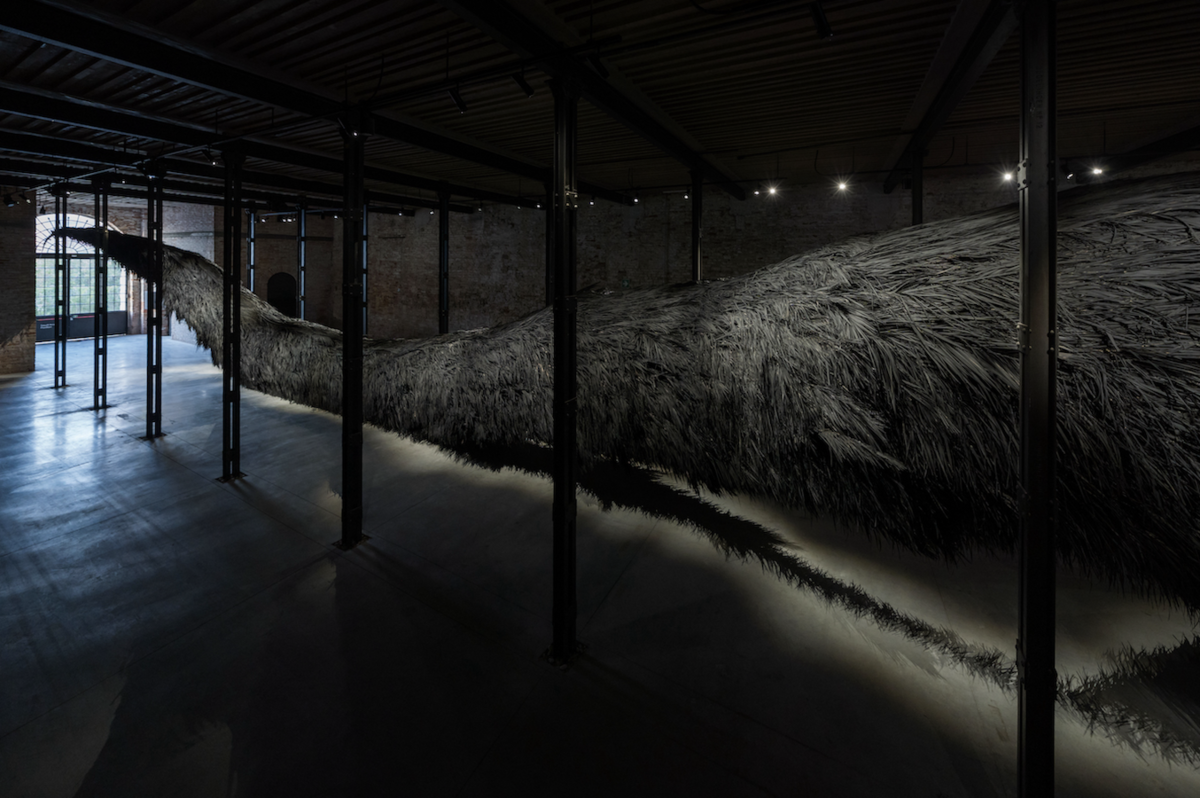
Muhannad Shono, “The Teaching Tree,” 2022, Sculptural installation with palm fronds, pigment, pneumatics and metal structure, overall dimensions variable. (Supplied)
“The Teaching Tree” thus reflects also on the idea of hope for rebirth, particularly when faced with the present warning signs of past and future ecological and human struggle.
Shono said: “The work is the embodiment of the living imagination. It is an act of creative resistance. Despite attempts to restrict human imagination, and in fact, thanks to those restrictions, more fertile ground is created for stronger expression.”
The 59th Venice Biennale runs until Nov. 27.


