




RIYADH: The Saudi National Museum, as part of its Aroma Program to give a unique and distinctive cultural experience to visitors throughout the year, launched three programs for Ramadan.
The Craft and Heritage, Ramadan Nights and Ramadan Market programs ran until April 15.
The Craft and Heritage Program included a rosary-making workshop that talked about the history and presence of the craft today.
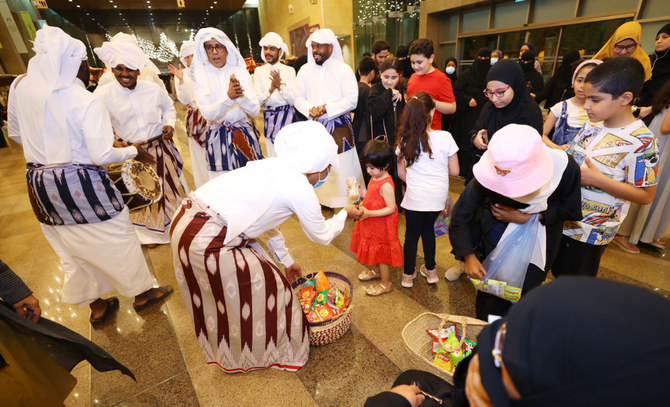
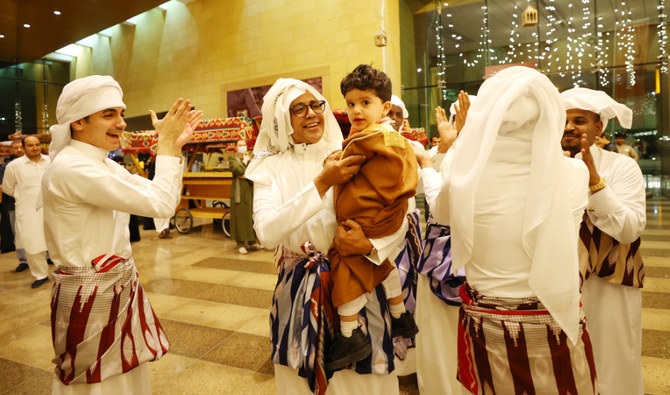
Ramadan Nights was an interactive cultural journey where visitors passed through the museum’s eight halls to learn about the history of the Kingdom. The museum also celebrated Gargee’an with a Saudi band that played drums and sang old traditional songs that the locals grew up with.
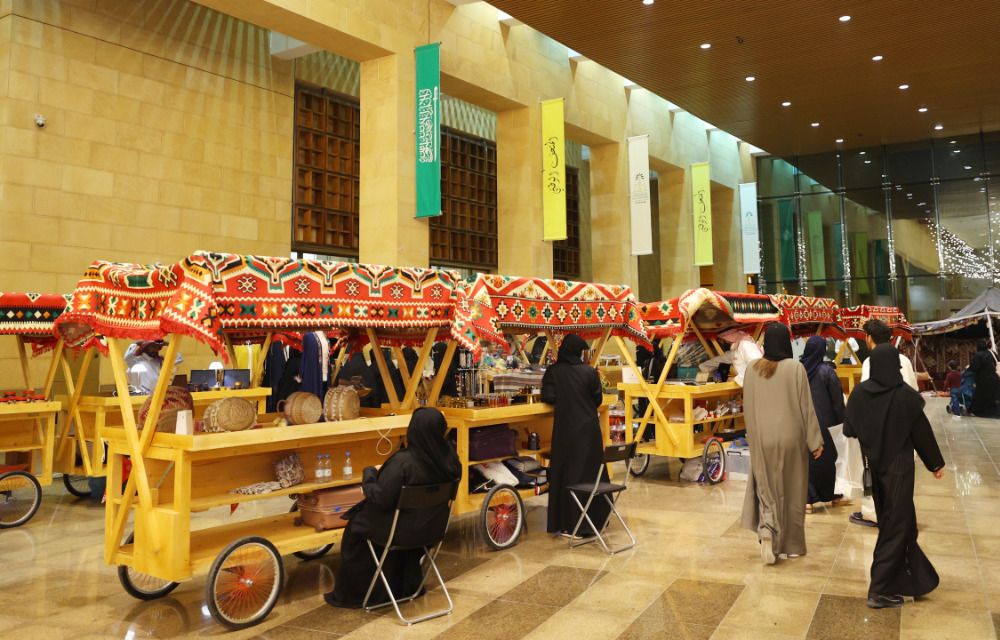
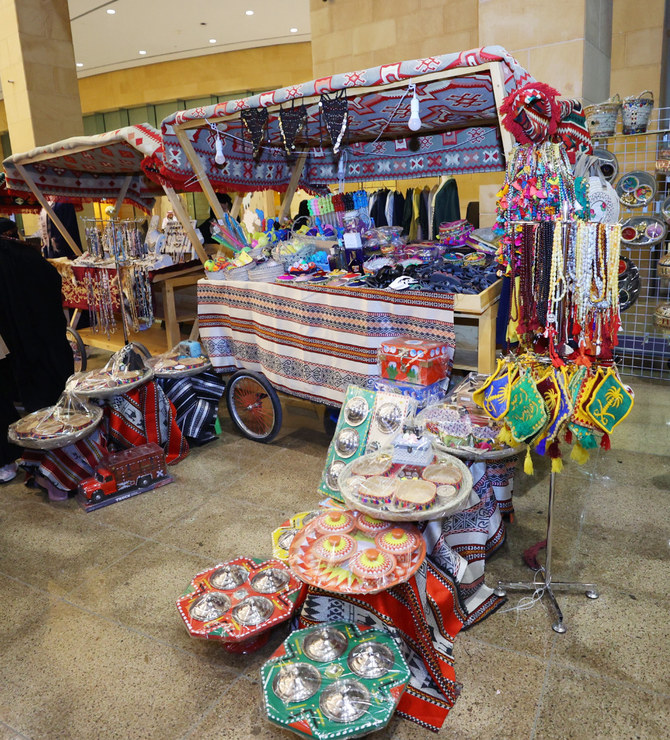
The Ramadan Market Program, in cooperation with the Social Development Bank, came to embrace products, foods, and clothing related to the month of Ramadan in order to support and contain national capabilities. (Photo by Saleh Al-Ghannam)
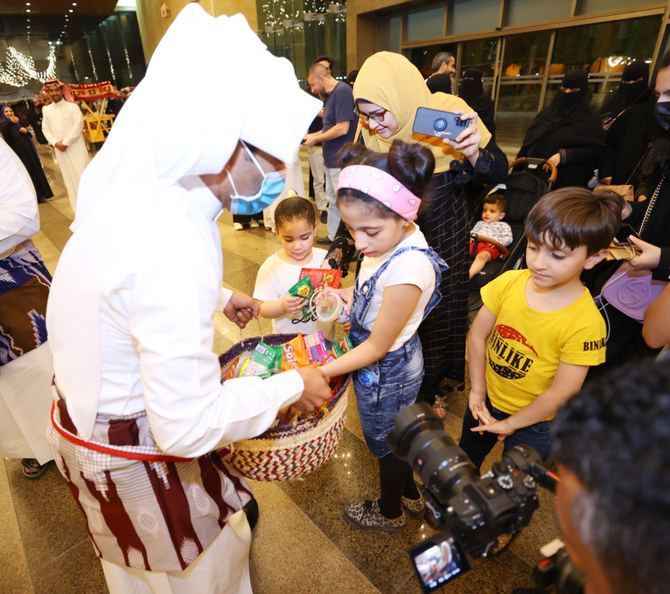
Gargee’an is a centuries-old tradition and a deep-rooted part of the culture in some Gulf countries. It is celebrated with children dressing up in traditional attire and going door-to-door singing to receive sweets and nuts from neighbors.
Faten Al-Odaili, a mother of four, expressed how grateful she was that the tradition of Gargee’an is not dead. “We always celebrate Gargee’an with our family,” Al-Odaili said. “When we learned about this festival, we rushed to purchase traditional floral outfits for our kids from old souks.
HIGHLIGHT
The Ramadan Nights was an interactive cultural journey where visitors passed through the museum’s eight halls to learn about the history of the Kingdom.
“Gargee’an is important for kids because it gets them excited to fast in Ramadan, and my kids always ask me about it because it creates a wonderful memory for them as we gather the neighborhood kids and give them candy and gifts while teaching them the songs … it’s a part of Riyadh tradition,” she said.
The Ramadan Market Program, in cooperation with the Social Development Bank, featured Ramadan-themed products, foods, and clothing to support families.
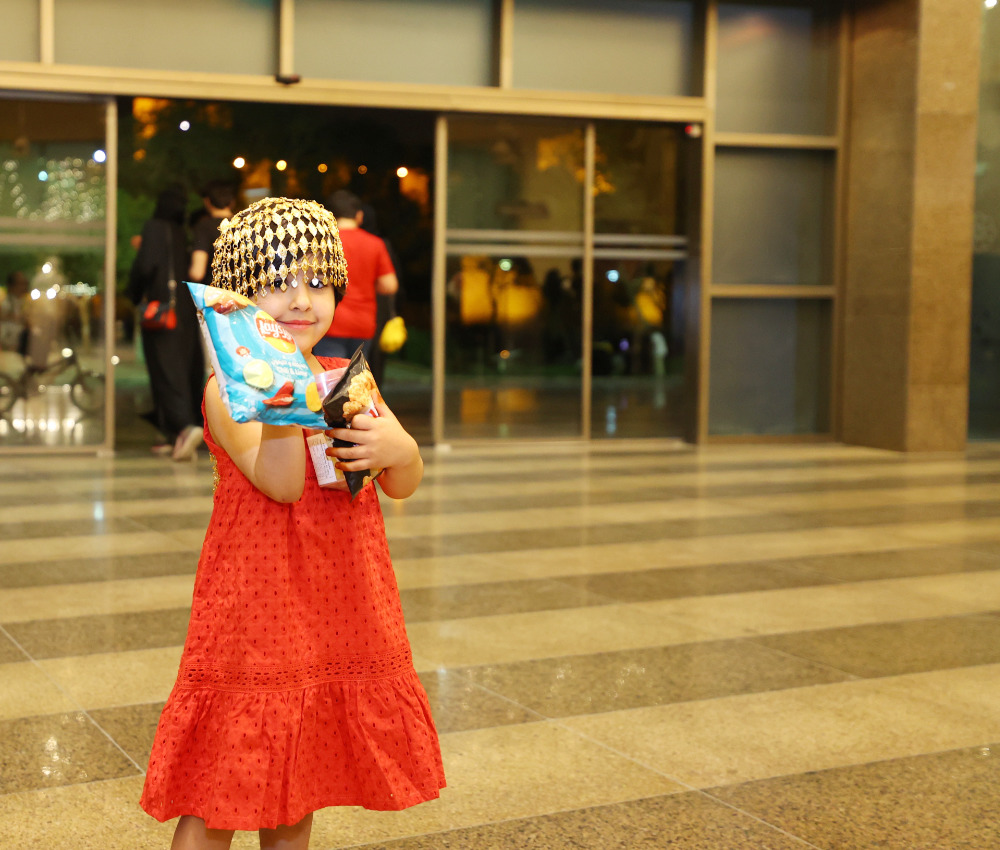
Photo by Saleh Al-Ghannam
Shoug Al-Hamlan, the owner of an events giveaways business, said that the bank contacted them to participate in the event in the museum.
“We are a business specialized in giveaways … weddings, baby showers, Gargee’an, and any event,” Al-Hamlan said.
“Gargee’an is a beautiful event that happens in the middle of Ramadan and I think it means a lot to kids because they get excited for Ramadan, and it creates fun moments in family gatherings.”
Badria Al-Attallah, the owner of Om Issam Heritage, joined the event with her handmade products such as traditional trays and other home decorations made from palm tree leaves. Al-Attallah’s designs are a mix of modern and heritage styles.
Reminicing about Gargee’an, Al-Atallah said: “In my time Gargee’an was called ‘Al-Hawama’ … that was the time where you could hear the sewing machines work as our mothers sewed the floral traditional dresses for us, and we used to walk in the ally and knock on doors to get candy and sing songs.
“It’s nice that we still have it so kids can learn about our old traditions at that time of how the sewing machines worked and how we used to put henna on our hands.”


