

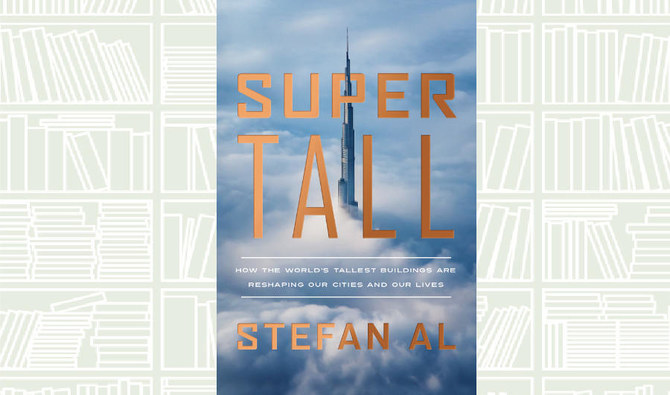

Author: Stefan Al
Cities around the world are racing to build the first mile-high building, stretching the limits of engineering and design as never before.
In this fascinating work of urban history and design, Stefan Al — himself an experienced architect — explores the factors that have led to this worldwide boom.
He reveals the marvelous and underappreciated feats of engineering that make today’s supertalls a reality, from double-decker elevators that silently move up to 50 miles per hour to the sophisticated blend of polymers and steel fibers that enables concrete to withstand 8,000 tons of pressure per square meter.
Focusing on four global cities — London, New York, Hong Kong, and Singapore — Al examines the risks of wealth inequality, carbon emissions, and contagion that stem from supertalls.
And he uncovers the latest innovations in sustainable building, from skyscrapers made of wood to tree-covered buildings, that promise to yield a better urban future. Featuring more than 30 architectural drawings, Supertall is both a fascinating exploration of our greatest accomplishments and a powerful argument for a more equitable way forward.


